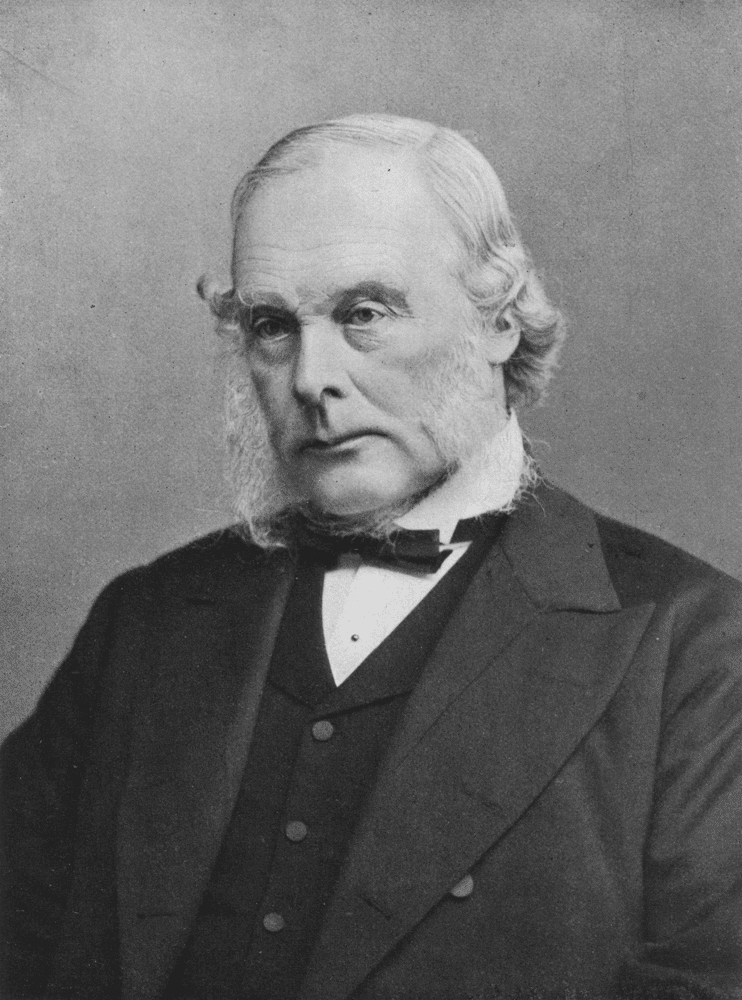

The names of many outstanding British scientists and inventors are world-known. Joseph Lister is one of them. Without any exaggeration, he made a revolutionary breakthrough in medicine. All his theories and methods were aimed at the same thing, the avoidance of unsanitary conditions. However, it became one of the main factors that helped to protect London and other European cities from terrible and merciless epidemics and the senseless deaths of their inhabitants. He invented means that reduced the number of deaths on the operating table. His inventions became extremely important at that time, and in the modern world, his surname was symbolically used for a famous mouthwash. But did everyone accept such methods favourably? How did Joseph manage to convince people that his invention is the future of medicine? Learn more at ilondon.info.
The main stages in the scientist’s life that led him to medicine
Joseph Lister was born in April 1827 and became the fourth child in the family. His father was quite an educated man. He was interested in natural science, knew several languages and made important discoveries in optics, despite the fact that his main business was the wine trade. Apparently, Joseph inherited all his love for science from his father. Having completed his study at the Medical School, the boy entered the University of London in 1844. Then he worked and gained experience as a doctor in many other cities. After that, Joseph moved to Edinburgh, where he married and began lecturing surgery at the university. He couldn’t accept patients’ deaths due to unknown causes, so he started his own scientific research.
The importance of the surgeon’s theories and the introduction of antiseptics in medicine
For several centuries in a row, London has suffered from various infectious diseases, childbirth often ended in the death of the baby or the mother and the military was most afraid not to die during the battle, but to be wounded and taken to local hospitals. Such fear was caused by terrible conditions and shocking death statistics in local medical institutions. Even the famous obstetrician James Simpson noted that people put themselves in more danger when they lie down on the operating table than when they go to fight the enemy. Before the introduction of new scientific theories, there was a general opinion about the interdependence of diseases with human body fluids. As a result, treatment usually took the form of blood transfusions or the use of leeches. For hundreds of years, doctors didn’t even know about the bacteria and microbes’ existence. In addition, almost everyone who tried to stand up against already established theories and convince people to follow basic sterility rules was challenged and subjected to persecution. Joseph Lister wasn’t a pioneer of sterility in medicine. His studies, experiments and inventions had a substantial basis. The scientist studied the works of the famous French microbiologist Louis Pasteur. However, it was Joseph who managed to convince the government and the ordinary citizens of the necessity to accept his inventions. He changed the general opinion on the disease causes and proved that the decay processes depend on the presence of microorganisms. The source of the above-mentioned information is Medicine of the World.
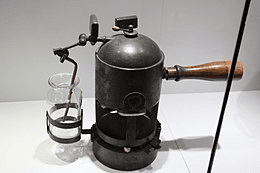
In 1867, the surgeon scientifically confirmed publicity that wound infection is provoked by a living pathogen. He provided the theoretical basis and justified the need to use special disinfectants during operations. After that, the surgical infection has become a rarity. The surgeon’s hands, instruments, the operating field and the air in the room were treated with carbolic acid before the operation. That’s how Joseph Lister managed to find a clear and scientifically profound explanation of what the obstetrician Ignaz Philipp Semmelweis had tried to introduce a few years earlier. However, back then, the latter faced only devastating criticism.