
London’s cultural landscape has constantly evolved throughout history. The city has always been renowned for its exceptional music, stunning architecture, bold artistic experiments, and the birth of new styles. One of the most fascinating and dynamic chapters in the musical history of London and the UK is the Baroque era. This period was defined by a quest for a richer sound in every instrumental part, ultimately leading to the birth of the modern orchestra. It was a time that pushed the boundaries of instrumental range and complexity, firmly establishing genres like sonatas, operas, oratorios, and cantatas. Baroque became the dominant force in Western classical music, and Henry Purcell stood out as its defining London voice. Read more on ilondon.
Early Life, Tragedy, and a Drive to Create
When Henry Purcell was born, London was a city of stark contrasts. While it boasted aristocratic elegance, lavish balls, and distinctive fashion, it was also chaotic, overcrowded, and unsanitary. Medicine was still primitive, and deadly epidemics frequently swept through the streets. Yet, even in such grim conditions, beauty found a way to thrive. Purcell was one of the visionaries who brought that beauty to life. Born into a creative family in September 1659, his passion for music blossomed early. However, his childhood was marred by tragedy. In 1664, he lost his father and was subsequently taken in and raised by his uncle.
His uncle actively nurtured Henry’s talent, securing his education and a place in the choir. The young prodigy began composing his own pieces at just nine years old. Surrounded by family friends who were composers, he was immersed in a creative environment; his younger brother would also go on to become a musician. Purcell’s first verified composition dates back to 1670. At merely eleven years old, he wrote an ode for the King’s birthday. He later attended Westminster School, cementing his lifelong dedication to music. In 1676, Purcell was appointed as the organist at Westminster Abbey—a period during which he penned some of his most celebrated works.
An Innovative Approach and a Signature Sound
Purcell worked across a broad spectrum of musical genres, perfectly capturing the rich diversity of his time. Most notably, he played a massive role in the development of English opera. His innovative approach—highly unusual for the era—blended the dramatic flair of Italian opera with traditional English elements, resulting in a truly distinctive sound. His masterpiece, Dido and Aeneas, remains a cornerstone of British cultural heritage. His position as an organist also paved the way for his theatrical success. During this time, he composed extensively for the stage, writing incidental music for productions like Epsom Wells and The Libertine, the tragedy Tyrannick Love, and the play The Fool’s Preferment.
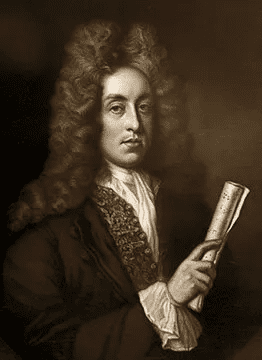
There was also a chapter in the composer’s life when he stepped back from his duties as an organist to focus entirely on sacred music. His work from this era is defined by expressive melodies, intricate harmonies, and meticulous attention to detail. Showcasing a profound understanding of liturgical traditions, Purcell reached new heights of musical mastery.
Ultimately, Henry Purcell was the absolute musical genius of his generation. Despite navigating a turbulent political climate, personal heartbreak, financial struggles, and chronic illness, he continued to create breathtaking music. Tragically, the harsh realities of life in London and his own frail health led to his untimely death at just 36. Yet, in his brief life, he gifted the world an enduring and unparalleled musical legacy.