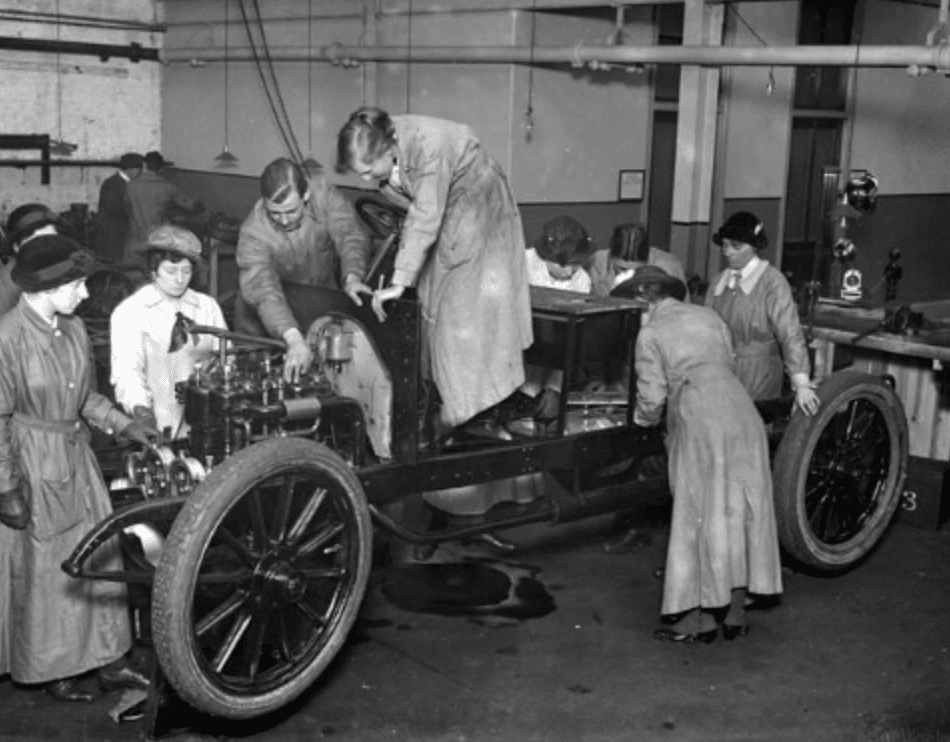

In the early 20th century, learning to drive in Great Britain evolved into a viable commercial enterprise. The British School of Motoring (BSM)—a driving school in London—played a crucial role in establishing road safety in the country. It became one of the world’s most successful private driving schools and continues to be actively involved in training novice drivers and automotive engineers. Read more at ilondon.info.
History of the Founding and Development of the BSM
The history of the British School of Motoring began in 1910 in London. Led by inventor and automotive pioneer Stanley Roberts, it offered a 4-day course covering mechanics and driving. In a garage rented by his mother, students were able to focus on personal servicing, proper technique, common sense, and behaviour. After moving to the centre of the capital, the founder opened his offices on the first floor of Coventry Street. Securing a leading position among novice drivers, the educational institution was obliged to train the Army in driving and emergency aid during World War I.
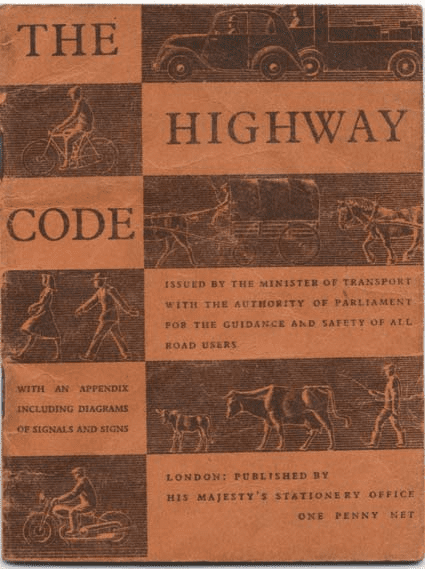
Between 1930 and 1934, over 4,000 road users were killed annually on the country’s roads. At the time, the United Kingdom was one of the few European nations that had yet to implement compulsory driving tests. No longer content to rely solely on the Highway Code, the Ministry of Transport called upon the BSM to devise the country’s first mandatory car test, costing 7 shillings, in 1934. After receiving royal assent, the Road Traffic Act of 1935 partially resolved the catastrophic situation regarding travel safety.
derf.org.uk
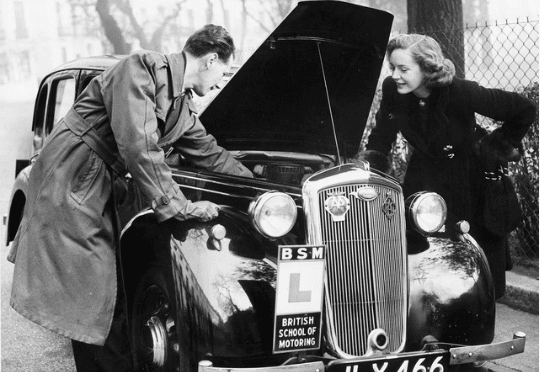
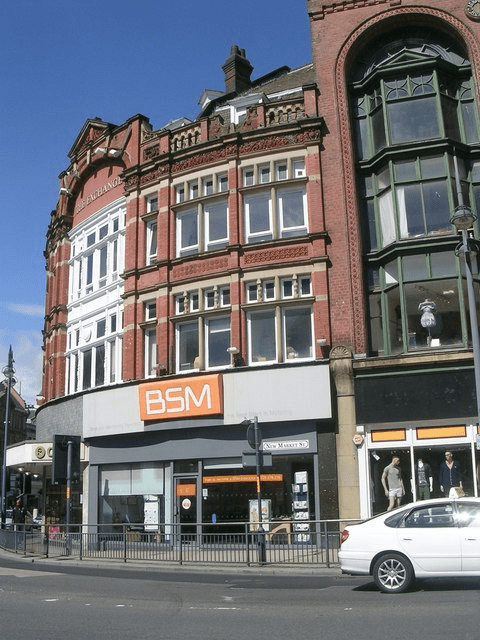
During World War II, the British School of Motoring suspended civilian training and began preparing military personnel. In peacetime, it also participated in the rehabilitation of injured veterans, introducing vehicle adaptations for disabled people. The financial success of the educational institution allowed it to become the largest private driving school in the world. It owned the rights to virtually all its various office premises in towns and cities across the UK.
Following the death of founder Stanley Robertson in 1957, his special assistant, Denise McCann, became the new head of the BSM and the College of Aeronautical and Automobile Engineering. Two years later, under her leadership, the institution began providing educational services in schools and colleges. However, in 1973, it came under the control of the City of London public administration at Mansion House. Signing an agreement with the British car manufacturer Rover Company, the school expanded its fleet with Triumph Dolomite cars.
In 1993, the British School of Motoring was listed on the stock market, replacing the Austin Metro with the Vauxhall Corsa as its updated fleet vehicle. In early 2009, it was sold to the German company Arques Industries AG, which specialises in telecommunications equipment. However, in 2011, the business was acquired by the British company Acromas Holdings, which was part of the investment group The AA.
Alamy
Recognition and Significance of the BSM’s Activities
The British School of Motoring initiated the development of road literacy and safety in the country. For a long time, it allowed the public not only to master the wheel but also to build a career in the leading automotive industry through its vehicle maintenance programme. Annually, hundreds of its students continue to create a distinctive sight on British roads in a new-style Vauxhall Corsa or Fiat 500.
Wikipedia