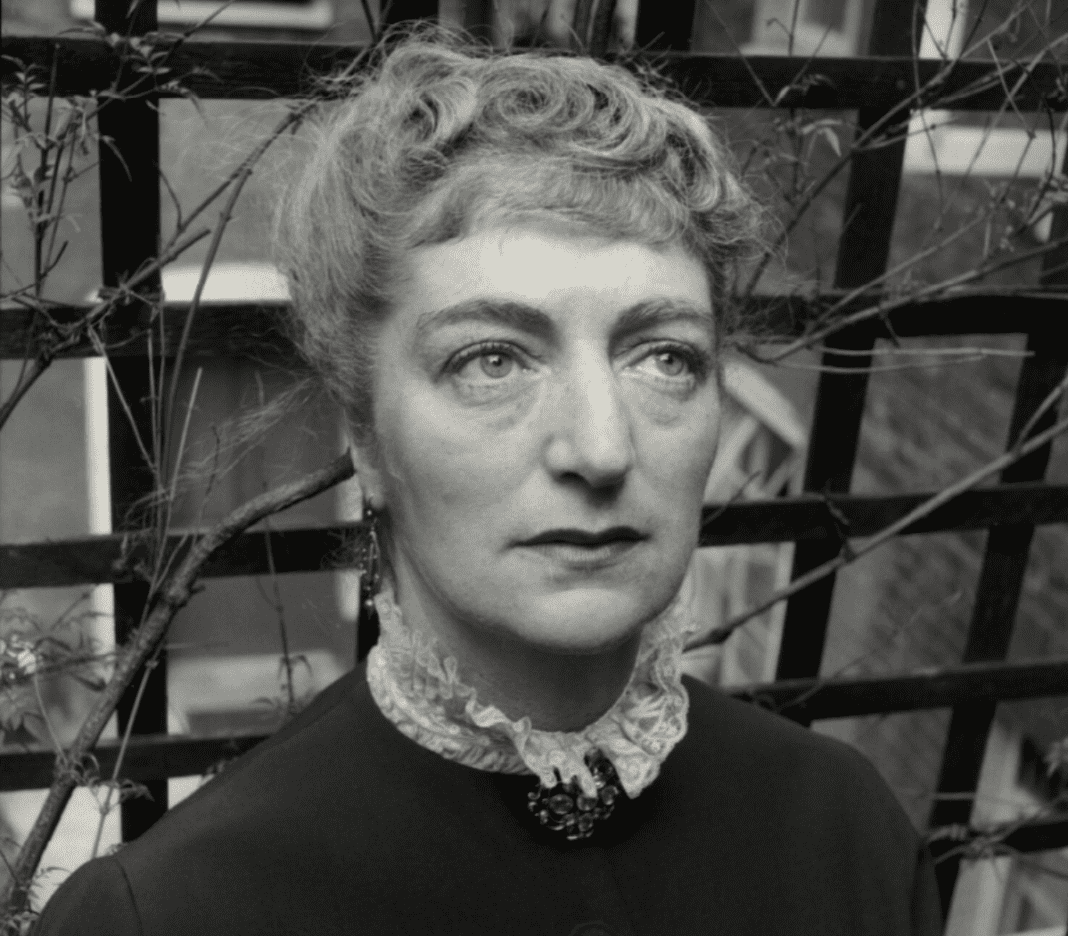

Lillian Browse is widely regarded as the first pre-eminent woman in London’s art-dealing world. Her professional legacy reflects a formidable blend of commercial acumen, art historical expertise and organisational brilliance. More at ilondon.
Early Life and Lillian Browse’s Artistic Journey
Lillian Browse was born in London on 21 April 1906. In 1909, she moved to South Africa with her family. Growing up in a different cultural landscape, she attended Barnato Park High School, but her desire for creative growth eventually drew her back to her home city in 1928. There, the young artist enrolled at the Cecchetti Ballet School, one of the most prestigious institutions for dancers at the time. Although her career as a ballerina showed promise, she struggled to reach the highest professional levels. While touring the Netherlands, she realised she needed to find a different path.
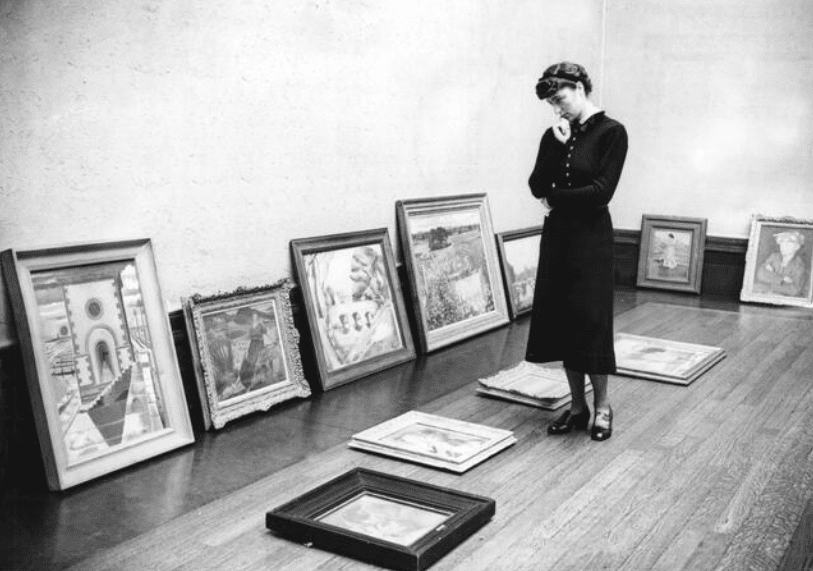
It was then that Browse turned towards art history and dealing. In 1931, she began working for free at the Leger Gallery, eventually rising to become its manager. Despite her initial lack of experience, she convinced the owner to let her manage the gallery’s photographic records. Driven by persistence and enthusiasm, she began organising exhibitions for contemporary artists. Although commercial success was modest at first, it did nothing to dampen her resolve.
At the outbreak of the Second World War, Browse joined the ambulance service as a volunteer. Yet, even in wartime, she did not abandon her mission in the arts. Her initiative and diplomatic skill were clearly evident in her collaboration with Kenneth Clark, Director of the National Gallery. Browse proposed an innovative solution: hosting exhibitions of contemporary British artists at the National Gallery while its permanent collection was safely stored in Wales. During this period, she built an extensive network of artists, curators and collectors, while also establishing her own personal archive.
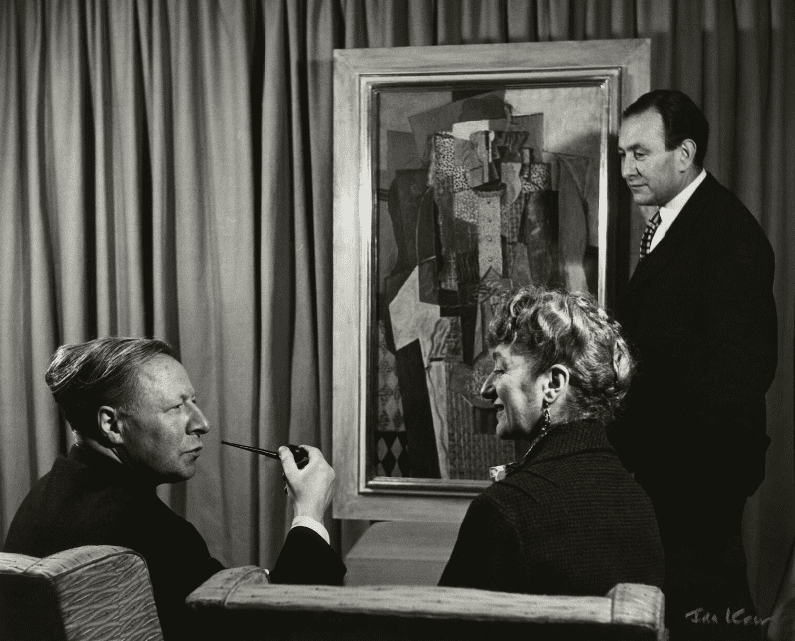
Following the return to peace, Lillian Browse co-founded the gallery Roland, Browse & Delbanco alongside Gustav Delbanco and Henry Roland. The opening of their office at 19 Cork Street raised eyebrows, as the street was then notorious as a “haunt for prostitutes”. Although the art dealer often fondly recalled the area’s seediness and her chats with the girls on the doorsteps, she remained based there for 32 years.
In 1949, Browse recounted her professional experiences in her book, “The Duchess of Cork Street”. Drawing on her knowledge of both ballet and fine art, she earned high praise from critics. This success led to her appointment as a ballet critic for The Spectator in 1950.
When Gustav Delbanco and Henry Roland retired in 1977, Browse partnered with William Darby to open a new gallery, Browse & Darby. She finally retired from professional life in 1981. The following year, she made a generous contribution to the nation’s cultural heritage by donating a significant portion of her private collection to the Courtauld Institute of Art. She passed away in London on 2 December 2005.
National Portrait Gallery
Gustav Delbanco, Lillian Browse and Henry Roland
Recognition and the Impact of Lillian Browse’s Career
Lillian Browse made a profound contribution to the development of the art trade and exhibition management. She became a symbol of opportunity for women seeking to establish themselves in a traditionally male-dominated field. She authored several monographs on prominent artists, including “Leslie Hurry: settings and costumes for Sadler’s Wells Ballets”, “Edgar Degas: Ballet Dancers” and “Forain, the painter, 1852–1931”. In recognition of her services to the arts, she was appointed a CBE (Commander of the Order of the British Empire).
Alamy