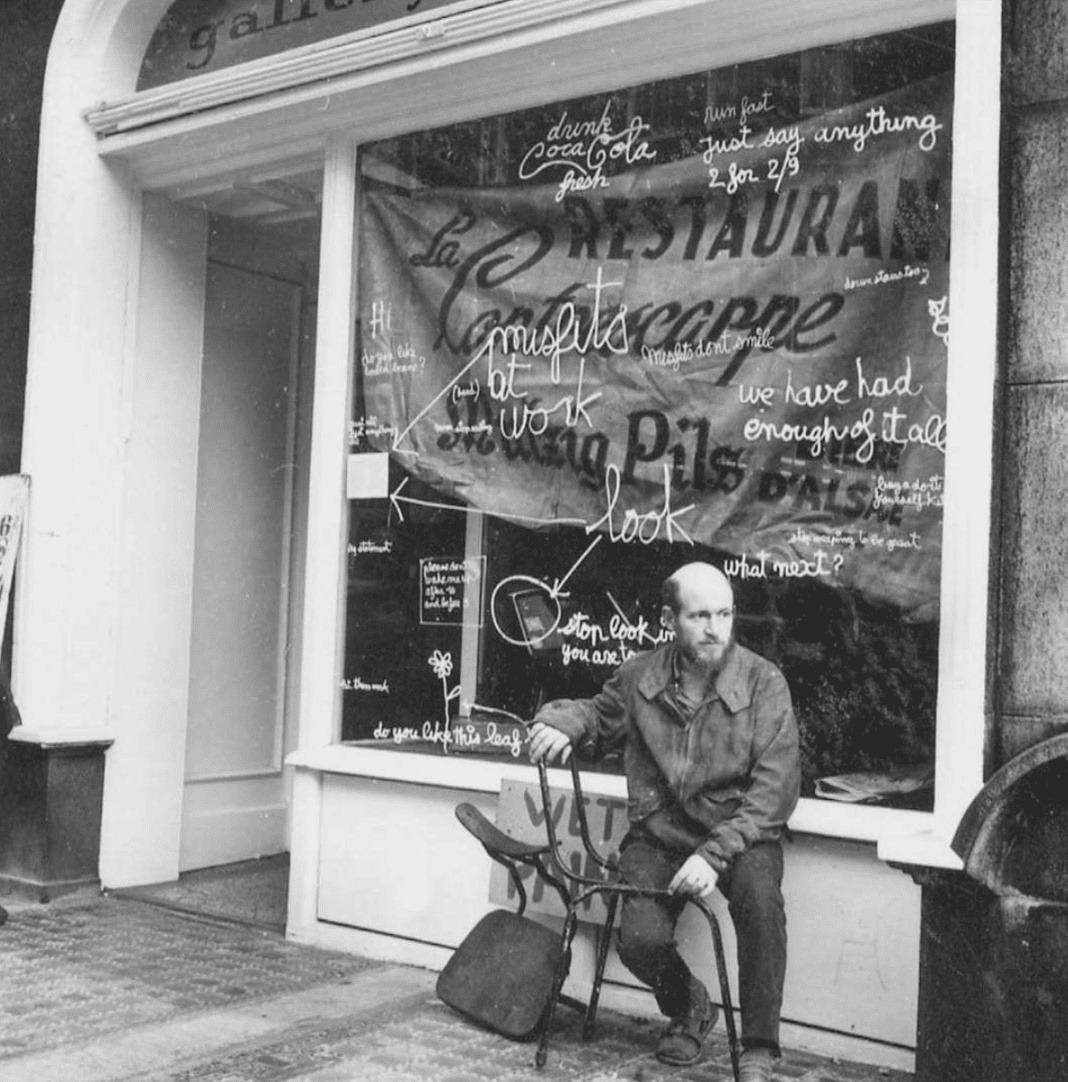

The Gallery One successfully created a space for the early development of outsider art. It championed overlooked talent, not for its market value, but primarily for its conceptual and aesthetic novelty. Read more at ilondon.
History of the Founding and Development of Gallery One
In 1953, poet and art dealer Victor Musgrave founded Gallery One in London. Starting with just £5 in his pocket, he established a pioneering and experimental exhibition space for contemporary art at 1 Litchfield Street. It initially shared a space with the photography studio of his wife, Ida Kar. The gallery later moved to 20 D’Arblay Street in Soho before relocating to Mayfair.
Gallery One gradually transformed into an open social hub for London’s creative community. In all three of its locations, it offered visitors not only an exhibition space but also a place for meetings, discussions, and the exchange of ideas. Often giving a chance to newcomers, Victor Musgrave was known for his audacity in selecting artists. Art dealer John Kasmin recalled that Musgrave was unafraid to risk commercial success for the sake of showcasing unnoticed talent.
In 1954, the British Expressionist painter John Christoforou held his first solo exhibition at Gallery One. In his work, he addressed existential themes of life and death, pain and suffering. The impact of World War II significantly influenced the artist’s worldview and self-expression. Through his exhibited works, he explored themes of struggle, birth, and the crucifixion for the gallery’s audience.
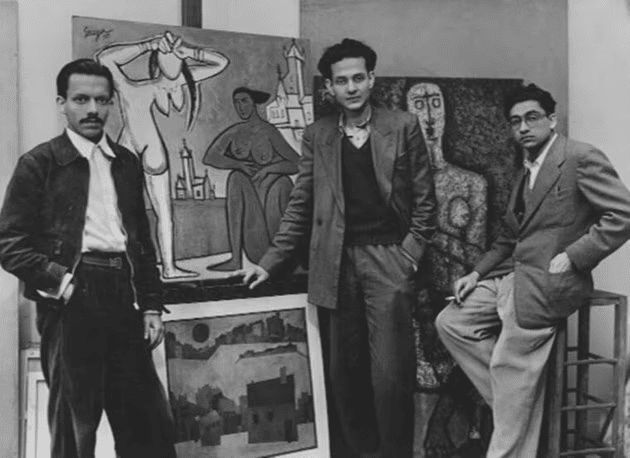
In 1949, the Indian painter Francis Newton Souza moved to Great Britain, aspiring to leave behind a life of poverty. His life changed dramatically after a chance meeting with Victor Musgrave, which led to his first exhibition at Gallery One in 1955. Although his controversial art was initially met with mixed reactions, it only heightened interest in the artist. Through six solo exhibitions, he earned enough money to solidify his position in the art world.
One of the most significant exhibitions at Gallery One was “Seven Indian Painters in Europe” in 1958. It showcased the works of some of the most prestigious contemporary artists of Indian origin, including Maqbool Fida Husain, Akbar Padamsee, Anwar Jalal Shemza, and Tyeb Mehta, among others. Receiving critical acclaim, the exhibition contributed to the international popularisation of South Asian art.
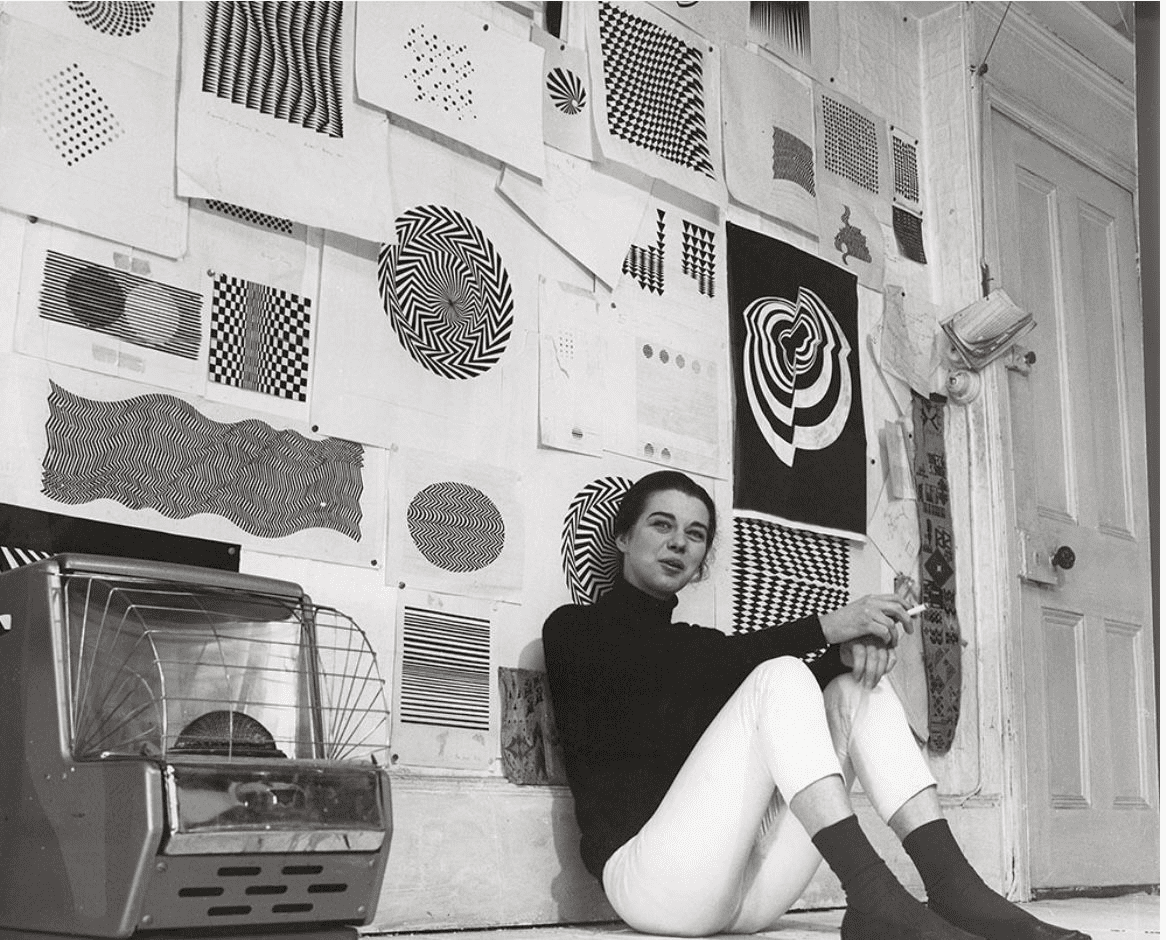
In 1962, Bridget Riley and Christopher Sturgess-Lief made their debuts at Gallery One. Riley was a prominent representative of Op Art, working with geometric compositions that create optical illusions of movement. Sturgess-Lief was a self-taught artist whose emotional and poetic works were characterised by abstraction and symbolism. Despite significant differences in their career paths, they both found a mentor in Victor Musgrave. The exhibition space ceased operations in 1963.
The Indian Express
Francis Newton Souza
Recognition and Significance of Gallery One’s Activities
Gallery One became a vital platform for artists who were on the margins of the art world. Through his interest in outsiders, Victor Musgrave provided an opportunity for artists like Rufino Tamayo, Henry Miller, Suzanne Wenger, Peter King, Enrico Baj, Hussein Shariff, and many others to make their name. The gallery’s most notable events also included the Festival of Misfits, Monochrome Propositions of Yves Klein, and The Contemporary Nude. The modern Musgrave Kinley Outsider Art Collection includes over 1,000 works by nearly 130 artists from around the world and is housed at The Whitworth Art Gallery.
Morgan Library
Bridget Riley