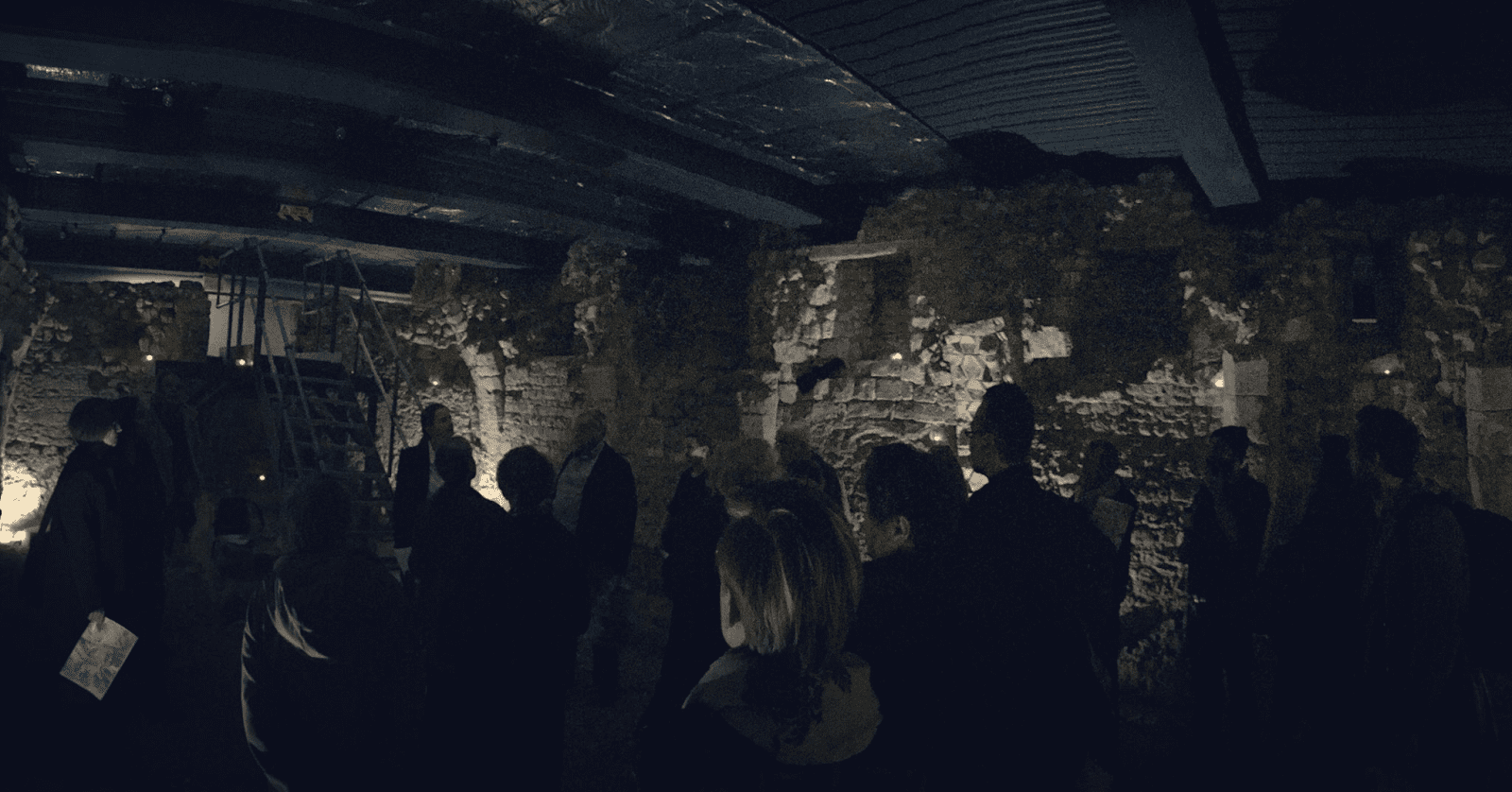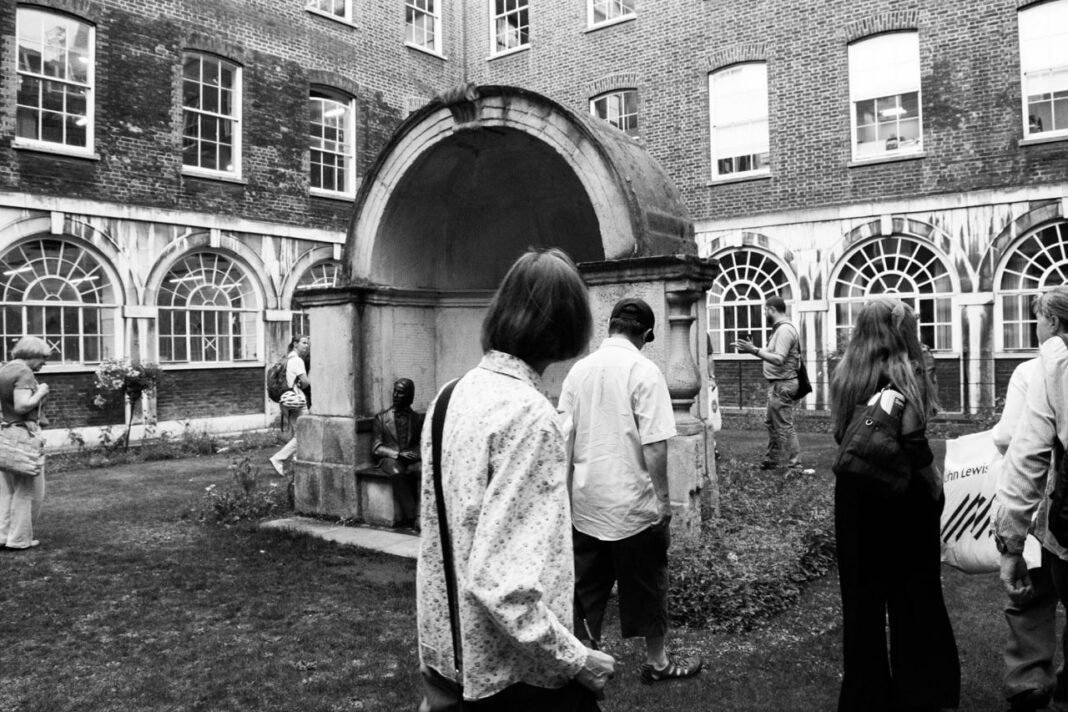

The London and Middlesex Archaeological Society (LAMAS) is one of Britain’s oldest archaeological organisations. It is dedicated to researching the cultural heritage of London, the historic county of Middlesex, and surrounding areas that were later incorporated into the capital. The Society’s members meticulously examine artefacts, architecture, and historical documents, piecing together a comprehensive picture of the development of one of the world’s most iconic cities. Read more on ilondon.
The Foundation and Growth of the London and Middlesex Archaeological Society
The London and Middlesex Archaeological Society was established in 1855 to investigate the history of London, Westminster, and the county of Middlesex. The formal inaugural meeting took place on 14 December 1855, in the historic Crosby Hall, Bishopsgate. The Society’s formation was driven by two prominent figures of the Victorian era: George Bish Webb and Thomas Hugo. Webb already had organisational experience, serving as the Honorary Secretary of the Surrey Archaeological Society. Hugo, the vicar of St Botolph’s Church, was elected as the newly formed structure’s first President.
Individual membership in LAMAS was open to anyone interested in the capital’s history. Within the first few decades of its existence, the organisation boasted approximately 400 members, including historians, local enthusiasts, and general lovers of antiquity. Its primary academic platform became the annual journal, “Transactions of the London and Middlesex Archaeological Society”. The first edition was released in parts between 1856 and 1860. Later, the sixth volume of the so-called “First Series,” which laid the groundwork for future scholarly publications, was completed in 1890.
Among the active figures in the early decades, John Gough Nichols and Edward Brabrook are also noteworthy; the latter served as President of the London and Middlesex Archaeological Society from 1910 to 1930. Their dedicated work helped transform it into an influential platform for sharing archaeological knowledge. The Committee for Historic Buildings and Conservation has played a vital role in LAMAS’s ongoing activities, actively campaigning for the sustainable development of the capital’s architectural heritage. It analyses reconstruction and restoration projects, offers recommendations for monument protection, and initiates public discussions aimed at safeguarding the historical environment.
One of LAMAS’s most cherished traditions is the Stow Memorial Service, organised jointly with the Merchant Taylors’ Company. Held at the ancient Church of St Andrew Undershaft, it commemorates John Stow, the 16th-century antiquarian and author of the famous “Survey of London,” considered the first systematic description of the city. The ceremony was first held in 1924 and continued annually until 1991, never stopping even during the years of the Second World War. The only exceptions were 1992 and 1993, when the church sustained significant damage following the Baltic Exchange bombing.
Since 1976, LAMAS has published a series of monographs titled “Special Papers”—collections of academic works highlighting the latest archaeological discoveries, research into historic buildings, and analysis of cultural processes within London. By 2014, 17 volumes of this series had been published, and the first 16 have been fully digitised and made available for free download on the official website. Furthermore, three additional “Special Papers” volumes, dedicated to excavations in Southwark, Lambeth, and Staines, were prepared in collaboration with the Surrey Archaeological Society.
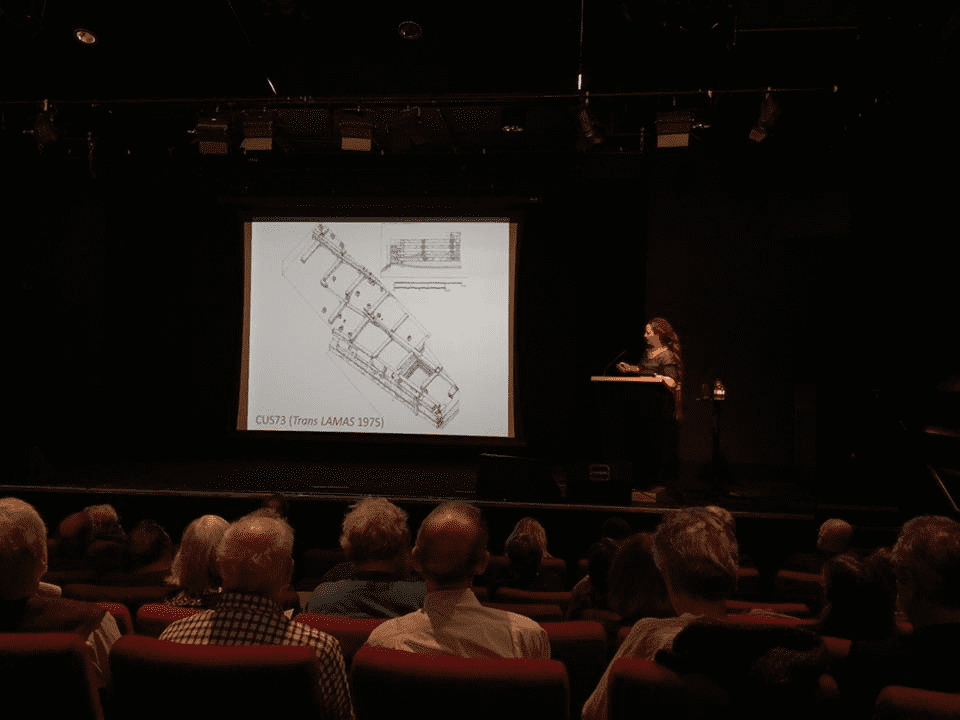
Recognition and Significance of the London and Middlesex Archaeological Society’s Work
In the 21st century, LAMAS serves as a platform for interaction between academia, the public, and cultural institutions, blending historical accuracy with modern technology and educational initiatives. Despite its initial focus on London and Middlesex, the Society now covers regions historically belonging to Surrey, Kent, Essex, and Hertfordshire, which were subsequently incorporated into the capital. The Museum of London, a key partner in implementing academic and public outreach projects, provides vital support to the Society.