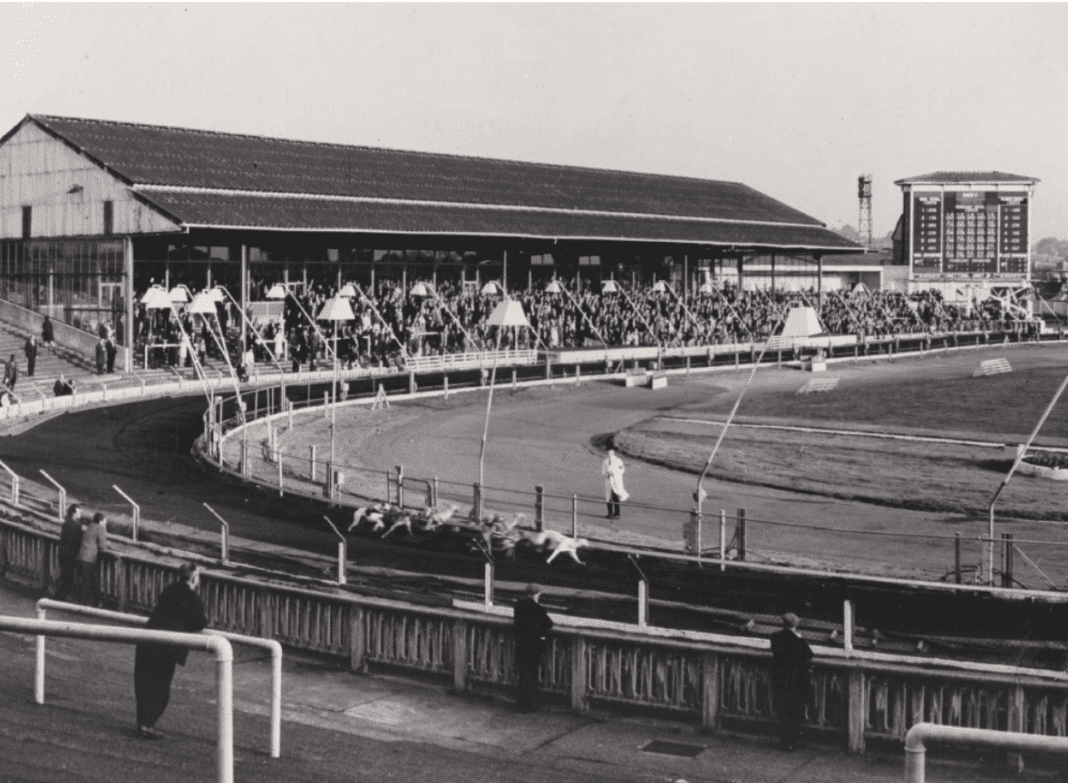

In the early 1930s, greyhound racing was at its peak in Great Britain, becoming not only a popular form of entertainment but also a lucrative prospect for investors. In this context, New Cross Stadium emerged as a new centre for sports life in East London. Built in a densely populated area, it quickly gained popularity among racing enthusiasts. Read more at ilondon.
History of the Founding and Development of New Cross Stadium
In the early 20th century, a piece of wasteland in Deptford belonging to the East London Railway Company took on new significance. The triangular plot, bordered by three railway lines, gradually transformed into a venue for sporting events. Initially, an athletics track was laid, which became the first notable sports facility in the area. In 1910, The Den stadium opened nearby, becoming the home of Millwall Football Club.
Further changes occurred in 1932 when the Greyhound Racing Company purchased five acres of the site. The following year, the new New Cross Stadium opened as a dedicated greyhound racing track. It was small by average standards, featuring a very narrow circuit just 354 yards long with a peat surface, short straights, and banked corners.
The opening of New Cross Stadium took place on 1 June 1933, when the first races officially commenced with the presence of celebrity guests Cicely Courtneidge and Jack Hulbert. The main race distance exceeded 550 yards. Initially, a complex of 200 kennels was built there, but the number was later expanded to 250.
As the popularity of the races quickly grew, the Greyhound Racing Association (GRA) acquired New Cross Stadium in 1936. Investing significant funds in modernisation, the GRA erected a modern glass grandstand, outfitted a restaurant, and created covered terraces for 20,000 visitors. The arena became a multi-functional sports centre, hosting not only greyhound racing but also boxing matches and stock car races.
In 1938, the GRA launched the prestigious Greenwich Stakes race at New Cross Stadium, which was later renamed the Greenwich Cup. The following year, another important tournament, the Berkeley Cup, was introduced. Both events became landmarks for the arena, solidifying its reputation as one of the leading open-air stadia in London.
In the 1960s, the management of New Cross Stadium changed hands when John Field became the Racing Manager. In August 1968, the traditional racing schedule was supplemented with BAGS (Bookmakers Afternoon Greyhound Service) daytime meetings. These lasted less than a year, as the arena was closed without warning on 3 April 1969. The main reason cited was rental issues, as the land belonged to British Rail.
Over the following years, the New Cross Stadium site fell into disrepair. In 1976, a local trainer put forward a proposal to create a new racetrack along with modern kennels for training future athletes. However, this plan was never realised, and the area was subsequently developed with residential housing.
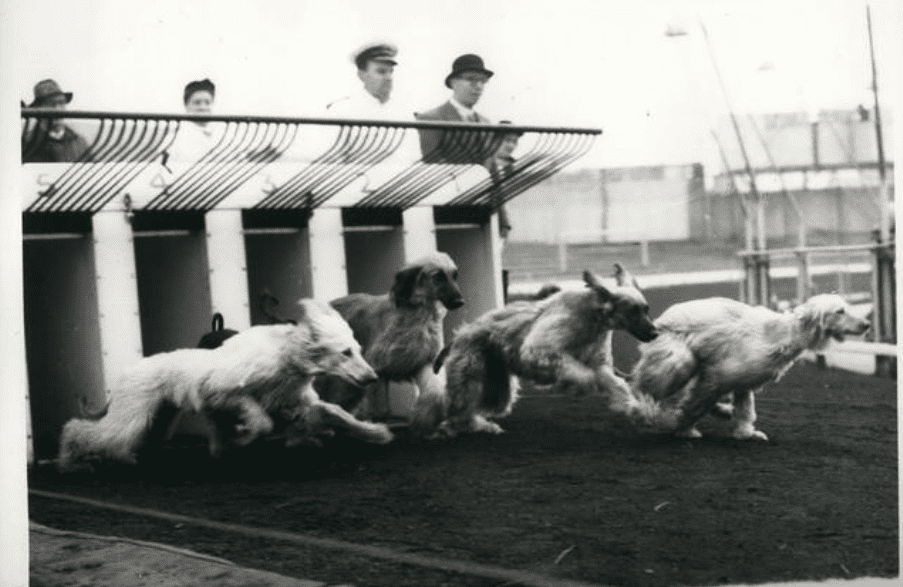
Alamy
Recognition and Significance of New Cross Stadium
New Cross Stadium left a noticeable mark on the sporting history of Great Britain. Despite being one of the country’s smallest tracks, it gained popularity through greyhound racing, speedway, and stock car racing. Famous athletes such as Ron Johnson, George Newton, Jack Milne, and Tommy Farndon competed here. Furthermore, talented trainers, including Albert Bedford, John “Jack” Kennedy, Bill Smith, and Harry Spur, worked on preparing the participants for the races.
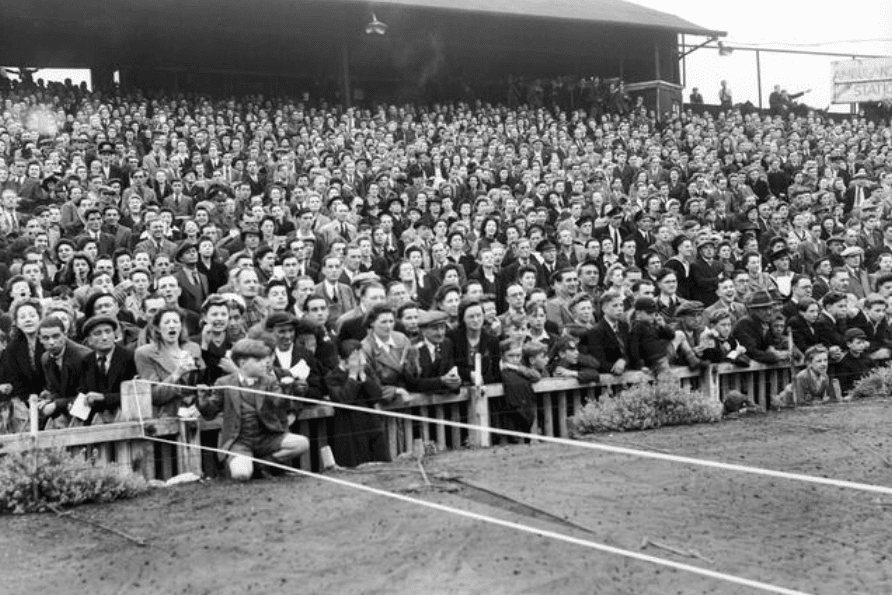
Alamy