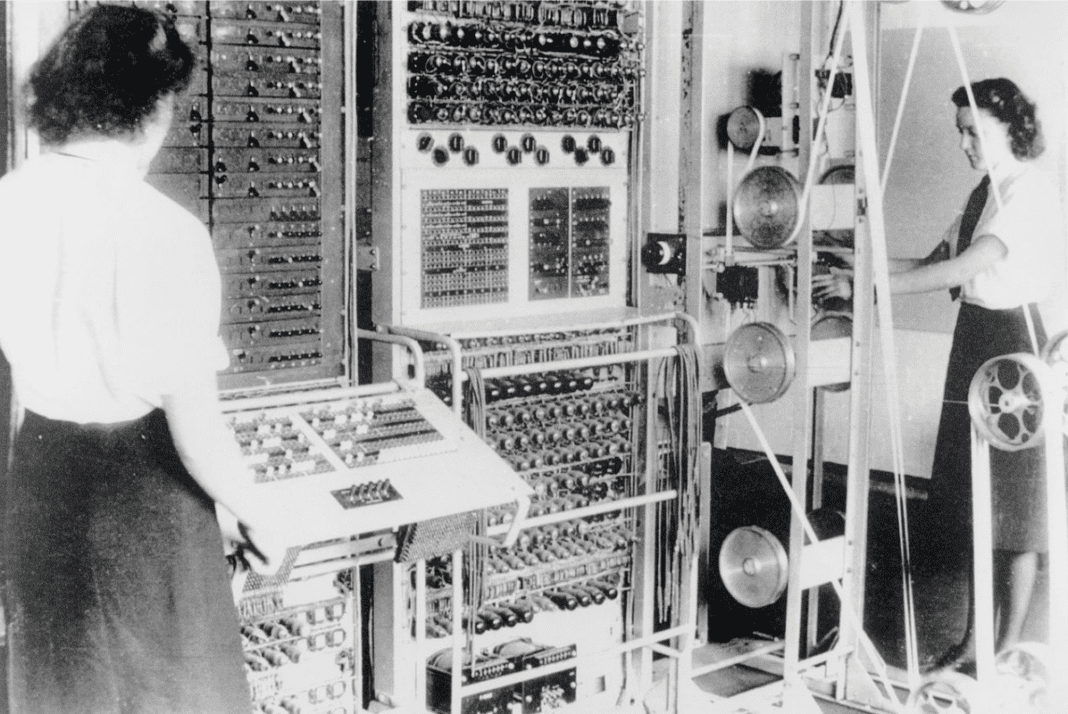

During World War II, the Colossus computer—an electronic calculating device—made a critical contribution to accelerating the collection of German intelligence data. As the world’s first digital, electronic, and programmable machine, it helped shorten the protracted conflict and launched a new direction for British technology. Read more at ilondon.info.
History of the Founding and Development of the Colossus Computer
At the beginning of World War II, the British struggle against German aggression involved intercepting encrypted army messages from both Enigma and Fish devices. However, the most vital source of top-secret enemy communications was the Tunny cipher machine. It maintained the confidentiality of high-level signals in binary code between Adolf Hitler and his military command in Berlin. Ultimately, the UK government recognised the urgent need to improve technology to decode enemy data.
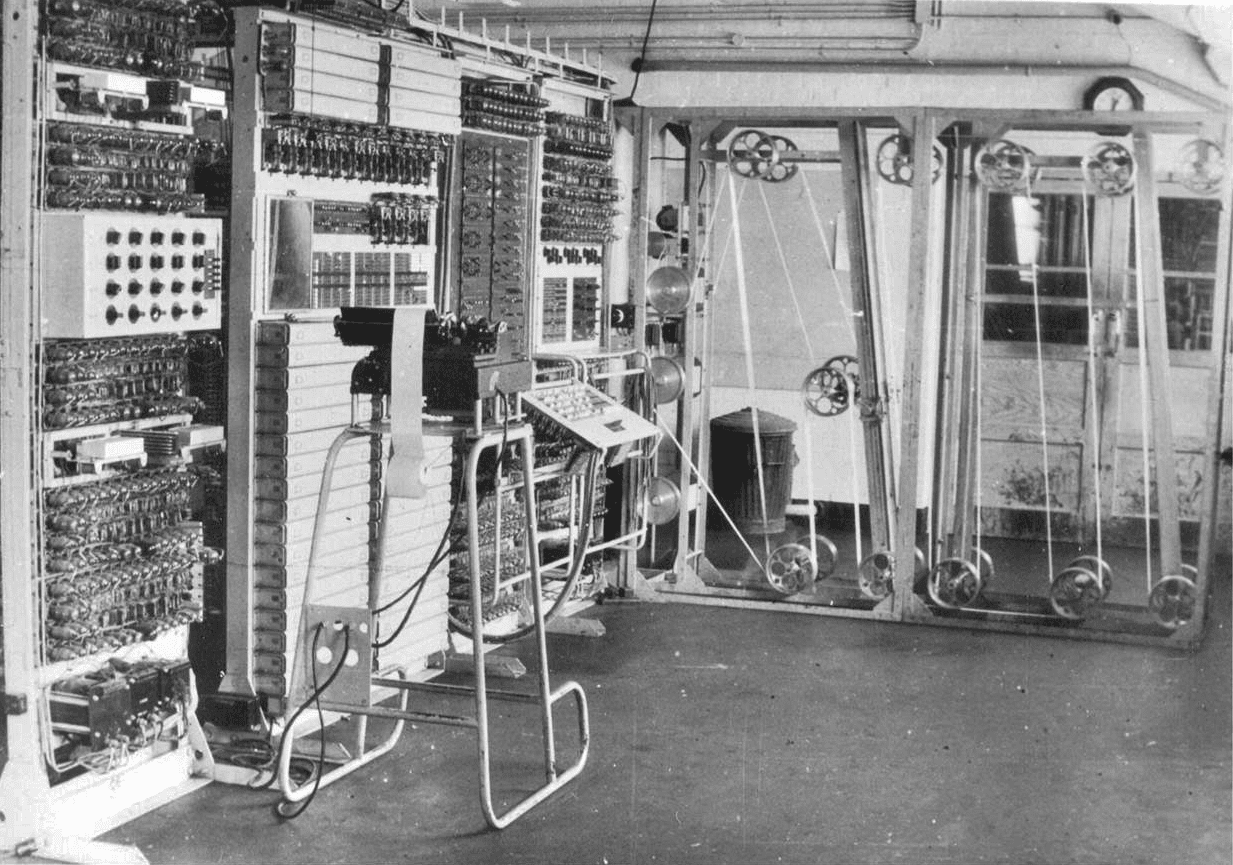
To address this, the design and construction of the world’s first electronic computer began at the Post Office Research Station in London. For 11 months, the creation process was led by the English research engineer Tommy Flowers. After successful trials in 1943, Colossus Mk 1 was delivered to Bletchley Park, the main location of the UK’s Government Code and Cypher School. In February 1944, engineers Harry Fensom and Don Horwood fully assembled the first digital, electronic, and programmable Colossus machine. Although the production of the first model took nearly a year, the supply of new cryptanalysis devices quickly ramped up. Their primary task was to strip the first layer of encryption from German messages, allowing programmers full access to their content. In June 1944, the improved Colossus Mark 2—capable of processing information twice as fast—was brought into operation.
Because there was an overwhelming number of enemy signals to decode, 10 Colossus computers were in use across Great Britain by the end of the war. They were housed in a specially constructed block, “H”, for electronic computing devices at Bletchley Park. Built to the standard design of a Ministry of Works barrack, it featured reinforced concrete walls and a corrugated asbestos roof. Despite its inconspicuous design and location, the annex gained recognition for its historical and technological importance.
It is widely believed that after the end of World War II, Winston Churchill himself ordered the destruction of the computers to preserve their secrecy. Almost all Colossus machines were dismantled into such small pieces that conclusions about their purpose were only revealed in the 1970s. As a result, they were not recognised as part of computing history for decades. The official silence surrounding the achievements of their developers ended in 1974 with the publication of the book The Ultra Secret by Royal Air Force officer Frederick Winterbotham, who had worked at the site during the conflict.
Wikipedia
The Contribution and Significance of the Colossus Computer
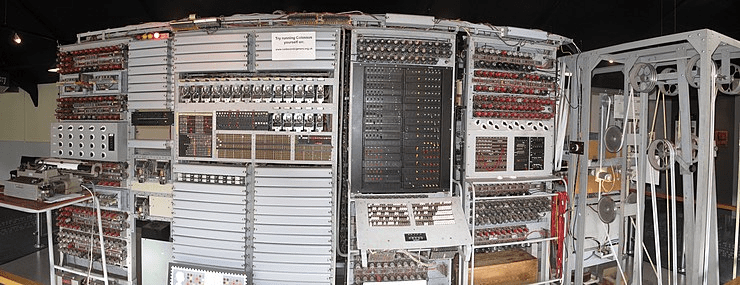
The first digital, electronic, and programmable Colossus computer played a vital role in the global development of computing. By providing Great Britain with rapid access to German messages, it significantly reduced the time needed to uncover enemy intentions and helped shorten the war itself. Although it took a considerable amount of time for the innovative machine’s contribution to be officially recognised, it served as an example for subsequent developments. In the early 21st century, the National Museum of Computing and the Bletchley Park Trust took responsibility for sharing the story of the computer’s wartime work.
Wikipedia