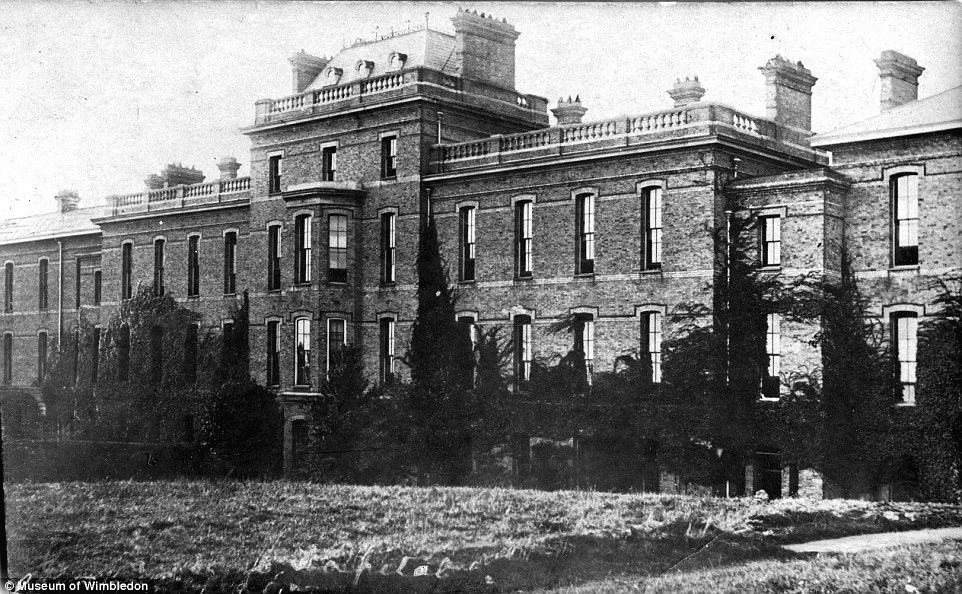

The Atkinson Morley Hospital (AMH) was established as Great Britain’s first rehabilitation centre linked to a major urban medical institution. Surviving two World Wars, it also achieved prominence as a provider of public neurological services. Its innovations advanced the research and treatment of brain function disorders. Read more at ilondon.info.
History of the Atkinson Morley Hospital’s Founding and Professional Development
Intended as a rehabilitation centre, the Atkinson Morley Hospital was built in 1867 alongside St George’s Westminster Hospital to provide aid to poor patients. It officially opened in London in 1869, thanks to a generous charitable donation of £100,000 from Atkinson Morley. Architects Edward and John Kelly, along with John Crowley, worked on the commission from the wealthy British landowner. They oversaw the construction of the medical facility, built in the Second Empire style, on the purchased grounds of the Duke of Wellington’s old estate.
Due to the need for modernisation, the AMH’s premises were updated under the direction of Adams, Holden, and Pearson in 1931. While it remained a rehabilitation centre until 1939, it subsequently began accepting patients with head injuries. During World War II, the medical facility—along with Bolingbroke and St George’s Hospitals—provided emergency services for wounded servicemen. Wylie McKissock, one of the country’s most renowned lobotomists, established the AMH neurosurgery department within the hospital.
Having come under the ownership of the National Health Service (NHS) in 1948, Atkinson Morley Hospital became firmly established as an emergency care centre. In the 1960s, it began collaborating with the newly created Wolfson Neurorehabilitation Centre located on its grounds. The Centre specialised in rehabilitation and outpatient services for those in need across South West London and Surrey.
In 1967, Godfrey Hounsfield, a representative of the British national conglomerate EMI, proposed a new method for creating images of internal organs. Despite initial scepticism from the neuroradiologist, most medical professionals approved of the electrical engineer’s innovative idea. Ultimately, the development of improved X-ray usage was financed by the Department of Health. As a result, the Atkinson Morley Hospital earned the distinction of being the first location where a CT scanner was used on 1 October 1971.
In 1973, the medical institution’s research extended to implementing new forms of lobotomy. Surgeon Alan Richardson, the developer of limbic leucotomy, performed this neurosurgical procedure on patients suffering from depression, obsessive-compulsive disorder, and anxiety. Atkinson Morley Hospital specialised in this procedure until 1999. In 2003, the hospital officially ceased operations after its neurological services were transferred to a newly created department within the main St George’s Hospital. Concurrently, the Wolfson Neurorehabilitation Centre stopped providing professional services to patients in 2012.
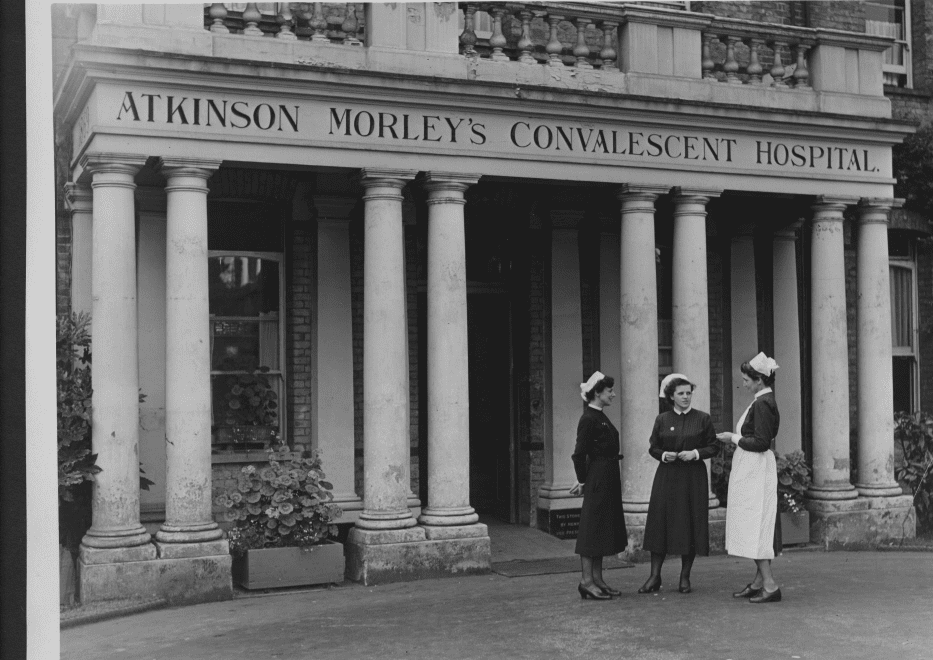
St George’s neurosciences services
Significance and Contribution of Atkinson Morley Hospital to British Medicine
Atkinson Morley Hospital remains one of the most innovative brain surgery centres in the world within the medical history of Great Britain. Founded as a rehabilitation centre, it transformed into an internationally recognised neuroscience institution, which incorporated departments for X-ray neuroradiology, psychiatry, and sleep studies. Thanks to financial support, the medical facility was able to provide professional services to both civilians and military personnel for over 130 years.
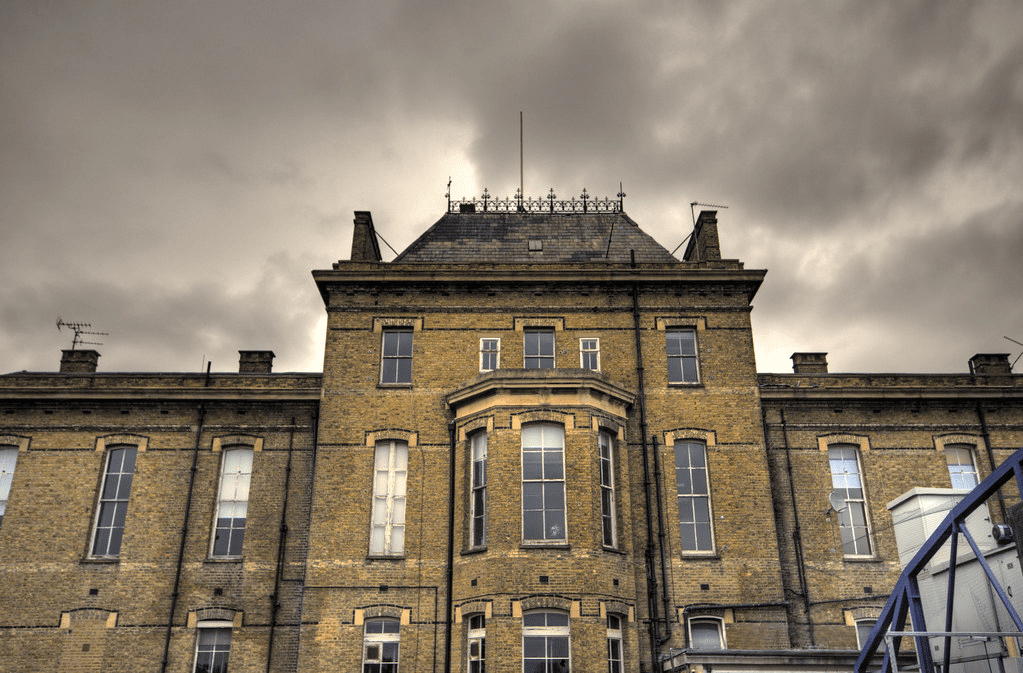
Flickr