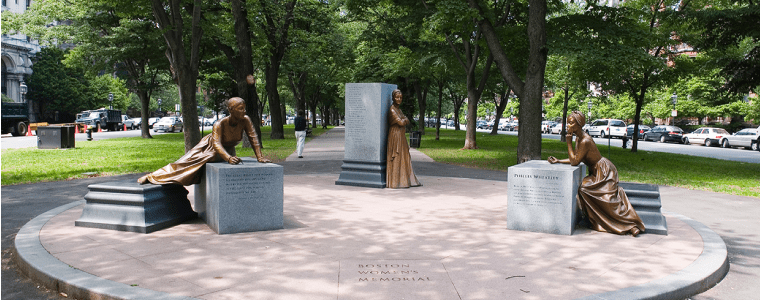

Despite the common perception of medicine as an intrinsically nurturing field, access to professional training in healthcare was historically granted exclusively to men. Until the late 19th century, the medical environment was only truly open to women practising midwifery. A crucial figure in the fight for women’s professional opportunities was Harriette Clisby, a doctor and suffragist originally from London. Read more at ilondon.info.
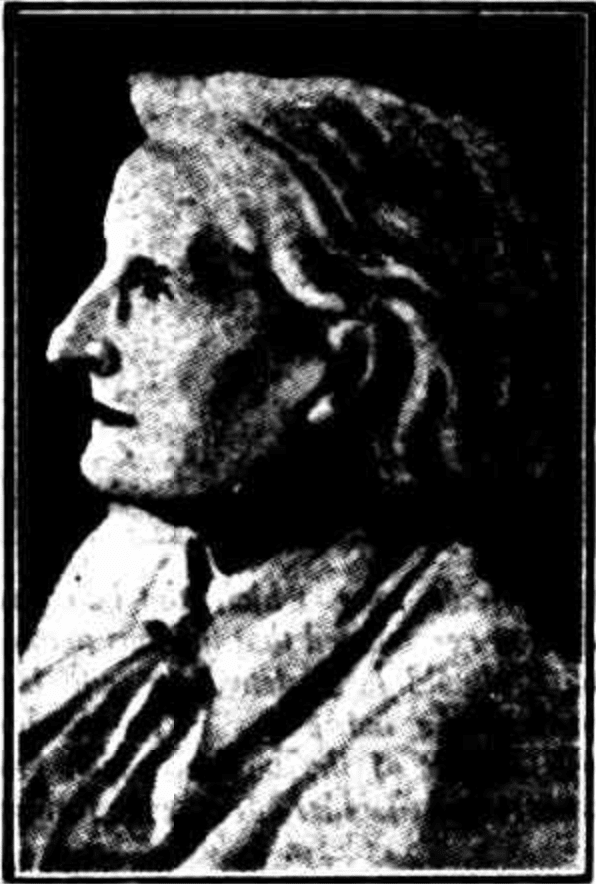
Harriette Clisby’s Early Life and Medical Career
Harriette Clisby was born on 31 August 1830 in London. She was forced to leave her home as a child when her family decided to close their London business and move to South Australia in 1838. After settling on purchased land in Adelaide, her father decided to continue their travels to the United States three years later. However, the family established a eucalyptus house and developed their own farm in Inman. Leaving their free life in the countryside in 1845, the family returned to the capital of South Australia, where they re-entered the professional sphere.
Two years later, Harriette Clisby, along with her father and sisters, was baptised and became a member of the New Church (Swedenborgian). In 1848, she married the sailor Henry Edward Walker in a Christian ceremony at Holy Trinity Church in Adelaide. Discovering an inclination for literary pursuits, she later moved to Melbourne and became the editor of the “Southern Phonographic Harmonia”. She subsequently led “The Interpreter” – Australia’s first women’s journal – alongside Caroline Dexter. Her community work also extended to establishing a public residence for the rehabilitation of female prisoners in 1858.
While studying nursing in England, the activist met the distinguished physician Elizabeth Garrett Anderson, whose example inspired her greatly. Consequently, she decided to dedicate her life to medicine and, with the financial support of a friend, enrolled in the New York Medical College for Women. Despite warnings from those around her about the demanding nature of the study, she successfully completed her education in 1865.
In 1871, Harriette Clisby applied her qualifications in Boston, where she became an instructor and the founder of the Women’s Educational and Industrial Union (WEIU). Aimed at addressing the problems of unemployed women, the Union allowed those in need to access legal, linguistic, and decorative services. As the organisation’s first president, Clisby later facilitated the expansion of its services to include employment assistance, domestic work, and retail jobs.
Due to poor health, Harriette Clisby had to resign from her managerial duties and move to Geneva. As a suffragist and medic, she remained actively concerned with improving the social opportunities for her fellow women. Abroad, her professional activities extended to founding L’Union des Femmes and lecturing on medical and spiritual subjects well into old age. She died on 30 April 1931 in London, holding the distinction of being the oldest female doctor at the time.
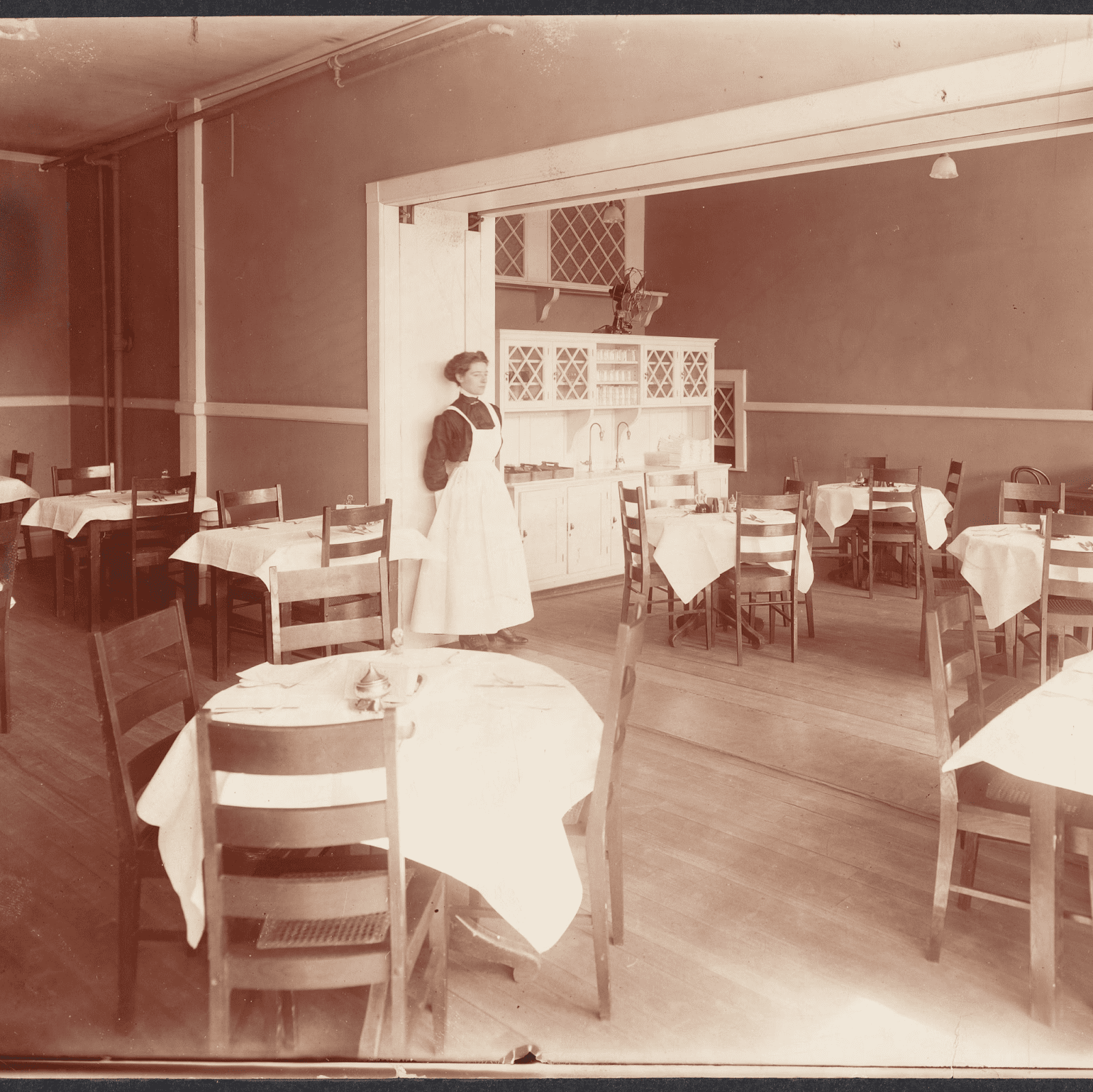
Harvard Radcliffe Institute, Women’s Educational and Industrial Union
Harriette Clisby’s Legacy and Professional Recognition
Harriette Clisby remains a distinguished public figure in the history of the suffrage and medical movements. Her Women’s Educational and Industrial Union existed for nearly 130 years, with chapters expanding to Buffalo and Rochester. Throughout her life, she also dedicated significant attention to pedagogy, enlightening her students with lectures on hygiene, homeopathy, and general medicine in the US and England. For her immense contribution, she was honoured with a mention on the Boston Women’s Heritage Trail and the naming of a street in her honour in the suburb of Cook in the Australian Capital Territory.