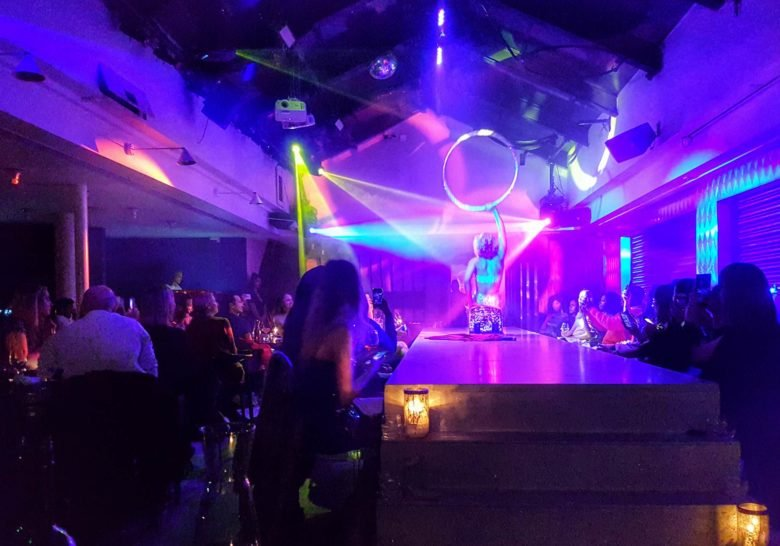

London is related to many kinds of entertainment. In the capital of Great Britain, you can find an original puppet theatre or learn about the history of festivals. The emergence of the modern circus is also associated with this city. It reveals many interesting facts about it. What is the general history of the circus? What were the first performances? What did the performers present in different periods? Why is London considered the birthplace of the modern circus? Learn more at ilondon.
First circus performances
In fact, the circus was one of the first known forms of entertainment in the world. It was very popular in ancient Rome. However, those performances somewhat differed from modern ones. One of the main spectacles was the horse and chariot races, which was influenced by Greek and Egyptian cultures. Those programmes also included performances by jugglers, acrobats and trainers. The circus in ancient Rome was the only public spectacle where women weren’t separated from men. Performances with animals remained popular at that time too. After the decline of the ancient civilization, the circus lost its popularity for a while and a different phenomenon appeared. Trainers and their animals travelled around Europe and arranged performances at fairs. It is also interesting that in Great Britain, the passing and distribution of many circus skills took place thanks to local gipsies. They appeared in the country around the 15th century and their knowledge of training animals and creating tricks quickly spread through different cities.
The impetus for the development of the modern circus
Philip Astley’s performance in London can be considered the beginning of the development of the modern circus. The event was held in April 1768. Since then, the English horseman has been called the father of the modern circus. Philip Astley impressed everyone with his horse-riding stunts. In London, he gained considerable popularity. Later, musicians, clowns, tightrope walkers, dog trainers and jugglers joined his creative activity. Around that time, people started to use the round arena for circus performances. This was a good decision because the centrifugal force helped the riders keep their balance on the horses and the audience could see the performance from any corner of the room.
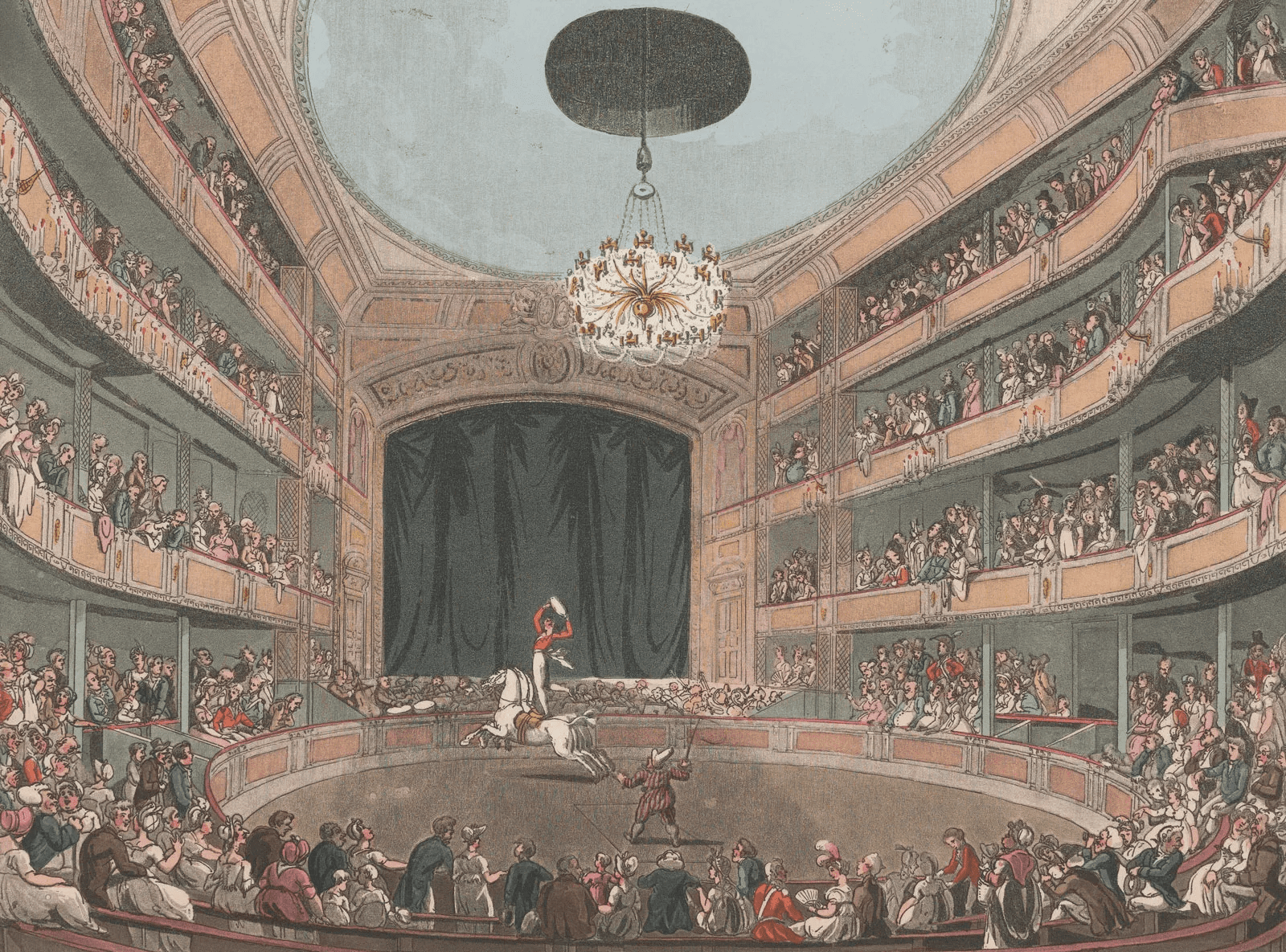
Photo resource: Britannica
The further history of circus development in London was quite eventful. This art form acquired new representatives. There were also many groups of performers who travelled the world. In the capital of Great Britain, The Roundhouse remained one of the main venues where circus and other performances were held. This location has become very popular since the 1960s. In general, circus art was modified and adapted to certain historical and social changes.
Modern circus art
Nowadays, circuses are a separate type of art in London. The people who create them are real professionals. They have come a long way, full of defeats and difficulties. Modern acrobats, tricksters, magicians and other artists are in constant search of something new and more original. Quite often, the organisers of such performances resort to experiments with the venues and technologies. The modern audience demands something more magical and amazing than the usual traditional spectacles may offer. The attitude towards animals has changed too. Today, most people take care of animals and don’t see them as a spectacle. Thus, circus art has undergone significant transformations throughout its history.