

It’s a common case in history when ordinary and well-established life has been extremely changed by sudden epidemics. Such phenomena can be easily imagined in the Middle Ages. At that time, London suffered from a cruel and ruthless plague, horrible and abominable cholera, as well as other extremely terrible infections. However, the global spread of a disease at a time when the medicine has already been significantly developed seems unlikely. Nevertheless, the Spanish flu was raging in many countries in the early 20th century. The epidemic got to London as well. What were its main features and how did the city fight the disease? Learn more at Ilondon.
When and why did the epidemic reach the city?
A new disease was noticed shortly after the end of World War I. The Spanish flu was characterised by headache, fever, trembling and sore throat. Therefore, it was quite difficult to distinguish it from other diseases. It was first discovered in Spain (which explains its name). The epidemic has spread rapidly and taken away hundreds of lives. It was brought to the UK by the military who returned home on trains and boats. In the UK, the Spanish flu was recorded for the first time in May 1918. In June, the epidemic spread around London. It is also interesting that it wasn’t a favourable season for the epidemic. Young women were the riskiest segment of the population. Their incidence was the highest in the city. However, it was just the first wave of influenza, which was brutal but not large-scale. In August, the disease would seem to retreat, but in October it struck the city and the whole world again. That time, the Spanish flu showed all its power. The incredibly fast spread rate disarmed doctors because they simply couldn’t cope with so many patients. One of the most horrific features of the disease is that it’s a very quick killer. Some people found out that they were sick the day before their death. Moreover, the corps were just lying on the street due to the high mortality rate and lack of coffins. In total, there were three main waves of the epidemic in London, the latter of which struck the city in early 1919.
How did Londoners defend themselves from illness?
The society was mainly focused on avoiding contact. People were urged to give up handshakes, not go in crowded transport, follow the basic rules of hygiene, as well as ventilate and disinfect the rooms. Some places were closed to prevent the spread of the disease. Thus, a large number of primary schools didn’t work. Cinema workers were required to ventilate the building for 30 minutes every three hours. However, many key ways of spreading the disease haven’t been considered. Thus, secondary schools and churches remained open. The representatives of the latter relied on prayer.
A personal story related to a horrible epidemic
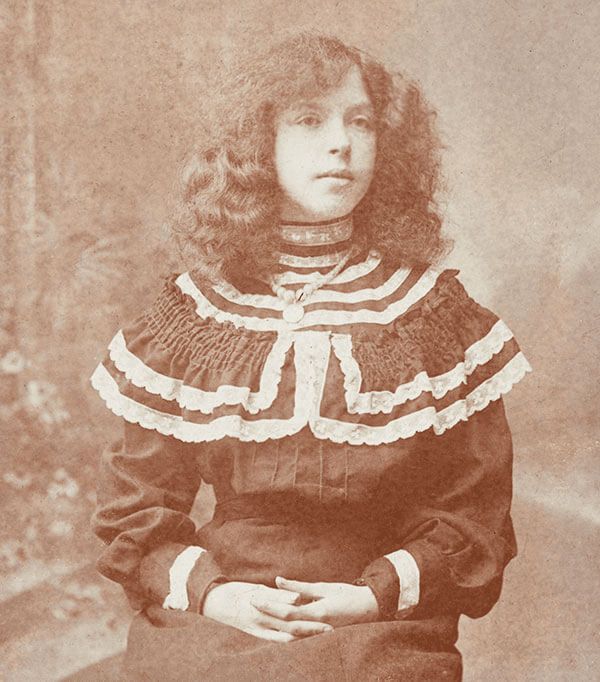
Often, it’s better to consider a personal story to get a clearer understanding of all the tragedy and horror of the event. Today, it is the story of a young girl named Linda Brown. She was the youngest child in the family and her family photos testify to the boundless love of her relatives. She married in 1915, but soon her husband was called up to the army. In the summer of 1918, he was injured and sent for treatment to the north of England. Linda went there to visit him and caught the Spanish flu during the trip. The family was shocked when they learned of a girl’s sudden death at London’s hospital in early September 1918.