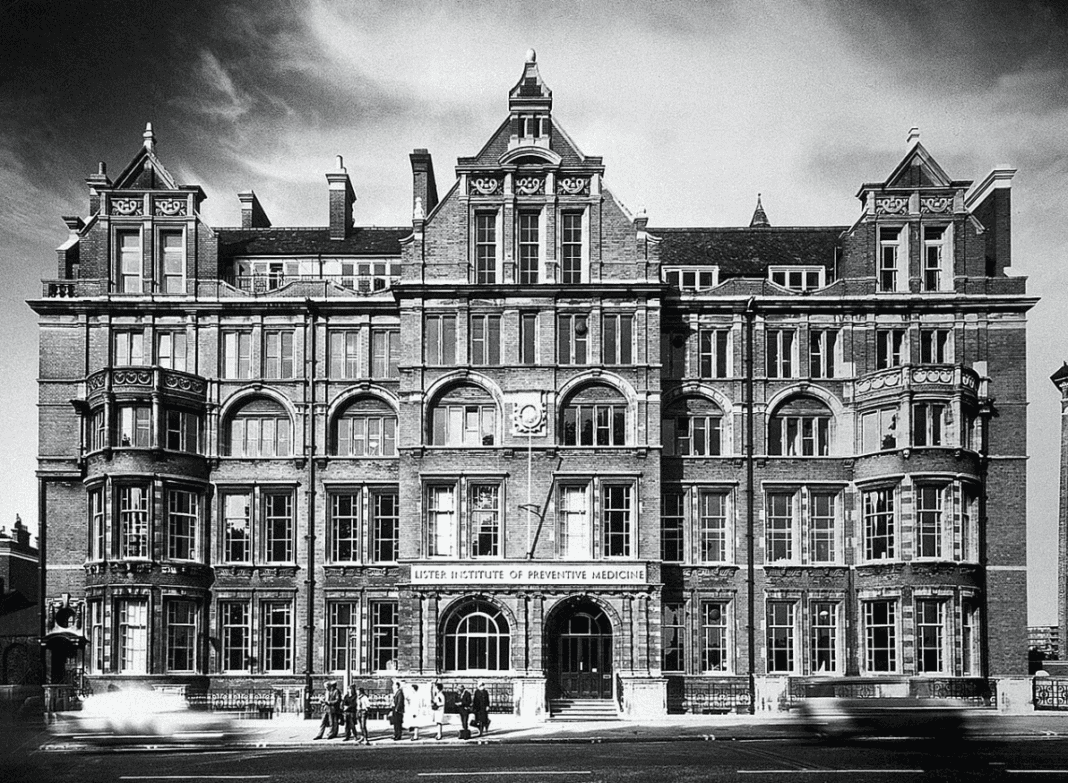

It is difficult to imagine the evolution of vaccinology, serum therapy, virology, and bacteriology—let alone the widespread rollout of rabies and tetanus vaccines—without the Lister Institute of Preventive Medicine. For over a century, the United Kingdom has remained both a witness to and a key player in the institute’s revolutionary scientific breakthroughs. More on ilondon.
The Foundation and Evolution of the Lister Institute of Preventive Medicine
In 1880, French chemist and microbiologist Louis Pasteur began researching rabies in dogs. Five years later, he developed a rabies vaccine, successfully testing it on Joseph Meister, a young boy who had been bitten. Captivated by Pasteur’s work, the British government established a commission to investigate his findings, led by the distinguished surgeon and pathologist James Paget. After testing the anti-rabies treatment at the University of London, commission members decided it was essential to introduce the vaccine to the United Kingdom.
During this period, the Pasteur Institute opened its doors, focusing on microbiology, infectious diseases, and vaccines. Consequently, British authorities and the public grew concerned that patients had to travel to Paris for rabies treatment. Having acknowledged Louis Pasteur’s contributions with a financial award, the consensus grew that Britain needed its own dedicated facility. Thus, the Lister Institute of Preventive Medicine was formally incorporated in 1891. Its mission was twofold: to conduct fundamental scientific research and to produce and supply vital therapeutic materials.
Due to a lengthy fundraising period, the search for suitable premises did not begin until 1893. The institute soon commenced operations at the College of State Medicine on Great Russell Street. In 1903, scientist Charles James Martin became its first director. He focused his research on the plague and the mechanisms of its transmission. Two years later, the Lister Institute became a school of the University of London.
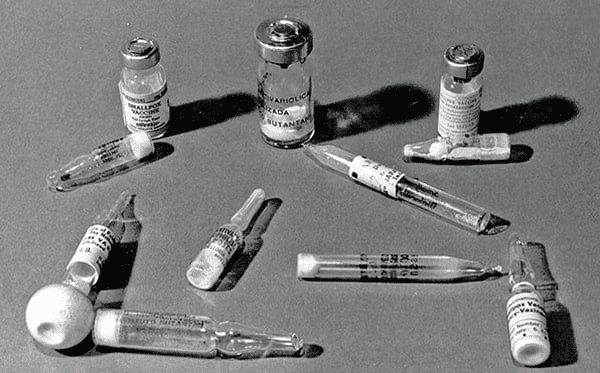
The institute saved thousands of lives during the First World War by scaling up the production of anti-tetanus serum and identifying the pathogens responsible for gas gangrene. In the interwar years, its rigorous research established the vital role of vitamins in preventing nutritional diseases among veterans. With the outbreak of the Second World War, the Lister Institute shifted its focus back to the production of anti-sera and vaccines, while also providing expert guidance on national nutrition.
Following the war, the institution began the difficult process of rebuilding. In 1952, Ashley Miles took the helm, striving to maintain its status as a leading manufacturer of antitoxins and vaccines. However, financial constraints eventually forced the Lister Institute to sell its Chelsea laboratories in 1975 and its Elstree site in 1978. The resulting £5.4 million was invested into an endowment to fund its future scientific mission.
Lister Institute
Recognition and Impact: The Lister Institute’s Legacy
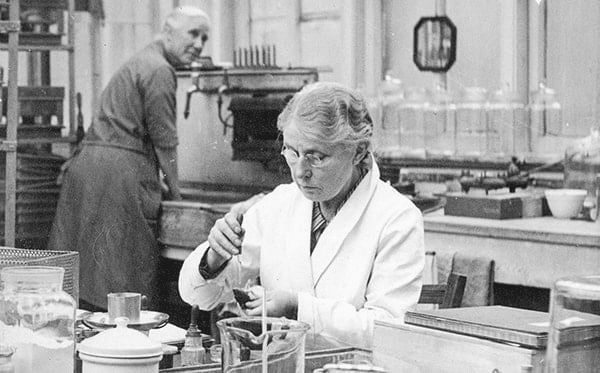
The Lister Institute of Preventive Medicine continues to influence the landscape of public health in the UK. Its research interests have expanded to include human biology, biochemistry, blood products, microbiology, immunology, vaccines, and antitoxins. The institute’s fellowship programme has enabled over 100 gifted young scientists to join world-renowned research communities across both academia and industry. Highlighting its profound impact on science, several of its staff and former students have been honoured with Nobel Prizes.
Lister Institute