

The bicycle is considered one of humanity’s finest inventions for personal transport. London was no exception, and this convenient mode of transport quickly became a fixture on its streets. The bicycle represents mobility, convenience, and accessibility for everyone. Read more at ilondon.
The arrival of the bicycle coincided with a period of significant social change in London. This two-wheeled conveyance travelled a long road, from the luxurious models of the Victorian era to the fast, modern designs of today. The history of bicycles in the UK capital spans over two centuries and is a vital part of the development of the city’s environment.
Through the Pages of History
The bicycle first became fashionable in the 19th century, but this popularity was cyclical, with bicycle booms being followed by sharp drops in interest. Bicycles first appeared in the metropolis in 1818. Coachmaker Denis Johnson improved upon the original design by Karl von Drais. His new designs lacked the pedals that characterise modern bicycles; instead, this form of transport moved by the rider’s feet pushing against the ground. Although popular at the time, it was difficult to cycle uphill and risky to descend slopes. Furthermore, riders were often ridiculed in newspapers and on the streets, and the London College of Surgeons even condemned cycling, calling it dangerous.
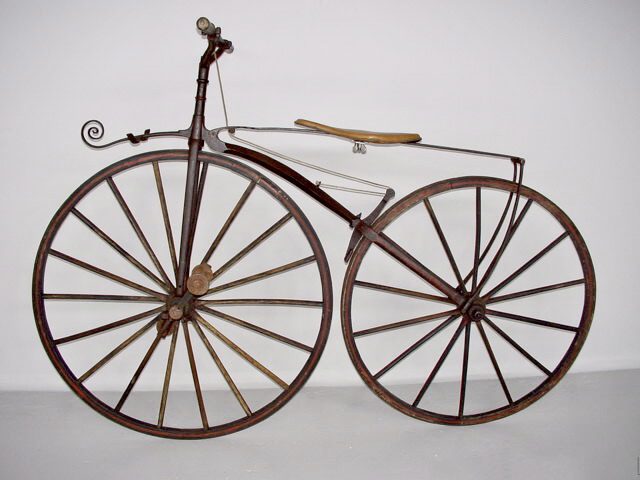
As a result, these models quickly lost their prominence. However, a few years later, a series of design changes were proposed and tested to eliminate the flaws. These included three-wheeled models and tandem bicycles, but they too failed to gain widespread popularity. It was not until the 1860s that the first “true bicycles” were invented, which moved when the rider pressed the pedals with their feet. Following this, the bicycle gained great popularity.
Initially, they were called “velocipedes” and lacked suspension. With further improvements, the rider was placed above the front wheel, allowing them to extend their leg with each cycle for maximum power. This led to the creation of the familiar, modern bicycle known as the “penny farthing.” However, the early models proved unstable, as riders were frequently thrown over the handlebars. This type of transport was popular among young men who enjoyed taking risks. The village of Ripley, located on the London-Winchester route, was declared the “Mecca of all known cyclists.” In 1878, the “Bicycle Union” was established in London, becoming the first association for cyclists to regulate races and protect their rights.
Modern Cyclists
Many London riders joined the cycling clubs that were being formed during this period. They went on shared excursions, races, and leisure trips. The first modern bicycle, which featured pedals and rear-wheel motion via a chain mechanism, was the 1885 “Rover” safety bicycle. When the pneumatic tyre was invented three years later, a bicycle boom occurred, lasting through the 1890s. Beginners loved cycling in Battersea Park and Hyde Park, where they also learned to ride.
In 1889, models with drop frames appeared, which allowed women to cycle comfortably in long skirts. This granted women a great deal of freedom and opened up previously restricted opportunities. Feminists of the time even called for riding as a form of empowerment.
Development in the 20th and 21st Centuries
A new era of the cycling movement began in the 21st century. The period starting from the 1960s saw a decline in the use of bicycles for commuting due to the increased availability of cars. In 1980, Labour Party transport spokesperson Ken Livingstone promised the London Cycling Campaign to spend more funding on cyclists’ needs.
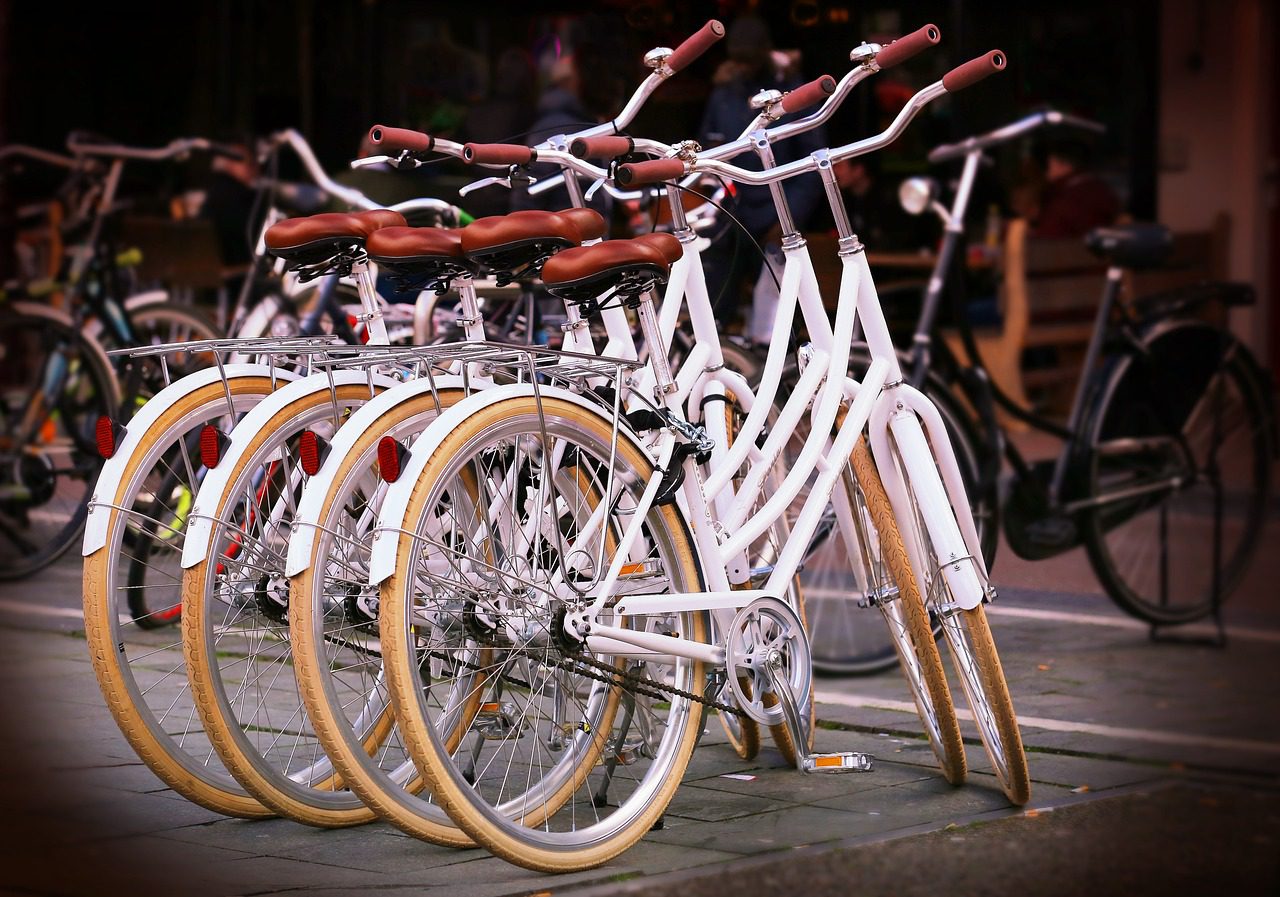
In 2000, Livingstone became the first elected Mayor of London, and in 2008, he set a goal to increase the number of bike trips by 400% between 2008 and 2025. Work began on improving and expanding cycling and pedestrian facilities, which included new bike parking at railway and tube stations. In 2010, the “Barclays Cycle Hire” rental system was launched.
Also in the same year, pilot routes for “Cycle Superhighways” were implemented, connecting the city’s major districts. This helped popularise bicycles. By 2020, cyclists accounted for 5% of traffic into the city centre.
Interesting Facts about London’s Cycling Movement
- Every year, RideLondon hosts the world’s largest cycling festival in the city. It includes an 8-mile cycle ride through the metropolis and a 100-mile challenge from London to Surrey, raising money for charity.
- The number of bicycle journeys in London has increased by 14% since 2008.
- In 1908, London hosted the Olympic Games, where cycling was a central event.
- Portsmouth Road was considered the most popular cycling route of the 19th century.
- The “Boris Bike” cycle hire scheme, which features 8,000 bicycles available at 570 stations, became the impetus for the cycling revolution in London.
- London’s first cycle path, between Hanger Lane and Greenford, was opened in 1934.
- The “Tweed Run” is an annual cycling event, started in 2009, which recreates the early years of British cycling by encouraging participants to wear tweed and vintage clothing and ride vintage bicycles.