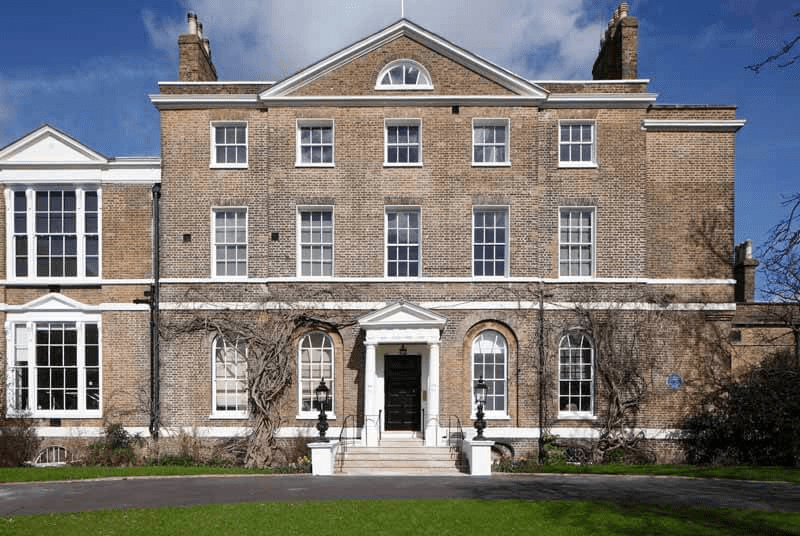

History is rich with tales of how hospices first emerged and spread across the globe. These are the places where people often spend the final years of their lives. Catering to patients with terminal illnesses, every action within these walls is dedicated to easing their final days. Despite the name (which shares its roots with “hospital”), a hospice is not a clinical institution in the traditional sense. It remains open to visitors almost around the clock, with a philosophy rooted primarily in continuous, compassionate care. While medicine remains an integral part of the service, the core idea is simple: providing maximum comfort when a person needs it most. While the UK is home to many such facilities, London boasts the oldest of them all. What is the story behind its evolution, and what makes it unique? Find out more at ilondon.
The History of Royal Trinity Hospice
Looking back at the global development of such institutions, it is worth noting that the earliest hospices were often situated alongside major thoroughfares. It is for this reason that the name is frequently linked to the word “guest.” These houses served as places of healing and rest for exhausted or ailing travellers, often monks and pilgrims. Over time, however, their primary function shifted significantly.
Royal Trinity Hospice was established in the late 19th century. In 1891, the search began for a home dedicated to those who could no longer be cured and were reaching the end of their lives. A pivotal role was played by the founder of C. Hoare & Co., who provided half of the necessary funds, while the remainder was raised through public appeals. The institution was originally named Trinity. Throughout its history, the hospice has seen constant expansion; the number of beds grew from just ten in 1894 to fifty-five by 1933. Various organisations, mostly religious, took charge of patient care at different stages. In 1896, for instance, the Society of Saint Margaret took over these responsibilities.
The 1960s brought transformative changes to Royal Trinity Hospice. New legislation and shifting practices aimed to pivot the focus of British hospices toward specialist palliative care. The primary goals became symptom relief and enhancing the patient’s overall quality of life—principles that became the hospice’s mantra in the years that followed. By the 1980s, a day centre for outpatients was opened. The turn of the 21st century saw a wave of modernisations to improve patient comfort, including the installation of en-suite bathrooms and balconies offering stunning views. Medical equipment was also upgraded, and dedicated spaces were created for consultations and family time.
Royal Trinity Hospice in Modern London
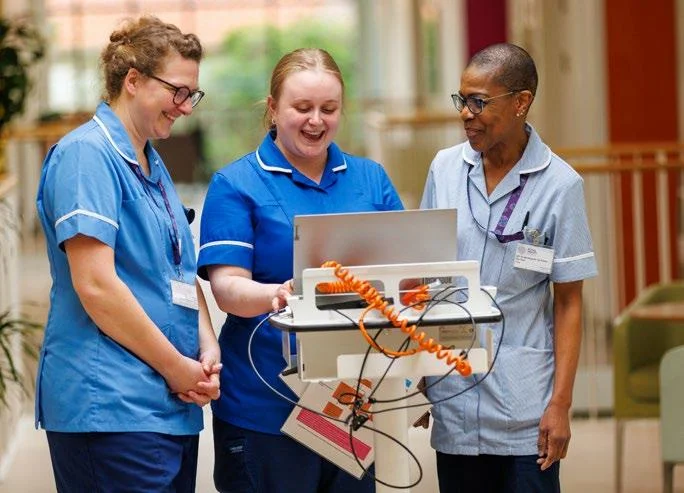
While the primary mission of Royal Trinity Hospice is end-of-life care, it also provides services for managing acute symptoms, after which patients may return home for rehabilitation. The hospice places a particular emphasis on supporting those living with dementia. Specialists offer consultations for relatives, help manage symptoms, and provide direct care within the facility. Furthermore, home care remains one of their most sought-after services. This is particularly accessible for residents of Wandsworth, where the Wandsworth Care Coordination Service organises nurses, therapists, and volunteers, as well as the delivery of specialist equipment. Ultimately, Royal Trinity Hospice stands as a testament to the dedication of true professionals.