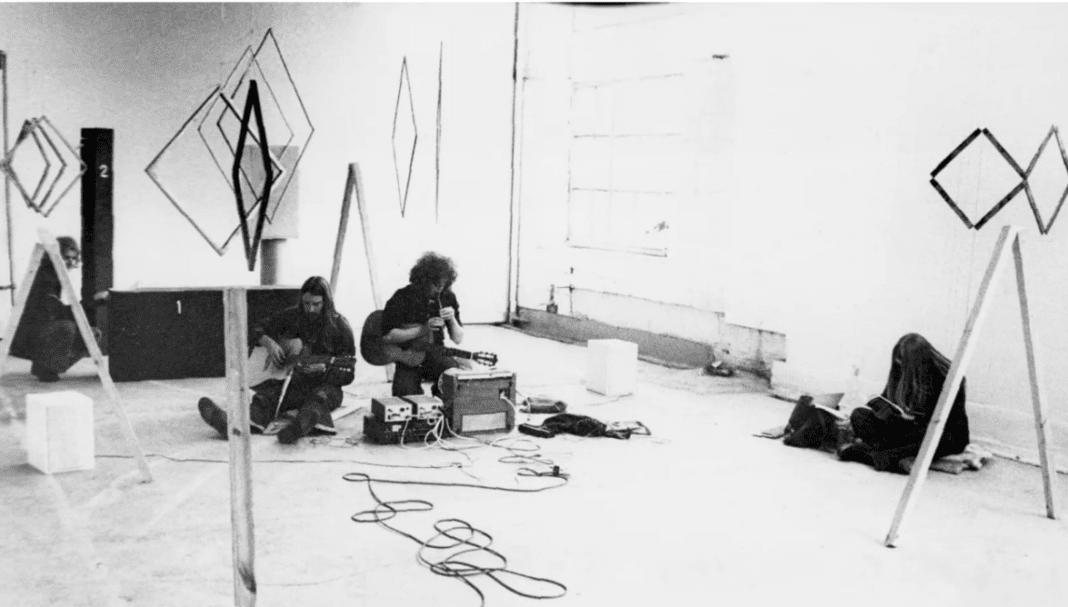

SPACE stands as London’s oldest artist studio organisation. By providing the public with affordable creative hubs, it has fundamentally shaped the development of the artistic community both in the capital and across the country. More at ilondon.
The Founding and Evolution of SPACE
After a visit to New York, artists Bridget Riley and Peter Sedgley returned to London with an ambitious vision. In 1968, they turned that dream into reality by founding SPACE. What began as an initiative to document artworks soon evolved into the creation of fully functional studio spaces.
With backing from the Greater London Council and the Arts Council of Great Britain, Riley and Sedgley merged the SPACE and AIR (Artist Information Registry) projects. Capitalising on the global decline of shipping and manufacturing, the partners scouted for premises among industrial ruins. While they initially considered the empty Marshalsea Prison, they eventually settled on a warehouse at St Katharine Docks.
By 1970, their operations expanded to studios on Martello Street in Hackney and a former school in Stepney Green. These sites offered vast environments, providing hundreds of square metres per artist and housing hundreds of studios for the entire collective. Having secured these new locations, the projects consolidated into a single registered charity in 1974.
While SPACE provided the physical workshops for creation, AIR ensured the artists’ work remained visible and accessible to the professional community. Placements were awarded on a straightforward “first-come, first-served” basis, provided the available space suited the artist’s specific practice. It wasn’t long before creators could showcase their work to audiences within the vibrant atmosphere of their own studios. By 1975, this innovative exhibition format evolved into an annual public event known as Open Studios.
During this era, SPACE and AIR grew rapidly through grants from the Arts Council and private trusts. To safeguard against potential funding cuts, they established the “Friends of AIR and SPACE” fundraising group in 1986. Maintaining its independence, the organisation continued to champion the cultural community, acting as a vital intermediary between artists, commercial businesses and government bodies.
Following the loss of the AIR Gallery, SPACE intensified its role as a key driver of creative development, focusing on the opening of new sites and infrastructure. In 1999, the team launched the Bridget Riley Studios, featuring the “SPACE Place” media training centre. This was followed in 2003 by the opening of “The Triangle,” a 4,000-square-metre headquarters. Supported by the London Development Agency, the ERDF and Arts Council England, the hub became a catalyst for new gallery and educational programmes.
In 2016, SPACE expanded its reach to Colchester, Essex. By 2020, the team joined forces with Second Floor Studios & Arts and the Artists Studio Company to form London’s Affordable Artists Studio Network. The coalition was created to advocate for the interests of the affordable studio sector across the capital.
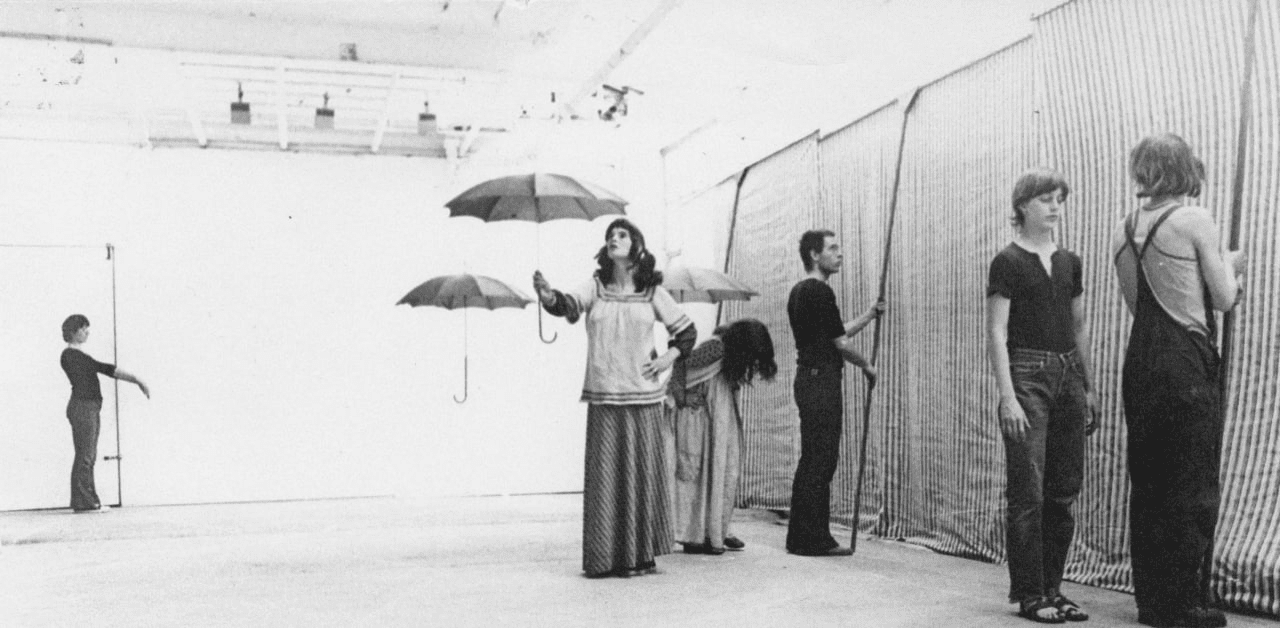
Space Studios
Legacy and Impact
Today, SPACE provides affordable studios for over 800 artists across 20 buildings in London and Colchester. It has paved the way for renowned figures such as Alison Wilding and Paula Rego. Through bursary partnerships with Alumno, the Valerie Beston Artist Trust and New Contemporaries, the organisation has provided free studio space to emerging talents including Emma Prempeh, Corsin Billeter and Tahmina Negmat.
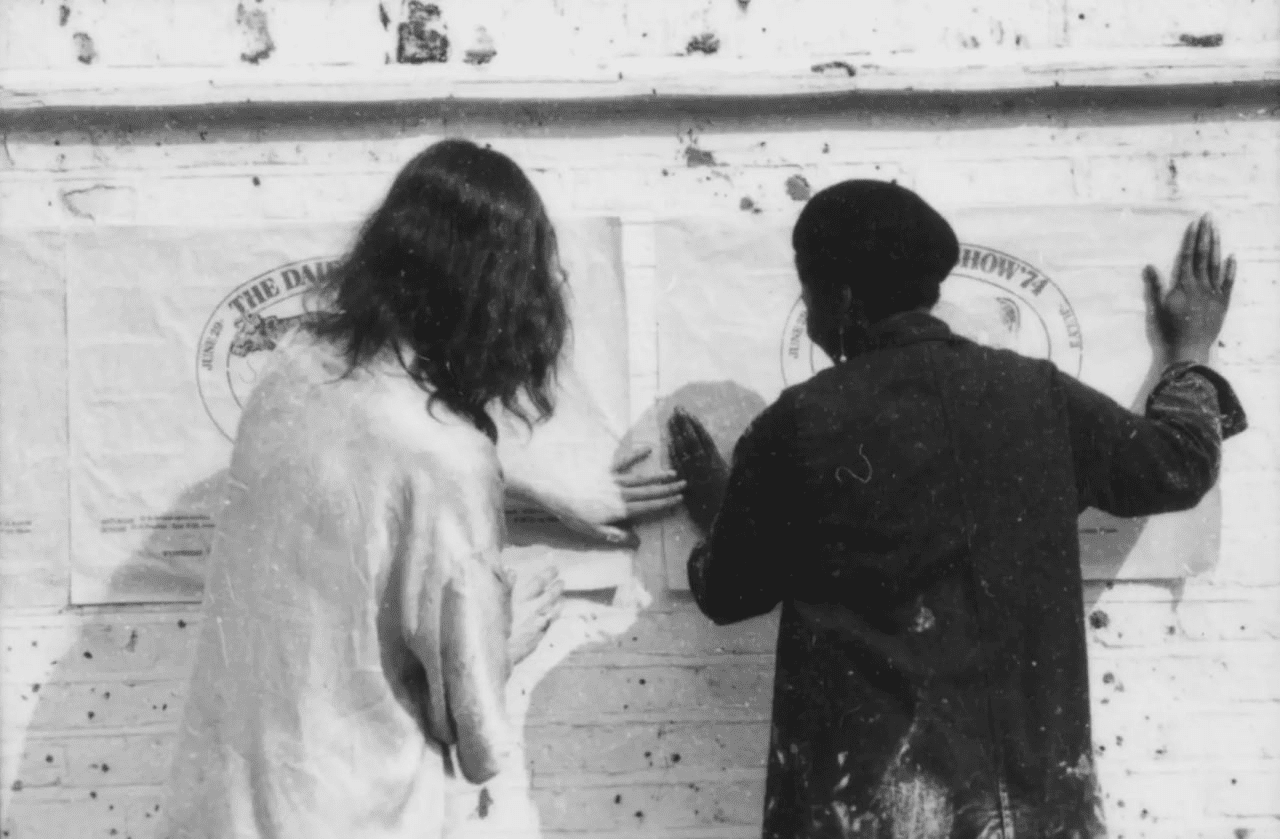
Space Studios