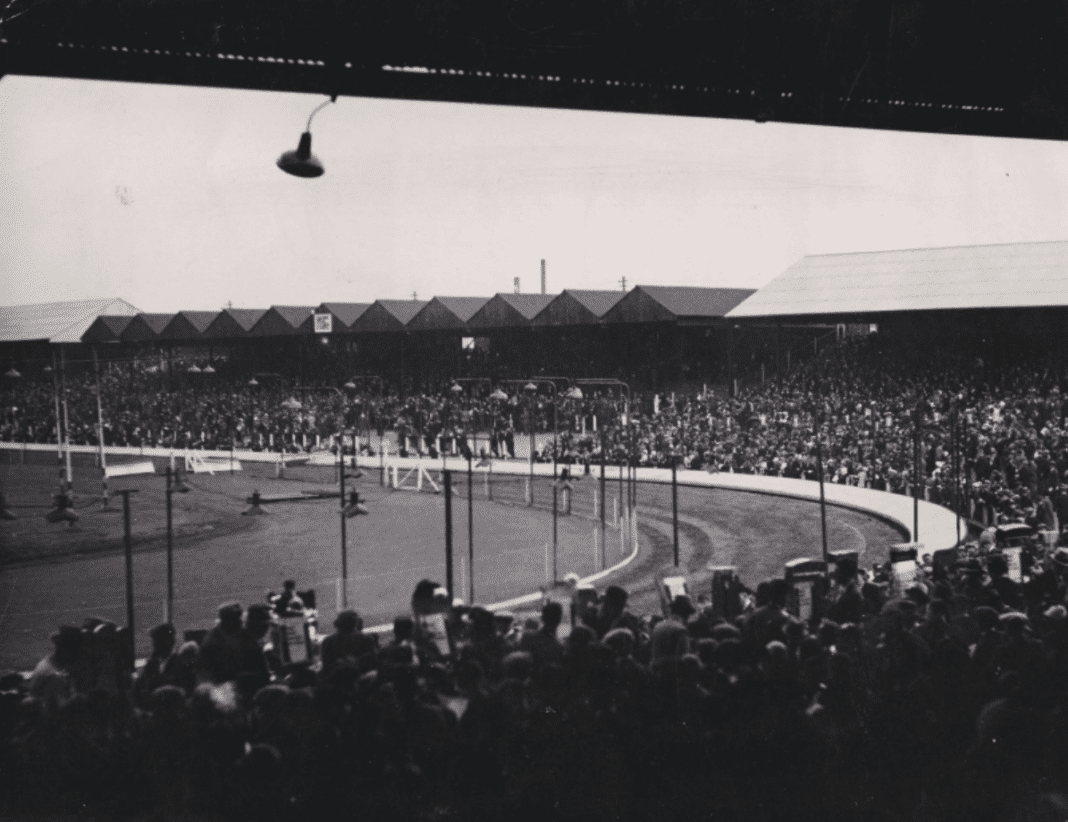

Among British dog tracks, Harringay Stadium stood out for its special atmosphere. In place of gourmet restaurants and sparkling wine, it offered beer, hot chips, and humble kennels for the four-legged competitors. Over the years, the sporting venue earned a reputation as one of the best racetracks in the country, drawing thousands of spectators and nurturing legendary greyhounds. Read more at ilondon.
History of the Founding and Development of Harringay Stadium
In 1927, a new stadium, Harringay, was established on the site of an old slag heap and rubbish dump. Built for £35,000, it came under the management of the Greyhound Racing Association (GRA). The opening of the sports venue attracted 35,000 spectators. Despite continuous rain, the first race, the Chorley Wood Stakes, was held successfully. It was won by the greyhound Ballard Castle over a distance of 500 yards in 30.8 seconds.
Although Harringay Stadium initially had a simple architectural design, it could accommodate 50,000 spectators. In the following years, it underwent expansion: new stands were erected around the track, and a bar was added to the main grandstand. One of the most notable innovations was the Julius Tote, an electromechanical device for calculating bets. It was installed in 1930 and remained in operation until the closure of the sports facility.
With the onset of World War II, major competitions suffered greatly. The 1940 Greyhound Derby faced significant difficulties when White City cancelled the already commenced event. The race was relocated to Harringay Stadium, which provoked discontent within the industry. The press dubbed the event the “Forgotten Derby.” For the next four years, racing was restricted to Saturday morning meetings.
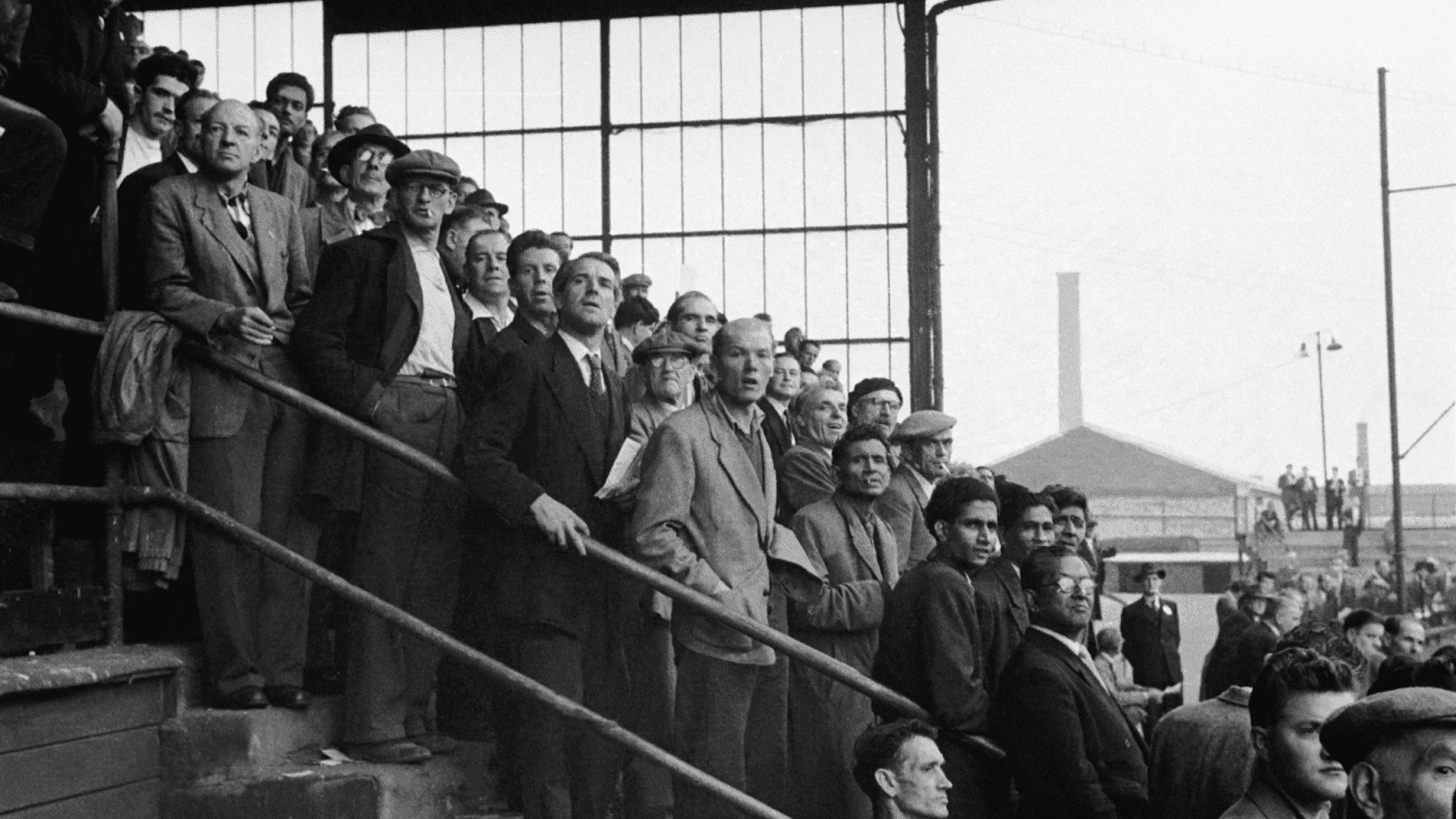
In the 1950s, the grandstands at Harringay Stadium received a glass facade to house a restaurant, and the venue offered 14 buffets and 10 licensed bars. Its reputation was so high that the Sporting Life publication named the stadium the “best track in Great Britain.” In 1957, racing manager Harold Ingleton resigned and was replaced by Ken Obi, who previously worked at Stamford Bridge football stadium.
In late 1968, new stands were built at Harringay Stadium, the track surface was improved, and new distances of 450, 725, and 900 yards were introduced. In 1971, eight-dog races were trialled here. Between 1972 and 1982, the sports venue experienced a period of glory, becoming the home for races featured on the “World of Sport” programme on London Weekend Television.
In 1986, plans were announced to sell the greater part of Harringay Stadium. The GRA director, Charles Chandler, planned to build a new one modelled after Stamford Bridge, but this project was never realised. Due to the high cost of the land, the sale process accelerated. The legendary tote board was dismantled, and its parts were transferred to the Science Museum in Roughton. The stadium was bought by the local council and the McAlpine Homes company, turning it into the subject of numerous appeals. Ultimately, it was demolished, and a residential complex and a Sainsbury’s supermarket were built in its place.
London Museum
Recognition and Significance of Harringay Stadium
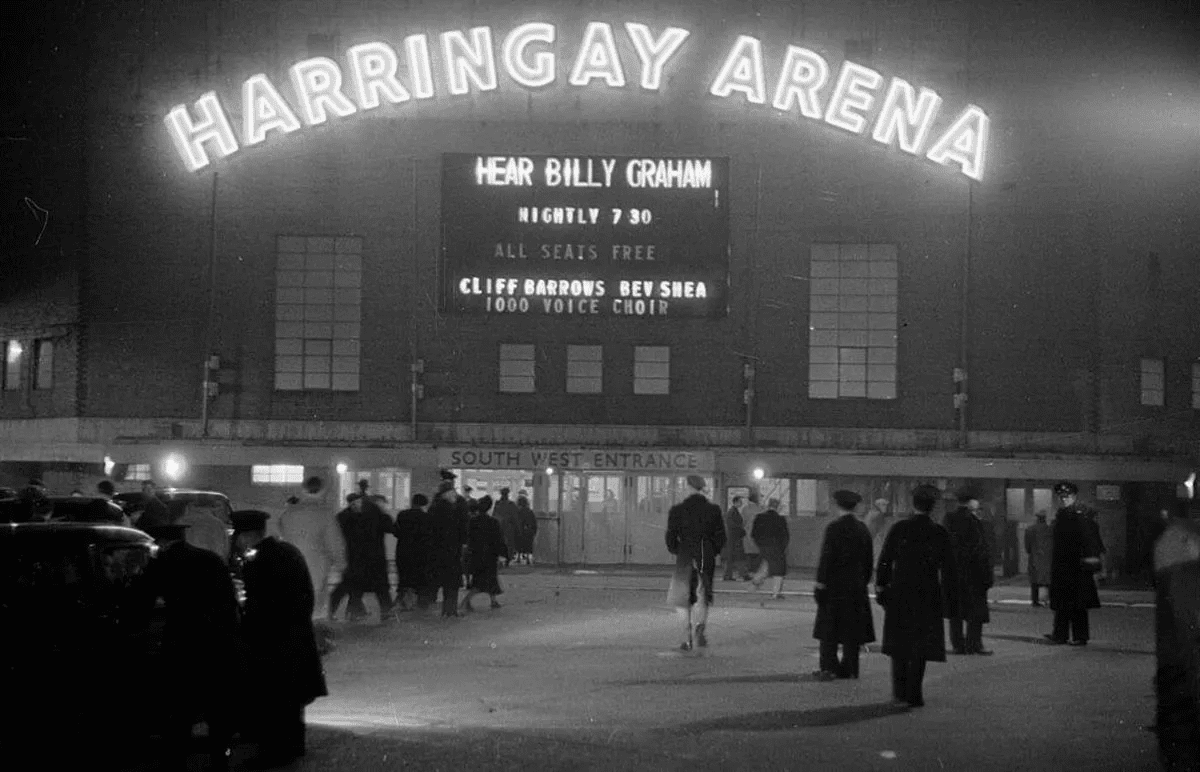
Harringay Stadium was the main venue for not only greyhound racing but also motorcycle speedway in Harringay. The high standard of competition organisation and modern infrastructure made it one of the best racetracks of its time. Prominent trainers involved in the venue’s development included Jack Kennedy, Leslie Reynolds, Jack Harvey, William Spoor, and Reginald Gray. Thanks to their work, many greyhounds achieved outstanding results in prestigious competitions, such as The Oaks, Pall Mall Stakes, Golden Jacket, National Sprint, and Produce Stakes. Furthermore, the speedway teams competed under names such as the Hackney Wick Wolves, Hackney Hawks, Hackney Kestrels, and London Lions.
MyLondon