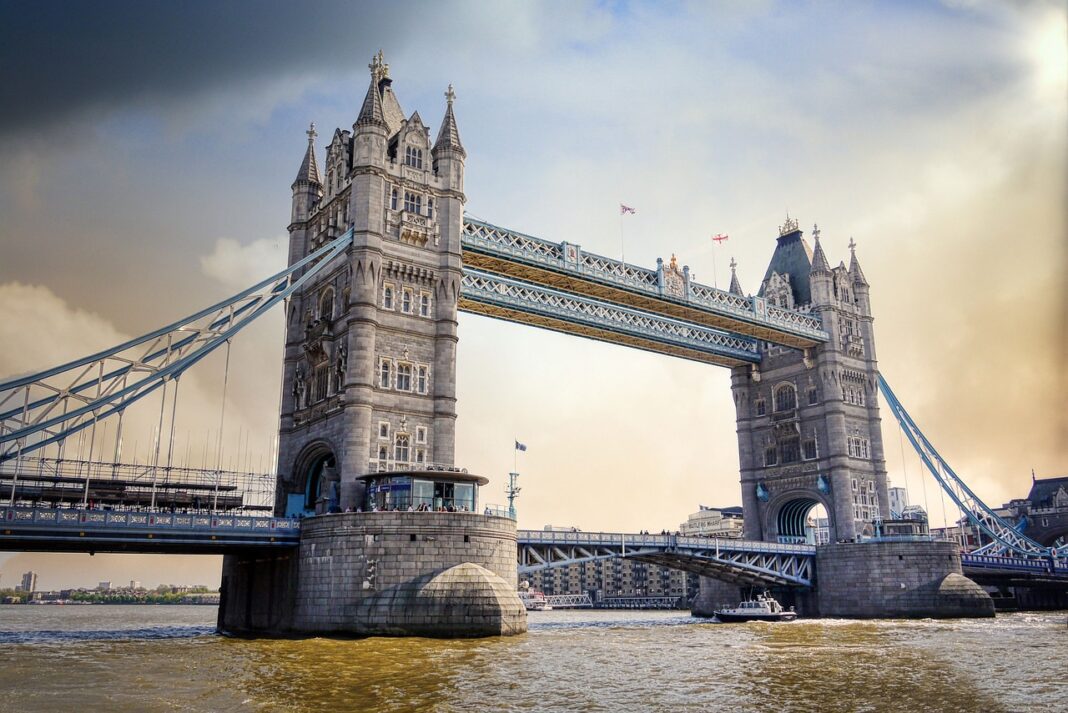

London is one of the world’s greatest cities, boasting a history spanning nearly two millennia. It is the metropolis of Great Britain and the country’s transport and economic hub. It is a beautiful, cosmopolitan, and fast-paced city that draws people in. Read more at ilondon.info.
The city’s privileged location in South East England has always been used to its advantage, making the metropolis consistently wealthy and densely populated. Londoners have endured the plague, fires, wars, bombings, and various terrorist attacks, yet they remain unconquered and resilient.
Through the Pages of History
Historical sources indicate that the first settlements on the territory of modern London existed as early as 4500 BC. There is very little information about the lives of people during that time. The city itself was founded by the Romans, who named it Londinium. It was situated at a point where the River Thames was narrow enough to build a bridge. The London Wall was constructed between the 2nd and 3rd centuries AD, and sections of this wall can still be seen today near the Tower Hill gardens. By the 5th century, the Roman Empire was in decline, and as the occupation became untenable, Londinium was simply abandoned. This situation allowed the Anglo-Saxons to settle in the area.
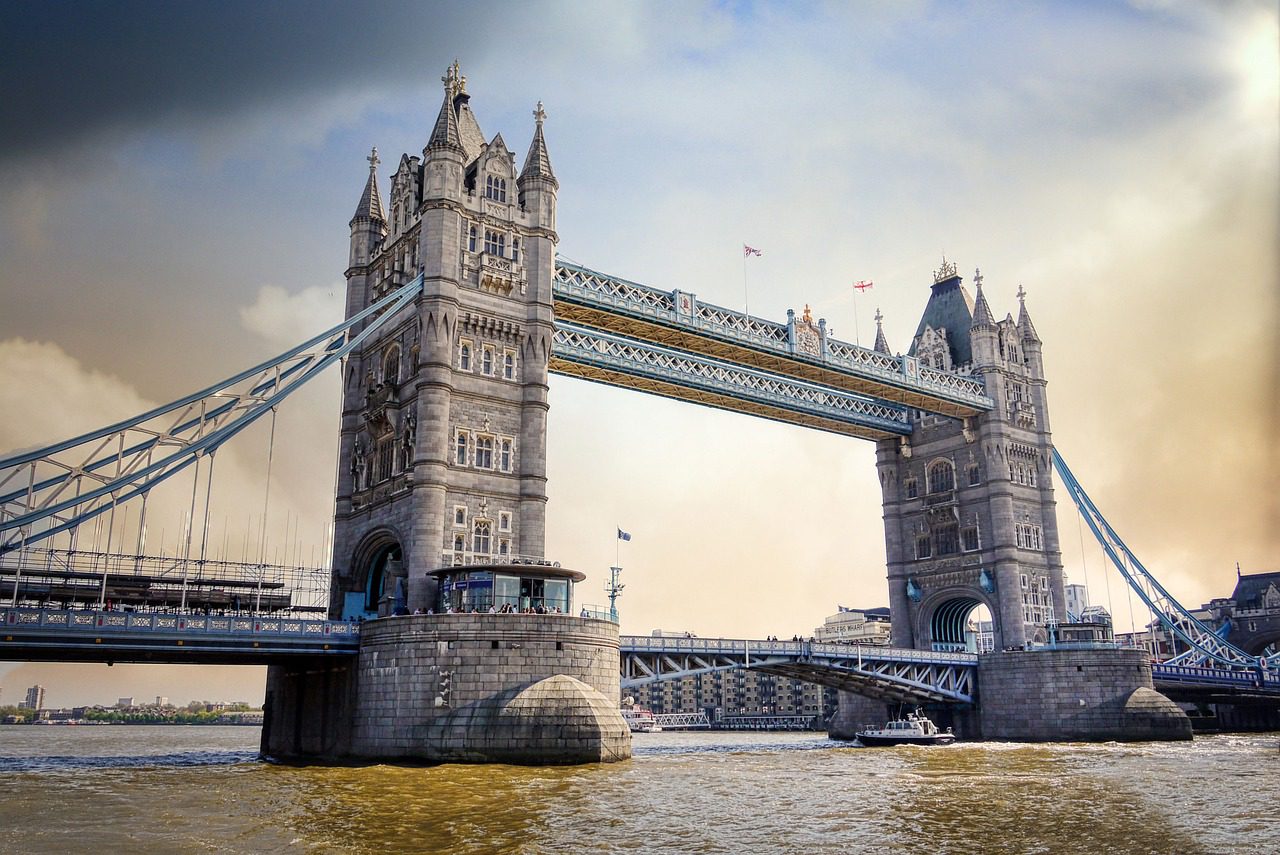
In the Mediaeval period, after the capture of London (then known as Lundenburg), it returned to Anglo-Saxon control in 886, thanks to the armies of King Alfred the Great. During his reign, the city developed, gained political significance and wealth, and fortified settlements began to appear.
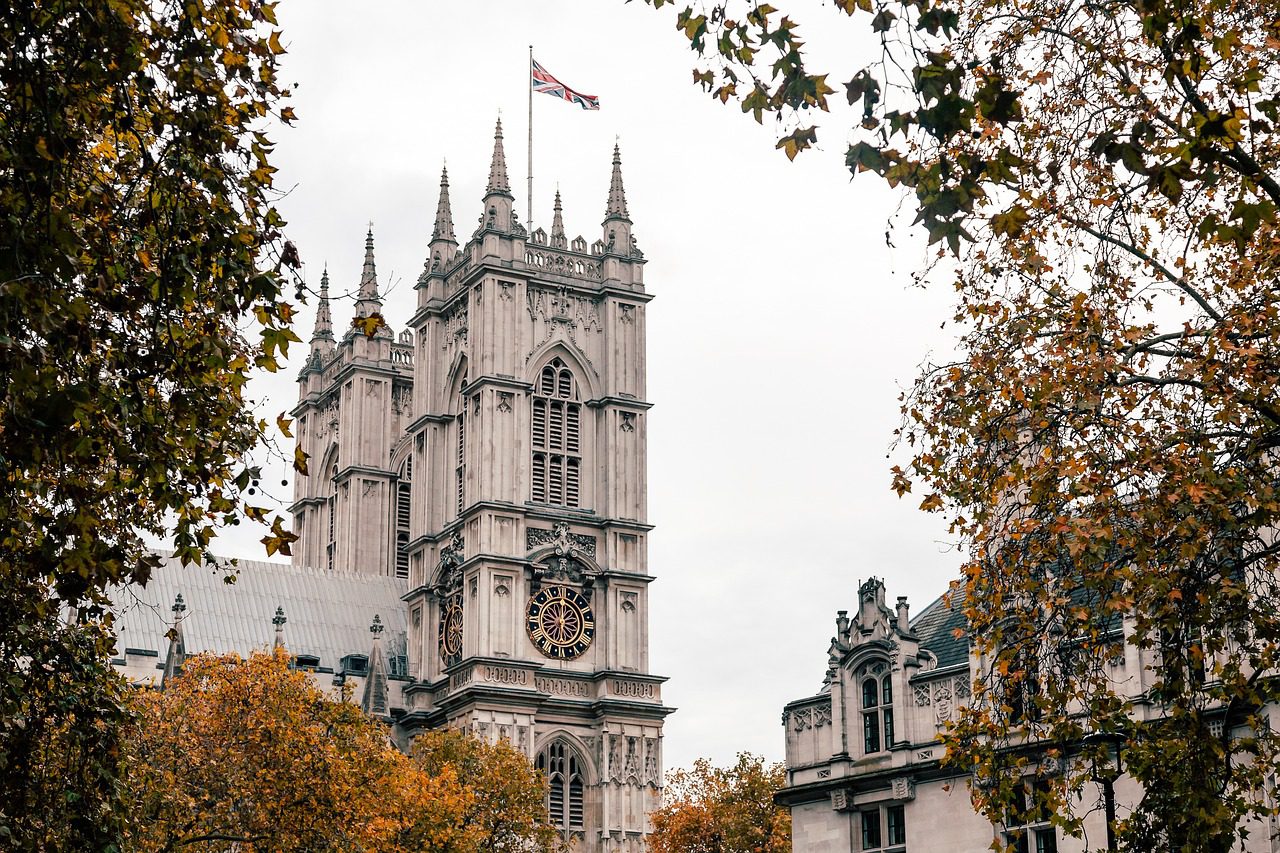
In 1042, when the city was under Danish rule, English governance was restored. It was then that Westminster became the governmental centre; Westminster Abbey itself had been founded earlier in the late 970s. Throughout the Mediaeval period, trade grew and the population increased. London quickly became a major European hub for the distribution of goods.
City Expansion and Catastrophes
The 16th and 17th centuries saw the creation of monopoly trading companies that played a leading role in British imperialistic and colonial practice. Consequently, London became a prominent European trading hub. The metropolis gained international influence, power, and became exposed to global change. In less than 100 years, between 1530 and 1605, the city’s population quadrupled, leading to large-scale urban planning.
The large number of people, poor sanitation, and difficult living conditions inevitably took their toll on London, leading to repeated outbreaks of the plague. Famously, the Great Plague of 1665 claimed the lives of a fifth of London’s population. The next disaster was the Great Fire of London, which occurred in 1666. A monument still stands today to commemorate this terrible fire, which destroyed the greater part of the City of London. This disaster was followed by a major reconstruction of the city, which defined the modern look of the City district for many years to come. Institutions like Kensington Palace, St Paul’s Cathedral, and the British Museum were built during this period.
In the 18th century, the city expanded even further with the construction of new bridges, ports, and districts. It was also during this period that Buckingham Palace became the residence of the monarchs.
The Modern City
The 20th century was also challenging for London, as the World Wars dramatically changed the metropolis. Extensive bombings caused massive destruction across the city. The history of the war can be explored in many London museums dedicated to the British armed forces and military actions, notably the Imperial War Museum, HMS Belfast, and the Churchill War Rooms.
In the second half of the century, the city became a hub of youth culture, particularly in areas like Camden Town and Shoreditch. In the 21st century, the city administration has organised many major projects. The most famous of these is the London Eye, which opened in 2000. Later, iconic landmarks and buildings followed, including the Walkie-Talkie building and The Shard. In 2016, the number of visitors reached a record high of 37.3 million people, making London one of the most visited cities in Europe.