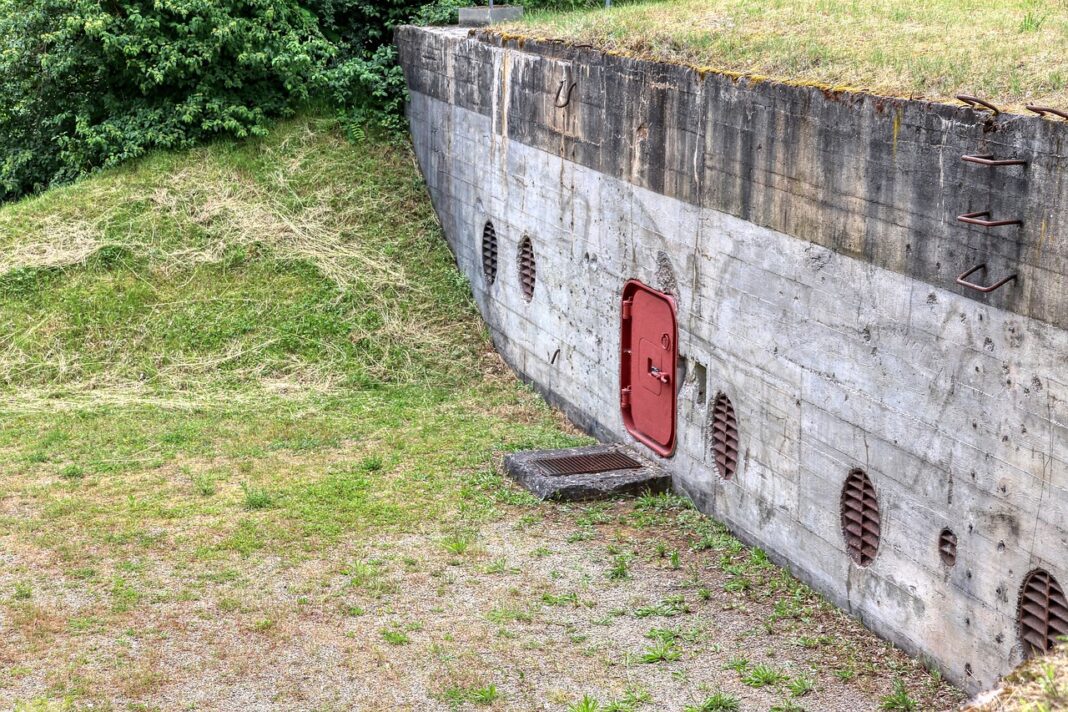

During the Second World War, London’s air raid shelters saved thousands of people from the deadly bombs dropped by enemy aircraft. These overcrowded refuges became a defining feature of the city’s wartime landscape. They protected the metropolis’s residents during air raids and bombardments. Read more at ilondon.info.
People also sought safety from the bombs in London Underground stations. Around 170,000 people utilised the Tube as a form of protection.
Historical Moments
Even before the start of World War II, discussions about London’s first underground shelters had begun. The country’s leadership understood the imminent threat of air raids and initiated the construction of shelters in large cities. The reality of the threat became especially clear after the German air raid in September 1917. On that day, 300,000 Londoners fled into the Underground, saving their lives. After that experience, it was understood that if another war broke out in the future, people would need places to hide.
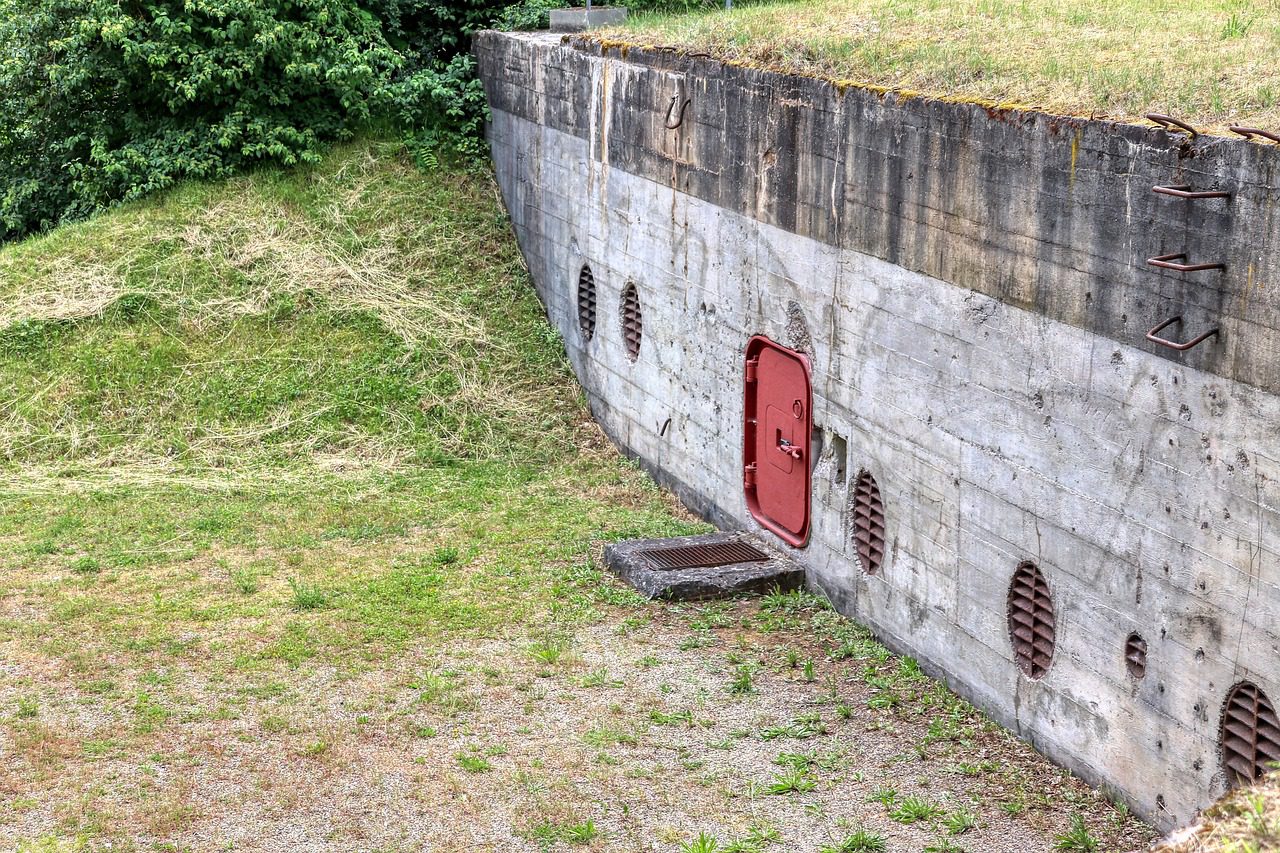
During World War II, the British government initially sought to organise shelters that encouraged people to disperse rather than gather in large numbers, hoping to prevent massive casualties in a single incident. At the time, many air raid shelters were small, squat concrete structures designed to hold about 50 people. They were dark, damp, and lacked sanitation and hygiene facilities. The structures were often poorly constructed and could be fatally dangerous. Later, these defects were addressed with blast-proof external reinforcements. Nonetheless, these shelters were never particularly popular.
Most people resorted to using trenches dug in parks. During the war, these were modernised, reinforced with concrete and metal, had their entrances sealed, and were covered with earth.
Anderson Shelters and Deep-Level Structures
A widely used type of air raid shelter in London was the Anderson shelter. These were small, corrugated iron structures that people could assemble in their gardens. Although Anderson shelters weren’t as strong as deep underground rooms, they provided protection from falling debris. These structures were provided to Londoners free of charge or for a nominal fee. They could accommodate up to six people and offered protection from explosions. By the start of hostilities, approximately 3.6 million Anderson shelters had been installed.
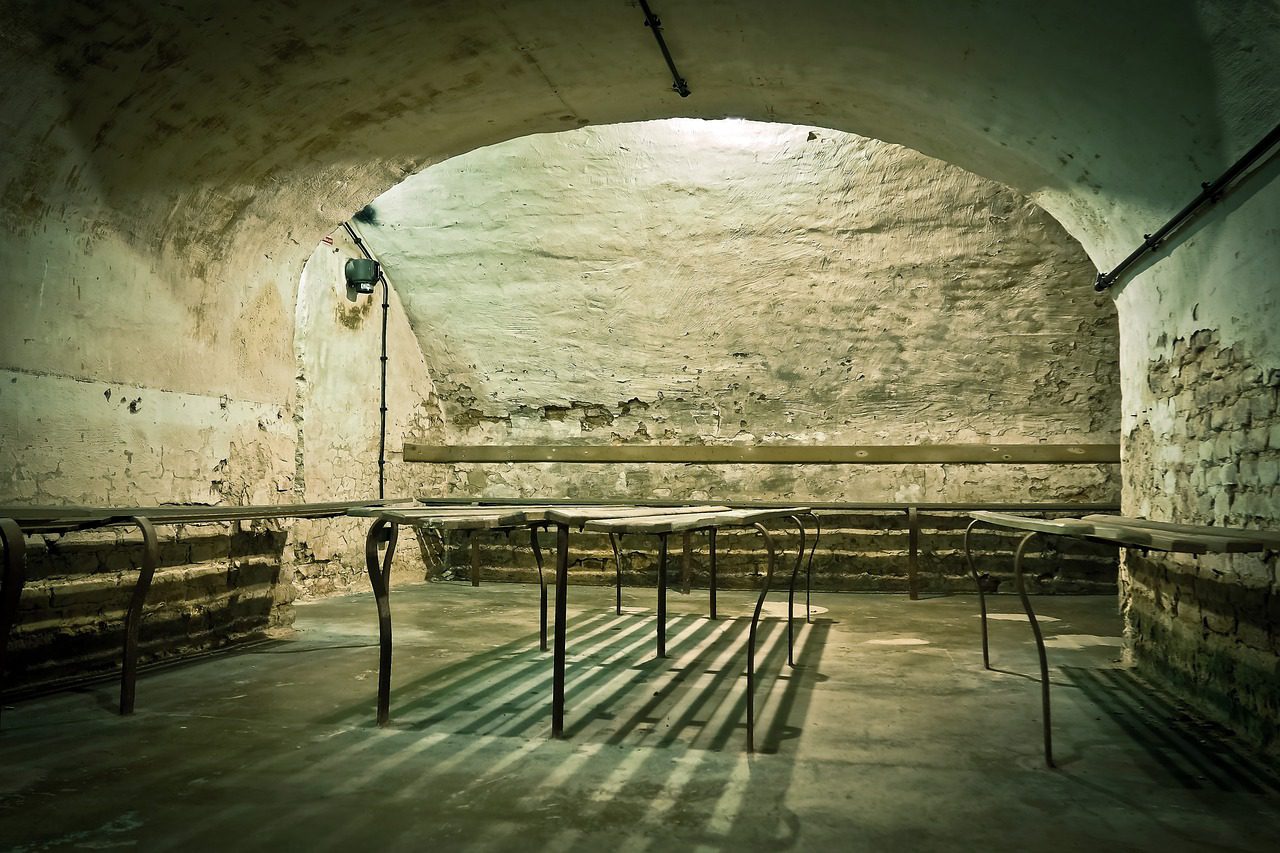
Special deep-level protective structures were also built, where not only civilians but also military personnel took shelter. They were constructed very deep underground and could hold up to 1,000 people. The most famous of these were located near the Tube stations at Clapham South, Belsize Park, and Goodge Street. They were even equipped with sleeping bunks, toilets, and medical aid posts. Their reliability was superior, but unfortunately, they couldn’t accommodate as many people.
Underground Tube Shelters
Initially, the authorities opposed using the Underground as a mass shelter due to overcrowding. If a bomb were to fall on a place packed with civilians, everyone would be killed. This tragic scenario played out in 1941 at Bank station, where a direct hit caused 111 casualties, and the blast wave travelling through the tunnel killed 60 people.
After their initial reluctance, the leadership had to change its mind because city dwellers were desperate to save their lives. During particularly heavy raids, tens of thousands of people waited in the tunnels for the all-clear siren. Unfortunately, tragic accidents regularly occurred in the tunnels. In March 1943, a woman and child stumbled near the stairs at Bethnal Green station, triggering a devastating crush. The resulting domino effect led to the deaths of 173 people.
While people perished from bombs on the surface, the Underground shelters suffered from overcrowding, lack of air, and poor sanitation. Sleeping space was scarce, and Londoners often argued over spots. The situation was tense because air raids most frequently occurred at night, leaving people sleep-deprived, agitated, distressed, and terrified. Another issue was that people stayed in the Tube for much longer than the bombardments lasted, leading to queues forming hours before the evening siren just to secure a place.
Ultimately, London’s air raid shelters are a critical part of the city’s wartime history, having successfully saved thousands of civilian lives.