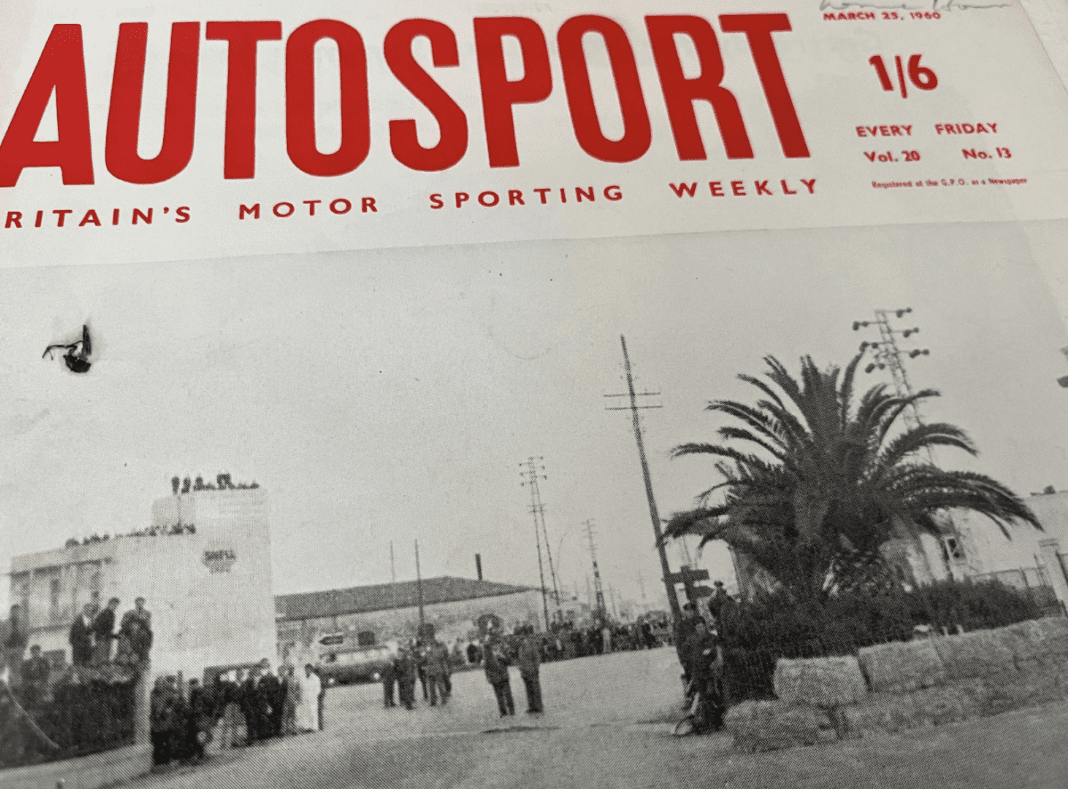

In the mid-20th century, Autosport magazine took on the responsibility for covering topical motorsport events in Great Britain. Thanks to its in-depth analytical articles, exclusive interviews, and historical retrospectives, it remains an authoritative resource for commentators, racers, and fans. Read more at ilondon.
History of the Founding and Development of Autosport Magazine
British journalist and racing driver Gregor Grant founded Autosport magazine in 1950. Securing the support of industrialist and racer Denis Poore, he brought together a number of regular contributors and photographers from across the country. Together, their goal was to develop a resource that covered all motorsport events—from the biggest international races to local club meetings. The publication aimed not just to report results but also to tell the stories of prominent personalities, their achievements, and the cars themselves.
The debut issue of Autosport was quite modest by modern standards: 36 pages printed on smaller-than-A4 paper. Nearly 29 of those pages were dedicated to editorial content, rather than advertising or commercial blocks. The first issue included a review of numerous club competitions and discussions on the technical aspects of motorsport, notably comparing independent suspension with coach springs.
The establishment of Autosport took place during a difficult period when the UK economy was still grappling with the aftermath of World War II. Paradoxically, it was these widespread constraints that contributed to its popularity. The editorial production process clearly illustrates the state of publishing at the time. Materials for publication were delivered by rail every Monday morning and processed using letterpress machines with hot metal typesetting. Meanwhile, photographs were reproduced using copper plates.
Soon after, Michael Heseltine purchased Autosport, making it part of the Haymarket Media Group. Following the deal, founder Gregor Grant stepped down, and Simon Taylor took over the editor’s chair. This change in leadership marked the beginning of a new era for the publication, granting it access to the wider financial opportunities and resources of a major media group.
Subsequently, Autosport faced a series of serious challenges. The first major hurdle was a paper supply crisis that directly threatened its existence. The editorial team later had to overcome the fallout from printers’ strikes that disrupted the publication’s regularity. 1974 proved especially difficult, as the country’s energy crisis led to the implementation of a three-day working week.
The advent of the internet created both challenges and new opportunities for Autosport magazine. In the second half of the 1990s, the Autosport.com website was launched, which largely took over the function of swift news reporting. This allowed the print version of the magazine to focus on deeper aspects—analytical articles, interviews, and opinion columns.
In the early 2010s, Autosport focused on themed issues. Special categories dedicated to iconic motor racing eras—specifically coverage of Group C sportscars and Super Touring cars—gained particular popularity. In 2016, the publication became part of the global media company Motorsport Network.
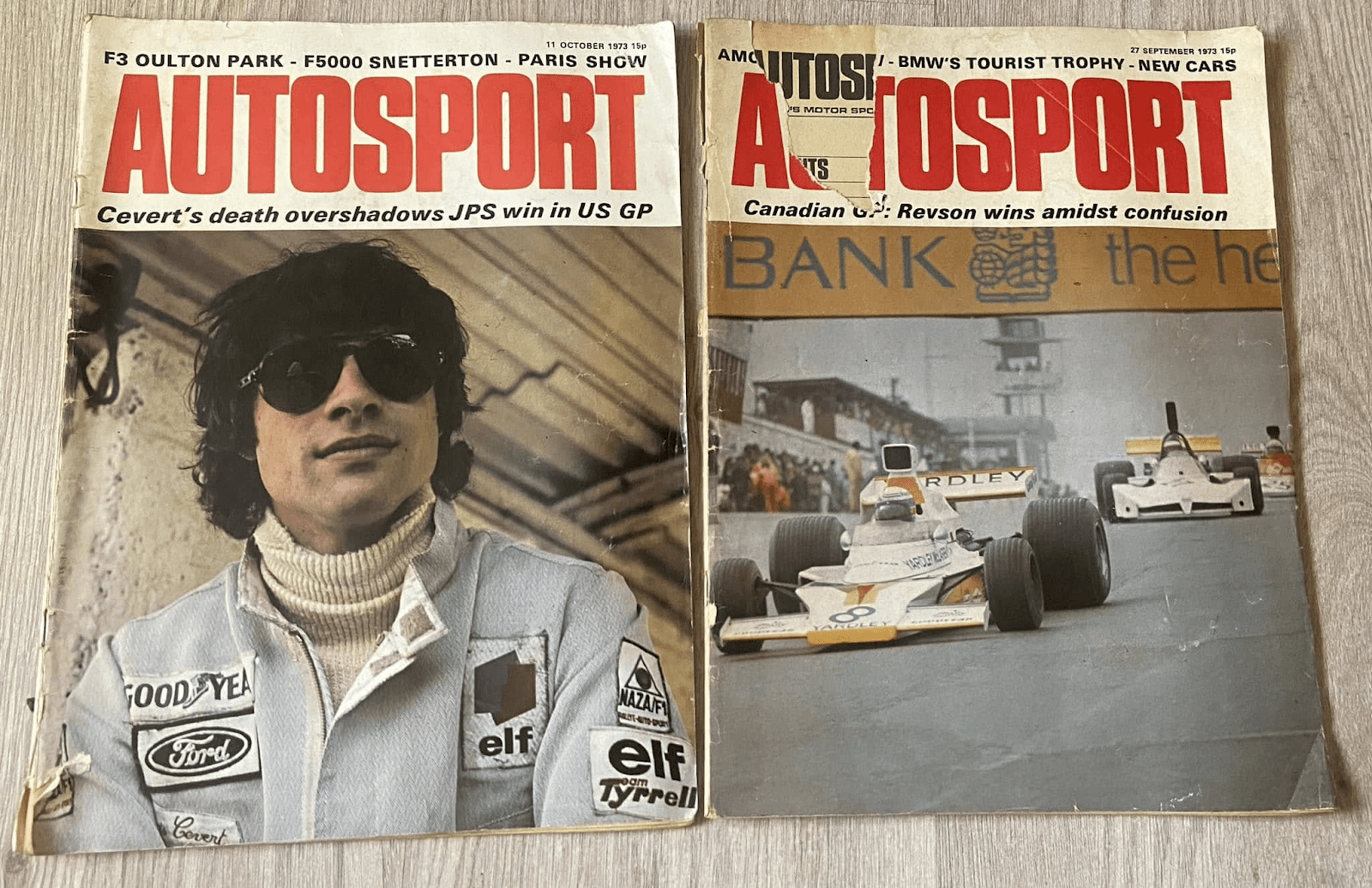
Peter Hayes
The Legacy and Significance of Autosport Magazine’s Work
Over more than 70 years, Autosport magazine has transformed into a global motorsport publishing brand. Editors such as Pete Lyons, Nigel Roebuck, Quentin Spurring, Peter Foubister, and Bruce Jones played a crucial role in its development. By producing reports, analyses, in-depth interviews, and historical retrospectives, they created unique content for true motorsport enthusiasts. Furthermore, the publication expands its audience through a range of sub-brands, including Performance, Engineering, Historics, and National.
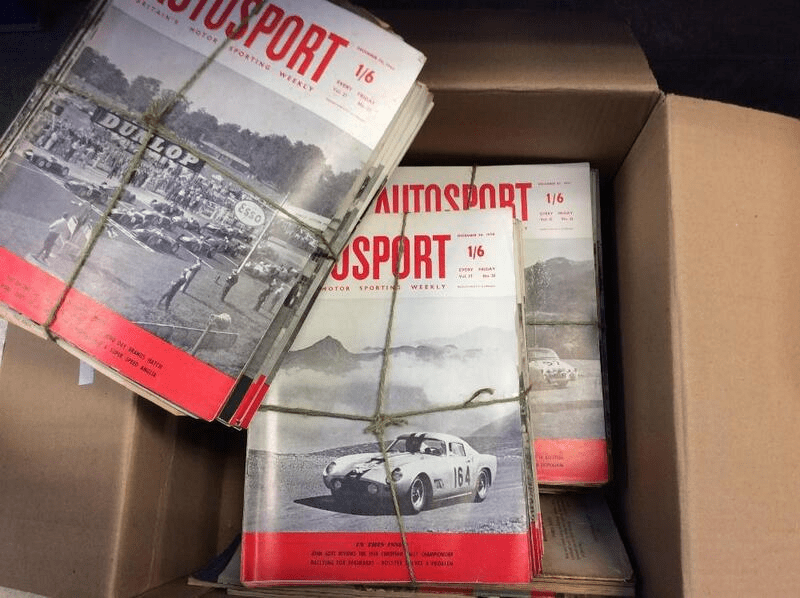
Auctions – Hansons Auctioneers