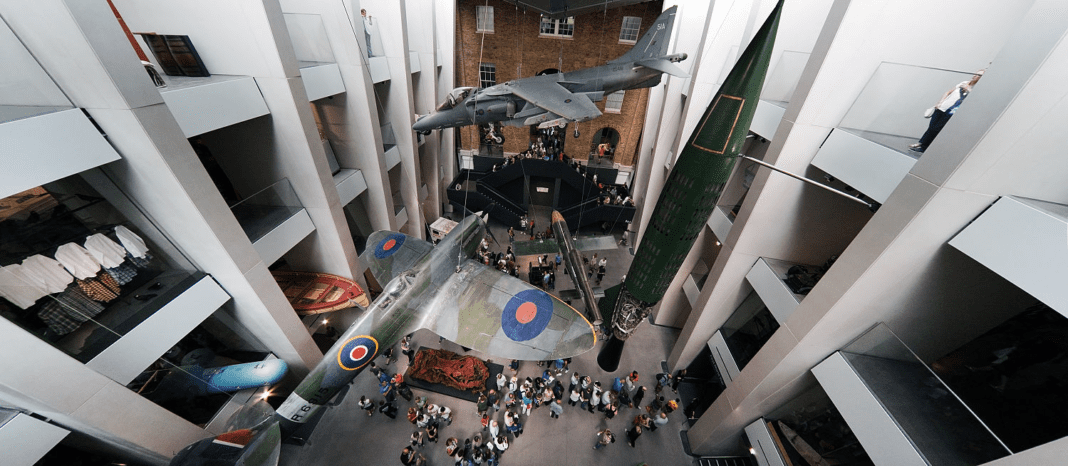

For those who want to see firsthand the power and destruction of any war, London can offer one of the world’s largest museums dedicated to it. Its majesty is impressive and, at the same time, frightening. The Imperial War Museum presents a lot of exhibits, such as a variety of equipment, collections of unique photographs, historical documents, works of art and much more. The museum fund was being replenished with objects devoted to armed conflicts, starting from the 20th century. So what can the museum reveal and why are its exhibits so admired? Learn more at ilondon.info.
Ideas that turned into reality
The history of the museum began with the idea to tell ordinary citizens the history and experience of the war. In 1917, during the First World War, authorities decided to establish a national war museum. Its collections were rapidly replenished and the museum developed rapidly. From the first day of its existence, the museum paid huge attention to Great Britain and its participation in the war. In December 1917, the institution was given a new name, which didn’t change since then and could be seen at the entrance to the museum. Despite the fact that the museum has been operating for quite a long time, it was first opened to the public in 1920. At that time, there were discussions in society about the correctness of such a decision. Some insisted that large-scale war events should never be forgotten, while others didn’t understand why the tragic past should be highlighted. But in any case, the museum became very popular and highly visited.
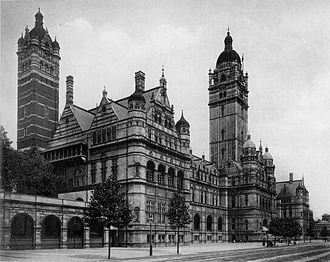
World War II was a turning point in the institution’s history. Although it brought a lot of new unique exhibits and expanded the collections, the museum started to decline in the post-war period. In 1940, the museum was closed to visitors and the building became a venue for lectures on civil defence or was used for the repair of state transport. In 1941, several ship models were damaged and a seaplane was destroyed in one of the museum’s galleries due to bombing. After the war, the city started to plan its restoration. Step by step, the museum began to revive. Its representatives continued to search for new exhibits, but the institution returned to its usual state in the 1960s. Since 1966, the museum has undergone reconstruction and a significant number of expansions. Moreover, several branches of the museum were opened in various parts of London and other cities of Great Britain.
Museum’s location and architectural features
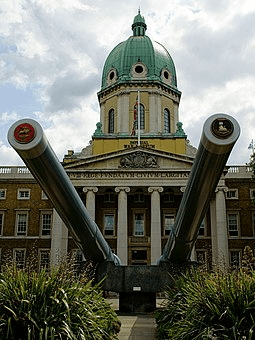
The main building of the museum, which is located in London, is eye-catching because of the huge 15-inch naval guns at the entrance. Despite the style of the building, you immediately understand that this place is associated with a military sphere. The museum is located in the building of the former hospital. The medical institution was created in 1814 for representatives of the upper class of society. Thus, the exquisite building had three floors, large grounds, an incredibly beautiful entrance, a theatre and an amazing copper dome. In 1930, part of the building was demolished, which significantly affected its appearance. The museum moved to this building in 1936. The main art gallery was located on the first floor, the marine gallery in the eastern part and the air force gallery in the former theatre. Also, there was a library on the second floor. The exterior and interior of the museum underwent more significant changes during the global reconstruction.
Reconstruction of the museum
The first stage of large-scale reconstruction began in 1966. The building was significantly expanded and a cinema was opened. In 1968, the museum suffered a fire, which was set by a protester against the display of military objects to children. Thus, the museum lost a large number of unique documents, books and other exhibits. In 1983, the issue of restoration arose again. The first stage was completed in 1989. It was focused on the former courtyard of the hospital. As a result, it was turned into the central gallery displaying the heaviest and largest exhibits of the museum. It demanded a special basement floor, which can withstand a large load. It demonstrated aeroplanes, ammunition and artillery pieces, tanks and other military vehicles. The second stage of reconstruction was completed in 1994. In 2000, the museum acquired a special exhibition dedicated to the Holocaust. It became the final stage of the restoration of the main building in London.
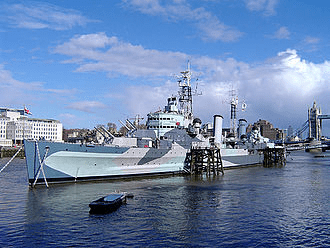
During the restoration process, the representatives of the museum also worked on the expansion of the museum’s branches in different cities of the country. In 1976, some of the exhibits were moved to the specially allocated site in Duxford. In July 2002, another branch was opened in Manchester. In London, in addition to the main building of the museum, everyone can also visit the legendary cruiser Belfast, which officially became a part of the museum in 1978. Churchill’s military rooms, which nowadays have turned into a whole complex for visitors, are also considered a part of the museum. These are underground premises located in the central part of London that previously served as the location of the British General Staff meetings.
Collections that will surprise and interest you at first glance
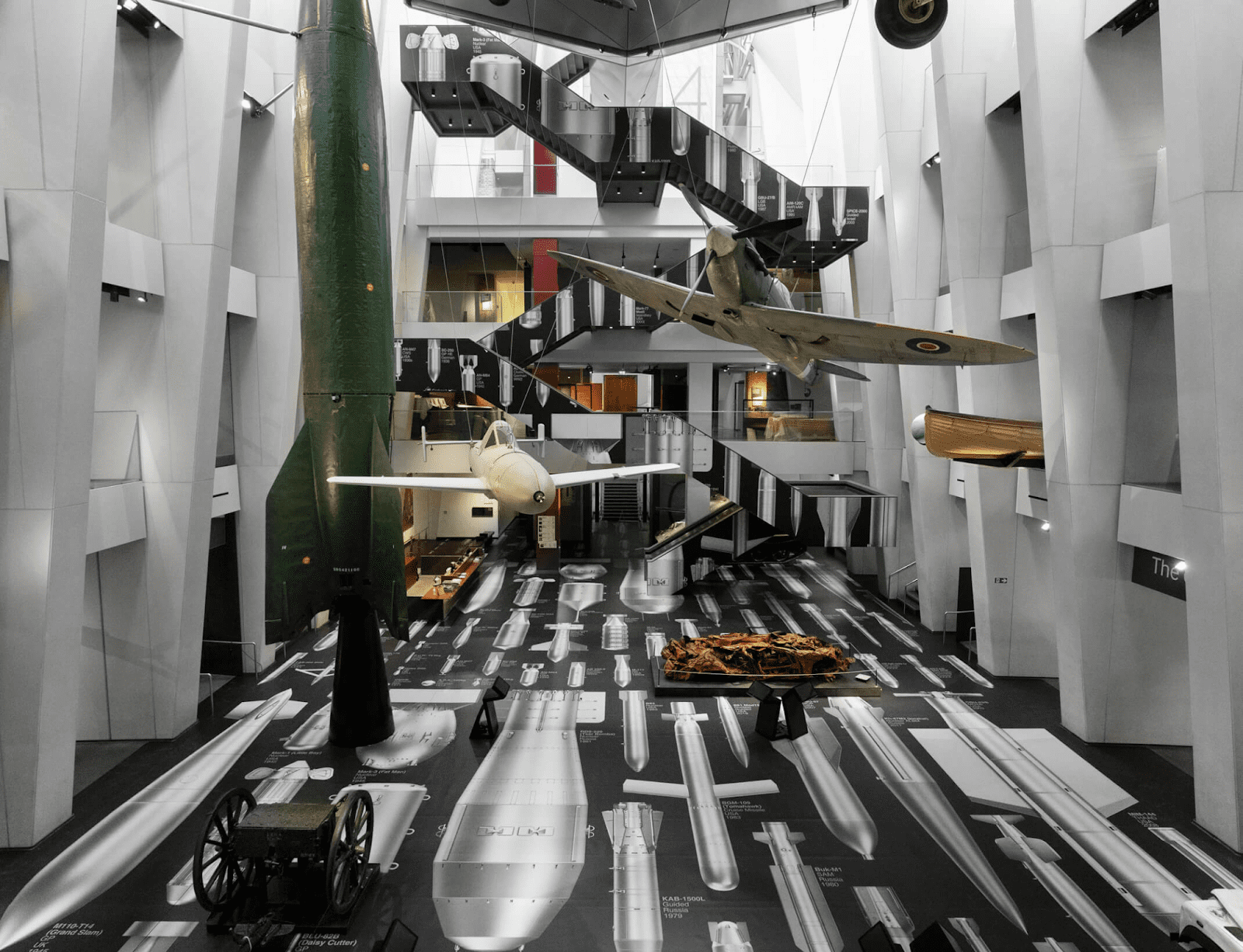
The museum fund contains not only one of the world’s largest collections of military vehicles but also a lot of unique documents, books and other information sources. Here, you can get acquainted with the documents that belonged to prominent British officers and, at the same time, have a look at the daily records of ordinary soldiers and civilians. The museum has a collection of foreign documentation, containing interesting German papers captured during World War II, as well as some unique Japanese materials.
The creation of an art collection began during the First World War. Nowadays, the museum displays a collection of the most famous paintings, engravings, postcards, posters and photographs. In 1972, the museum started to cooperate with artists and ordered some art pieces. The museum is also known as one of the oldest film archives in the world. The collection contains a lot of video footage that was shot in the UK and other countries. Some of them have never been presented to a broad audience, so the museum serves as the only place where they can be viewed.
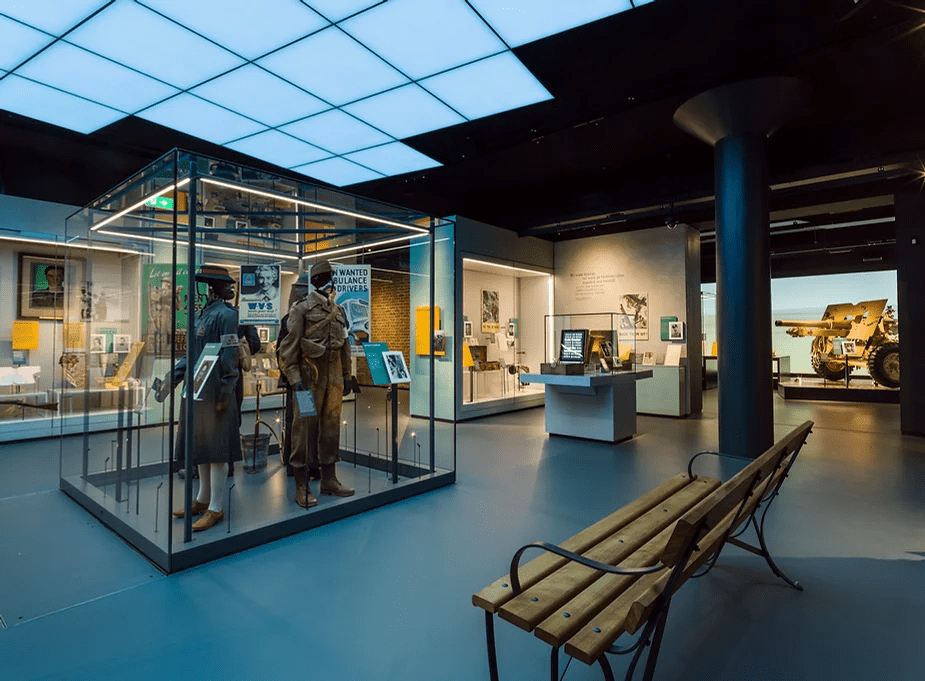
Collections of military objects play the most important role in the existence of the museum. They contain examples of various uniforms, everyday military items, orders, medals, badges, emblems and other insignia. A lot of attention is paid to personal belongings of the military, such as photos, souvenirs, amulets and other items. In the museum, you can see a huge number of different weapons and ammunition that were applied in wars. The collection of vehicles includes not only examples of military equipment but also ordinary civilian transport. For example, evacuation buses, medical vehicles and government vehicles. The museum is one of the most famous places in the world to learn about the terrible events of the war. Every visitor will be impressed by the exhibits, but in each case, they will evoke different perceptions and emotions.