
We all frequently visit museums, especially while travelling. This is a way to learn new information about the visited city. The exhibits reveal its history and tell us something new and mysterious. Usually, a museum is dedicated to one topic and covers it, taking into account the city where it is located. At the same time, the modern world craves new ideas and formats, so museums and exhibits become more unusual and original. The Bramah Tea and Coffee Museum was one of them. For many years, its fragrant aroma attracted people from different corners of London and the whole world. So what is the secret of the museum’s success and why has that amazing place fallen into disrepair? Learn more at ilondon.info.
Tea traditions through centuries
The idea of a museum that would reflect the history of tea and coffee belonged to the British Edward Bramah. He was involved in the tea and coffee industry and spent a lot of time in Tanzania, Kenya and India. He liked the locals’ attitude to tea, as it resembled the English traditions. These weren’t just cultural customs but entire rituals and rites. Bramah brought from those countries the most unique artefacts that represented centuries-old traditions of various nations of the world. Before starting his own tea and coffee import company, he was a taster. But the most significant event in his life was the opening of the museum in London in 1992.
An impressive place with a unique atmosphere
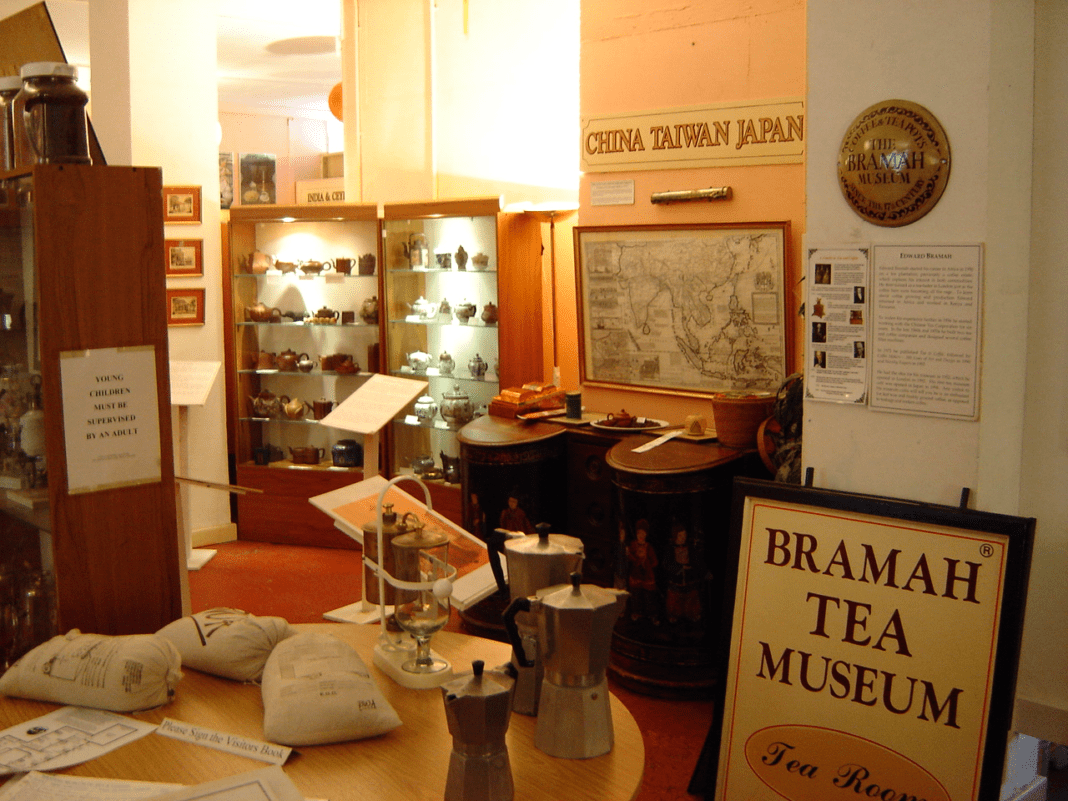
The museum was located on the cosy and blooming south shore of London. That location perfectly combined with tea traditions and history. The institution consisted of two departments and four thematic parts. Some of the museum exhibitions were dedicated to the history of tea and others to the development and distribution of coffee in the world. Moreover, there was a coffee shop, where each person could order a special drink, taking into account their own preferences. Visitors also had the opportunity to visit the bookstore, where they could learn unique information about the history of tea and coffee, the brewing utensils and outstanding researchers of the sphere.
The museum exhibits were harmoniously divided according to the country of their origin. After getting acquainted with Indian paintings and engravings dedicated to the art of tea, visitors gradually moved to the collection of Chinese teapots. It was one of the most important in the museum because it contained the rarest exhibits. On the opposite side, there were various machines for processing tea. The Japanese exhibit included bowls, a variety of ceramic dishes and traditional devices for whisking tea into powder. The coffee department of the museum informed visitors about the appearance of coffee in Great Britain, the process of its cultivation and collection, the differences between its ground and roasted types, as well as the peculiarities of its production and processing.
The museum’s heyday
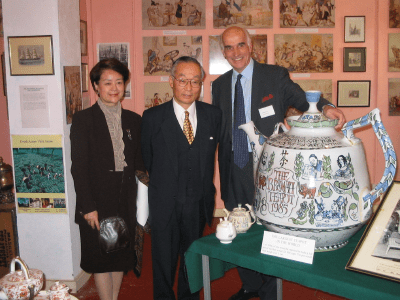
Although the days when the British paid great attention to the tea-making process have long passed, the museum remained popular even at the beginning of the 21st century. If it wasn’t closed, modern visitors would come here as well. Also, museum representatives frequently held seminars. The program of such events included an individual tour, a discussion of the history of tea in Britain, a short video about tea production and the most enjoyable part, a traditional English tea party.
The end of an amazing story
Unfortunately, the museum was closed after the death of Edward Bramah in 2008. There were plans for its reconstruction, but then it became clear that the museum closed its doors forever.