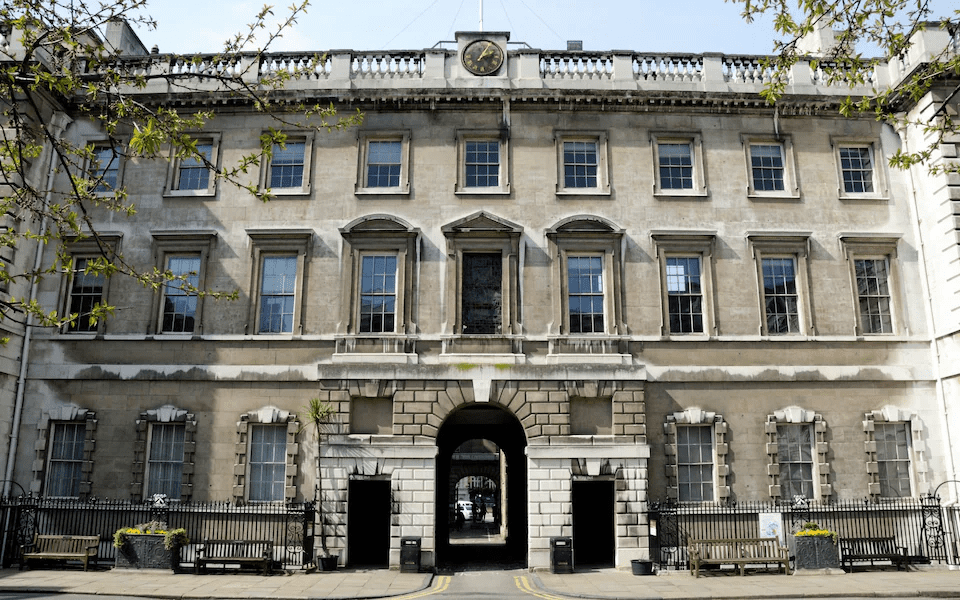

London can boast of many locations with eventful history. Sometimes, it’s even difficult to process all of the information about them at once. It’s unbelievable how the history of an ordinary building can include so many famous names and important events. One of these special places is St Bartholomew’s Hospital. Its history and each architectural element reflect the history of medical development in England and methods of treatment of the past. What is known about the hospital and what is its role in the modern world? Learn more at Ilondon.
History of its creation and development
St Bartholomew’s Hospital is considered one of the few oldest institutions in London that has continued to exist in the modern world. The hospital was founded by one of the favourite courtiers of King Henry I, the Anglo-Norman priest Rahere (he was also called Raherius) in 1123. At that time, almost all hospitals were part of the church and one of their main functions was to collect funds to help people in need. Nevertheless, the building was positioned as a medical institution. Probably, that’s why its operation wasn’t affected by the liquidation of monasteries that took place in 1536-1541. Then the hospital was deprived of profits. However, Henry VIII returned the institution’s rights in December 1546. The general image of medical activity there has become profound since the 17th century. At that time, William Harvey started to conduct his research. First of all, he focused on the study of the blood circulation system, for which he became famous later. In the 18th century, extremely important principles of modern surgery were developed in this very place. Some reports provide insight into the main causes of mortality in the city in 1839-1872. Those were postoperative infection and surgical trauma. There were also those that led to deaths and at the same time weren’t traumatic. Tuberculosis was the leader among them. In the 19th century, Ethel Fenwick worked at St Bartholomew’s Hospital. She contributed to the development of nursing and reached positive results in her activity. Despite all of that, the hospital was on the verge of closure in 1993. It was decided that there were few people in need of medical care living near the hospital. In addition, there were many other similar institutions in London, which would cope with the existing needs. However, owing to the Save Barts Campaign, which engaged employees, some MPs and local residents, the hospital was saved.
It should be noted that the hospital’s architecture is of great historical value. Firstly, the hospital is still located on the same site where it was initially built. Secondly, many original elements have been preserved since James Gibbs’ redesign of the main square (1730s). In general, the building survived the Great Fire and the terrible bombings during the Second World War.
Current state
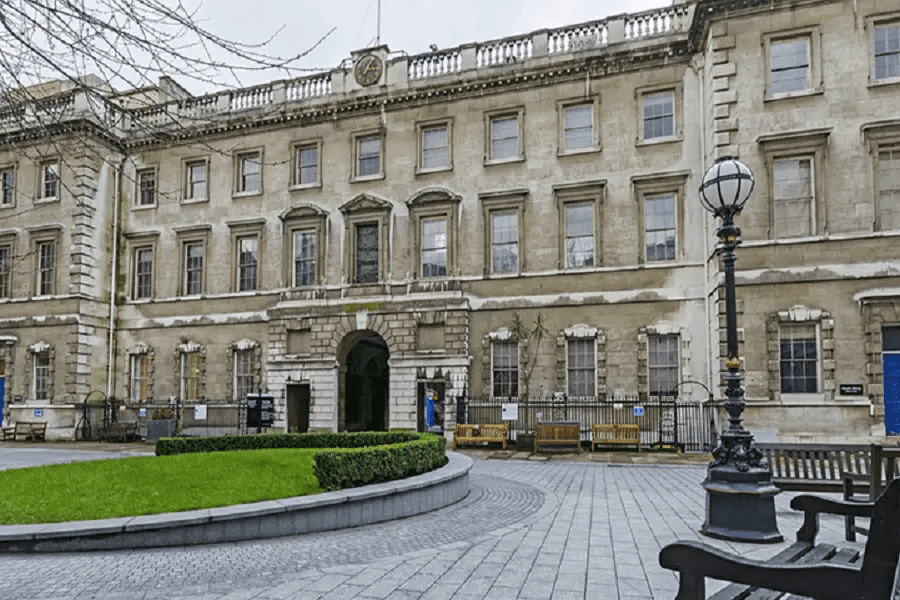
The hospital is still functioning today. Moreover, there is St Bartholomew’s Hospital Museum on its territory. Its visitors have the opportunity to get acquainted with the history of the hospital and its activities including the care of the sick and wounded. There, you can find samples of surgical instruments, archives from the Middle Ages, various sculptures and other works of art, which, like small pieces of a large puzzle, make up the general history of the institution. The museum was closed due to renovations in September 2022. However, all of the exhibits listed above can be viewed on the Barts Health NHS Trust online catalogue.