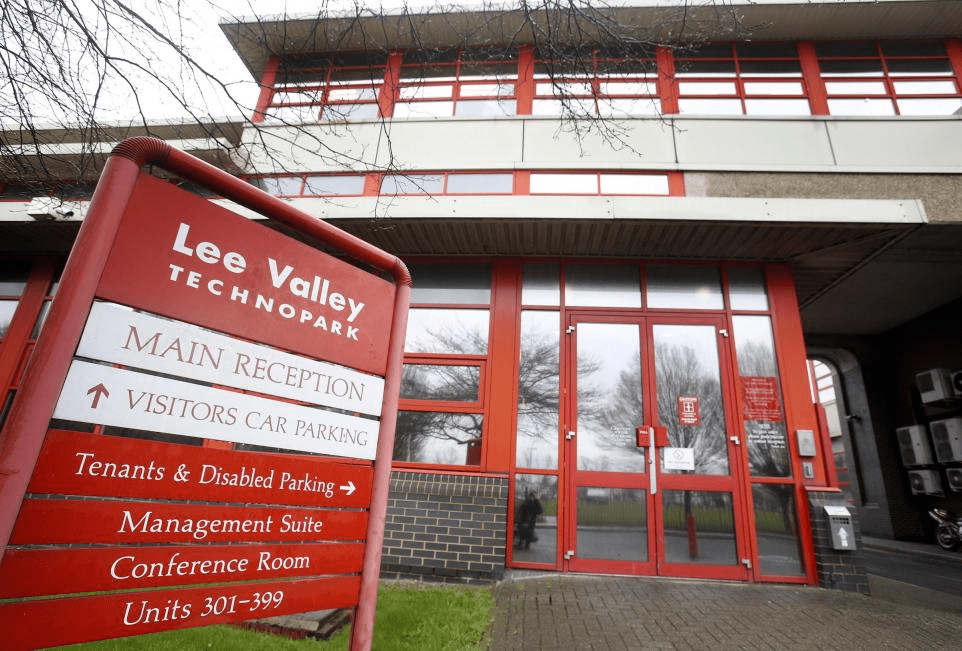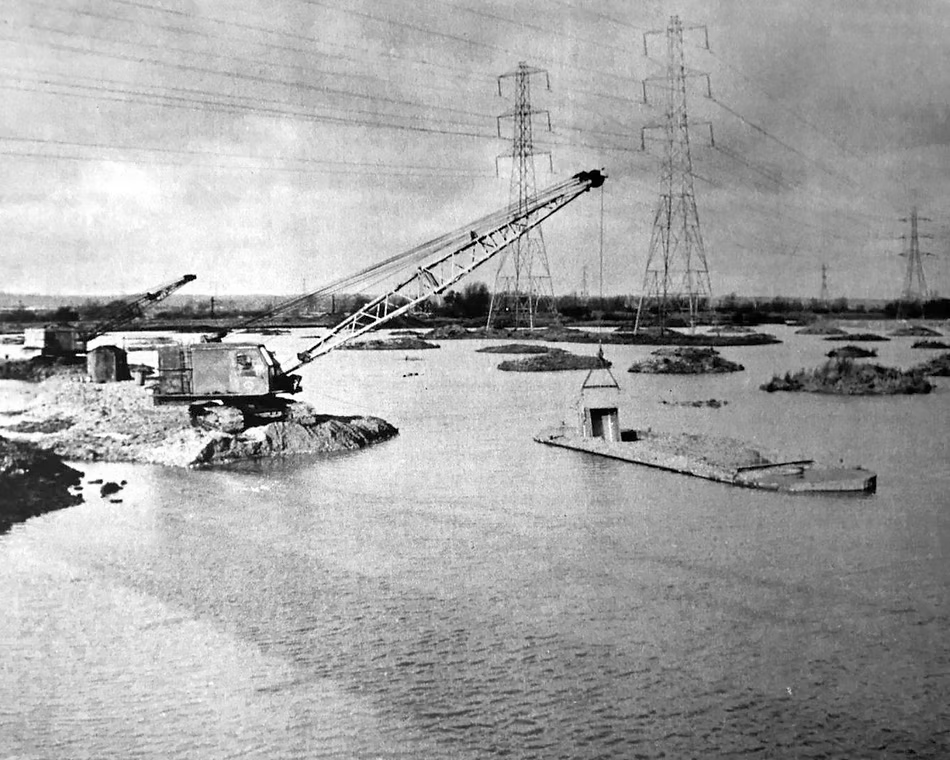

In the early 20th century, the Lee Valley was viewed as a neglected industrial wasteland, starved of strategic vision and investment. However, the Lee Valley Technopark—a mixed-use office and business hub—soon played a pivotal role in the area’s regeneration. It has transformed from a forgotten industrial backwater into a dynamic centre for economics and innovation in the UK. Read more at ilondon.
The History and Development of Lee Valley Technopark
For decades, the Lee Valley stood as a symbol of industrial decline and environmental neglect in London. The landscape was scarred by railway lines, refuse dumps, gravel pits, sewage works, and factories. It was a production site for explosives, furniture, chemicals, electronics, and railway engines, with its geography naturally favouring heavy industry.
Visions for the Lee Valley’s revival began to take shape during the Second World War. In his 1944 Greater London Plan, Sir Patrick Abercrombie recognised the area’s potential for transformation. His vision of stitching together fragmented land into a vast regional park redefined urban planning. Consequently, the concept of converting this industrial landscape into a public space for leisure and recreation began to gain momentum.
However, the post-war years saw the regeneration of the Lee Valley pushed to the back burner. Real progress only materialised in 1961, driven by the initiative of Hackney Mayor Lou Sherman. Through his leadership and diplomacy, 17 local authorities united behind the cause. By 1963, the Civic Trust was brought on board to conduct a comprehensive assessment of the valley’s potential as a space for leisure and recreation.
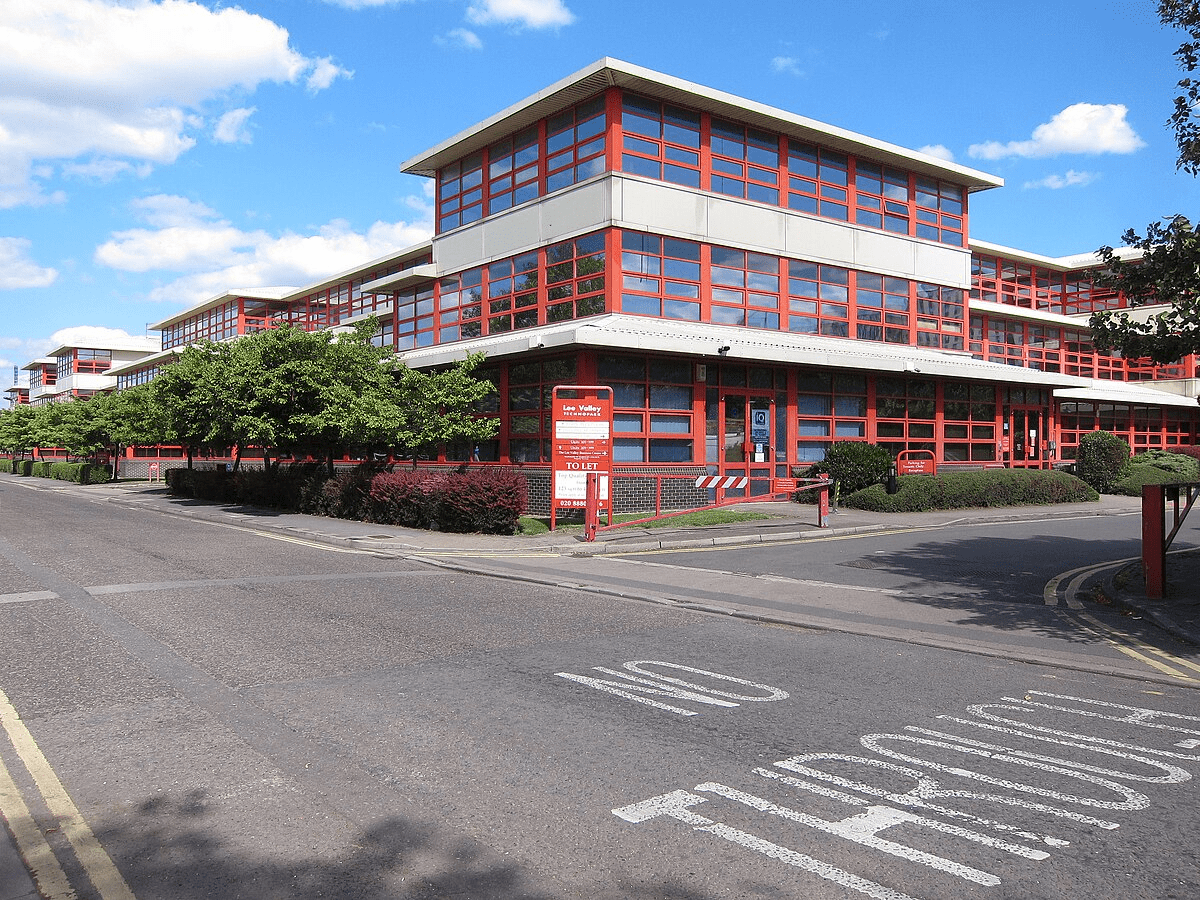
In 1986, the development company Thornsett began to play a crucial role in the region’s future. By 1995, their efforts culminated in the creation of the innovative Lee Valley Technopark. The project was realised as a modern complex spanning over 8,000 square metres, divided into three functional units. Situated within the growth corridor connecting London, Stansted, and Cambridge, the Technopark was designed to become a beacon of economic expansion.
By the early 2000s, Lee Valley Technopark had fully established itself as a multi-purpose office and business hub. While much of the surrounding area was dedicated to recreational zones and sporting facilities, the Technopark remained sharply focused on commercial infrastructure. This clear focus attracted hundreds of companies eager to capitalise on its convenient location and modern engineering standards.
In 2014, local authorities faced a critical decision regarding the lease surrender of Lee Valley Technopark. Haringey Council’s corporate property management team stepped in, commissioning experts to analyse options for safeguarding jobs, boosting office occupancy, and mitigating annual financial losses. The Council also explored the possibility of acquiring the head lease to repurpose the facility for educational use.
Recognition and Significance of Lee Valley Technopark
Lee Valley Technopark has become a vital node for the development of small and medium-sized enterprises (SMEs) in the British capital. It is renowned for its modern infrastructure, versatile use of space, and strategic positioning within the dynamic London-Stansted-Cambridge corridor. The site has hosted over 500 companies, including Dynamic E Limited, Ernest Kay, and GB ASC LP Aurius Selselgis. Beyond merely providing workspace, it actively stimulates innovation, investment, and business activity across the region.