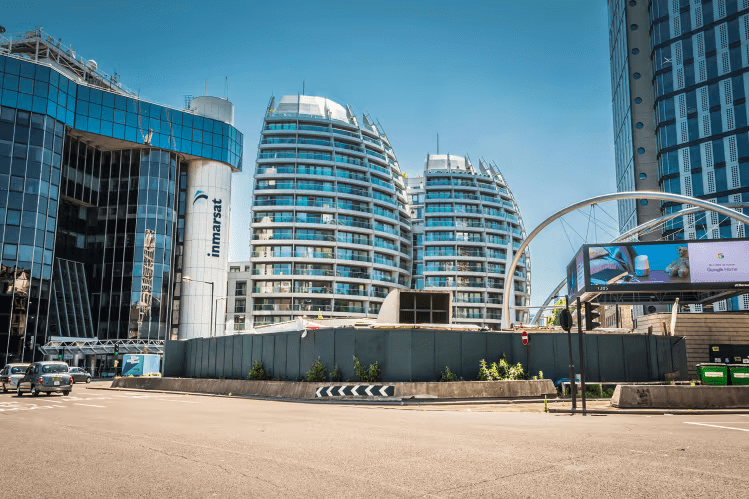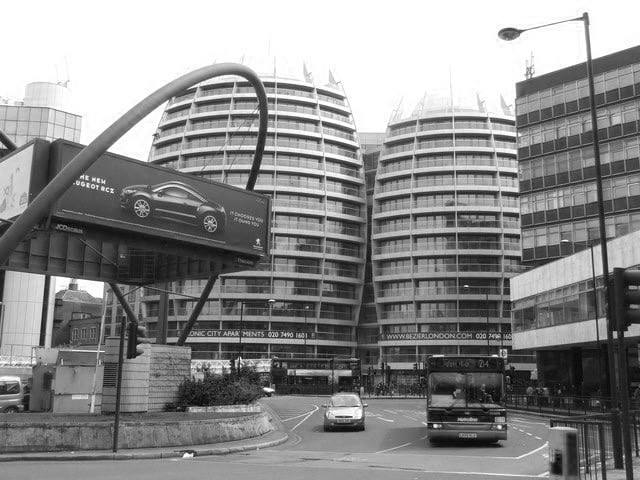

East London Tech City played a decisive role in the economic regeneration of East London. Once one of the capital’s most deprived areas, Old Street has reinvented itself as a hub for high-paying jobs and innovative enterprises. International investors, entrepreneurs, and developers now view this cluster as prime territory for growth, experimentation, and scaling up businesses. Read more at ilondon.
The Origins and Evolution of East London Tech City
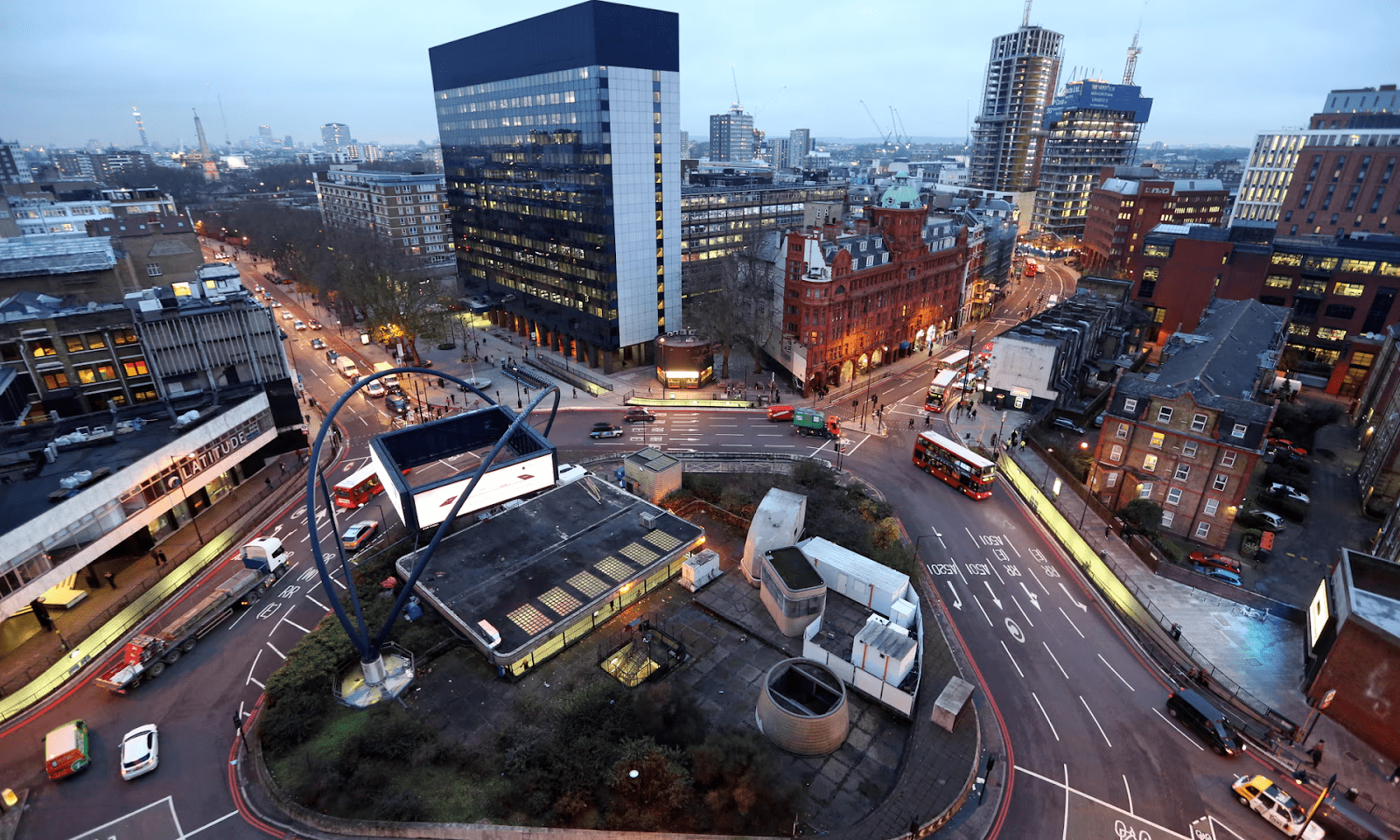
The cluster of web enterprises began to take shape around the Old Street roundabout in 2008. Historically, this pocket of East London was relatively poor compared to other parts of the city. The global financial recession of 2008 further compounded the economic gloom: countless companies folded, and rental prices plummeted. However, every cloud has a silver lining; this created attractive conditions for fledgling tech startups that had previously been priced out of office space in the capital.
East London Tech City effectively came into being in 2008, when 15 web media and high-tech companies coalesced around the Old Street roundabout. The district quickly became a hive of innovative activity: startups set up shop here, hunting for interested investors and like-minded collaborators. Trailblazers of this wave included companies such as Tweetdeck, Bright Lemon, Last.fm, and Squiz.
Momentum surged in 2010 when the government, led by then-Prime Minister David Cameron, unveiled new initiatives to support the technology sector. Thanks to favourable policies and investment attracted from American tech giants, the number of tech firms in the cluster rocketed from 85 to 200 in just one year. This transformed the area into a magnet for innovation, entrepreneurship, and digital transformation – not just for London, but for the whole of Europe.
On 28 September 2011, news broke that Google had acquired a seven-storey building near the Old Street roundabout. According to their statement, the new space on Bonhill Street was intended to host a myriad of events – lectures, hackathons, seminars, and product demos. It also provided workspace for new companies. Parallel to this, construction began on the Atlas Building on Old Street, having secured all necessary planning permissions. By March 2012, the building opened its doors as Campus London, cementing its status as a vital centre for the tech community.
Infrastructural development within East London Tech City continued apace. In 2018, Cuckooz opened designer apartments housed in a restored Art Deco cinema dating back to 1870. These residences were targeted primarily at the tech industry workforce. The ground floor of the building also saw the opening of a new arthouse cinema, adding a splash of cultural flair to the district.
Recognition and Significance of East London Tech City
East London Tech City has metamorphosed from a modest pocket of web startups into one of Europe’s leading technology hubs. Google, Facebook, Microsoft, Intel, Cisco, and McKinsey & Company have poured significant capital into its development. Consequently, the cluster has become more than just a workspace; it is a platform for learning, interaction, and the development of thousands of startups. Its partners include the University of London, London Metropolitan University, Imperial College London, Queen Mary University of London, and University College London. These collaborative efforts continue to cultivate a unique ecosystem where theoretical research is swiftly translated into practical innovation.