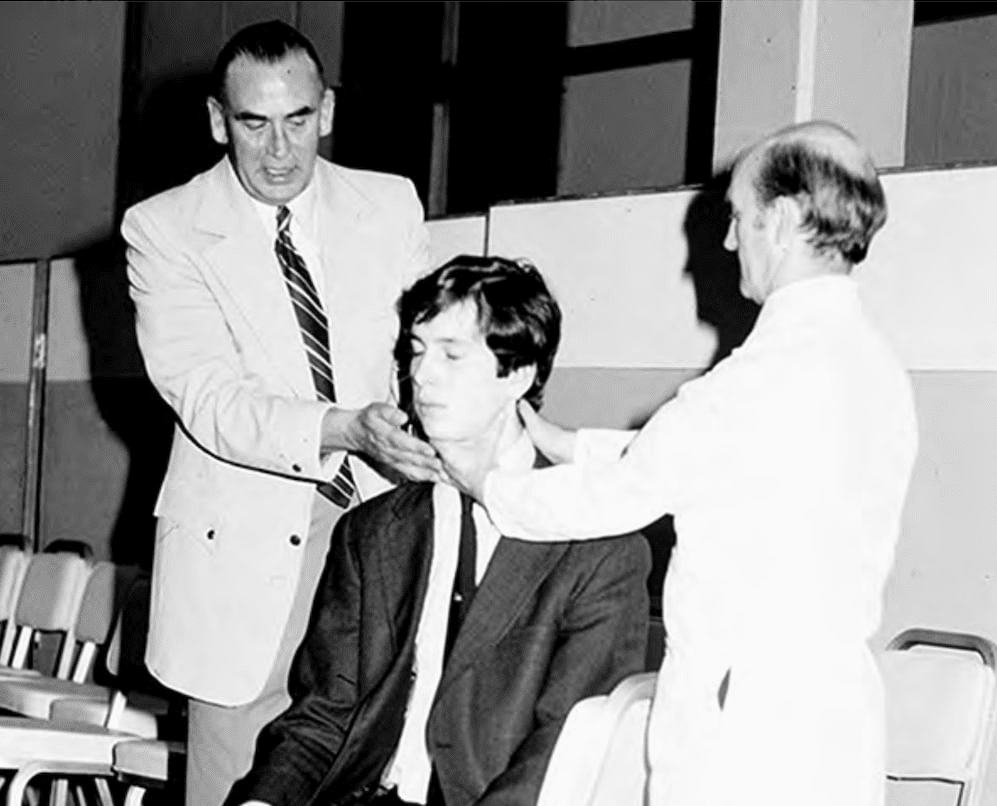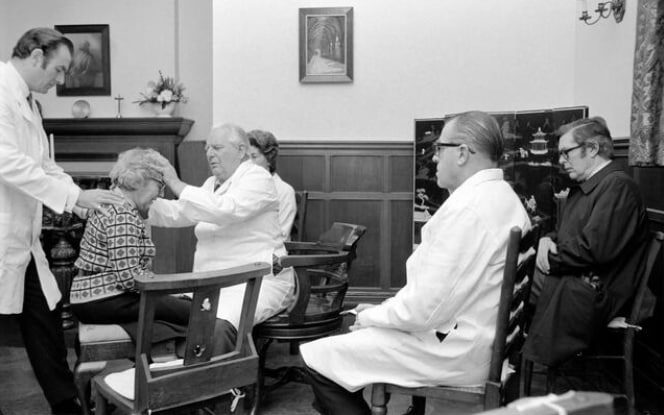

The Healing Trust is recognised as one of the oldest and largest professional organisations for healers in the world. It does not aim to replace conventional medicine. Instead, the association’s goal is to restore balance to the body, mind, and spirit of those who are suffering or in crisis. Read more at ilondon.
The Founding and Development of The Healing Trust
In 1954, John Britnell initiated the creation of the National Federation of Spiritual Healers (NFSH) in Surrey, a county bordering London. The heart of the new association was the home of its first president, Harry Edwards—a world-renowned spiritual healer. It was his inspiration that united enthusiasts to promote and establish healing as a respected professional practice.
In the following years, the National Federation of Spiritual Healers began to engage actively with the medical establishment. A major milestone came in 1960 when the chairman, Gordon Turner, secured permission from the authorities for healers to provide spiritual healing in hospitals at a patient’s request. At the same time, healers adhered to a strict code of ethics: they did not diagnose, promise cures, or predict outcomes. Their primary role was to remain as clear a channel as possible for the healing energy that could help restore inner harmony to body, mind, and spirit.
The next stage in the NFSH’s development was its active involvement in setting professional training standards. In 1982, members helped establish the Confederation of Healing Organisations, which served as a platform for developing new national standards for practitioner training. Through continued collaboration, these two groups founded UK Healers in 1999. This was the UK’s first self-regulating umbrella body, uniting professionals in complementary therapy.
In 2000, the House of Lords Select Committee on Science and Technology recognised spiritual healing as a complementary therapy. This process of institutionalisation culminated in the creation of the Complementary and Natural Healthcare Council (CNHC), with healing included as one of the 18 disciplines on its register. This decision not only legitimised the practice at a national level but also opened the door for its integration into the National Health Service.
In 2009, the leadership of the National Federation of Spiritual Healers decided to rename the organisation The Healing Trust. This change reflected a desire to describe their shared mission more accurately and make their work more understandable to the general public. By removing the word “spiritual” from the name, the team also sought to reduce any religious connotations that might deter some clients.
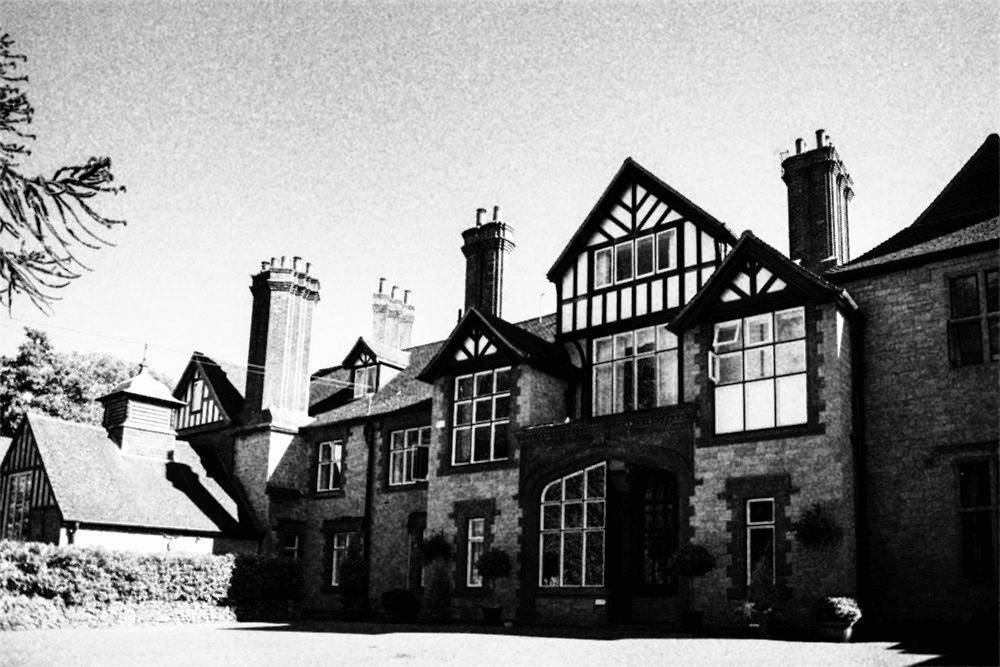
In 2024, The Healing Trust celebrated its 70th anniversary. In the run-up to this milestone, it moved to a new head office, modernised its office systems, and implemented significant digital upgrades. Notably, a pilot online training programme was launched on an updated website featuring a new logo. This marked another step towards ensuring that healing knowledge is accessible to new generations of practitioners.
The Legacy and Significance of The Healing Trust
In over 70 years, The Healing Trust has grown into a respected international organisation in the field of complementary medicine. The organisation unites members from 19 countries, preserving and advancing the values of spiritual service. It supports 19 healing centres across the UK, where volunteer healers provide help to those in need. These centres have become safe spaces for energetic and emotional recovery for those seeking an alternative approach to managing their ailments. As medical anthropologist and healer Alberto Villoldo said, “If you create the conditions for health, the disease will simply disappear on its own.”