
Arsenal is more than just a football club; it’s a London icon, steeped in the long and storied traditions of English football. The club has cemented its place as one of the most successful in both the UK and globally, boasting a vibrant and dedicated fan base.
The journey of ‘The Gunners’ is a classic tale of transformation, evolving from a modest workers’ team into a powerhouse global sports brand. Londoners know Arsenal for its history of innovation, such as the introduction of white sleeves for better visibility in fog, and its long-standing philosophy of playing attractive, beautiful football. More details to follow, courtesy of ilondon.info.
The Early Years and Rise to Prominence
Arsenal’s professional story began in 1886. Founded by a Scotsman, David Danskin, and 15 of his colleagues from Woolwich, the team was initially called ‘Dial Square.’ They played their first match on 11th December 1886 against Eastern Wanderers. By January 1887, following that debut, the club was renamed ‘Royal Arsenal.’ Crucially, in 1891, they achieved the distinction of becoming London’s first professional club.
The team underwent a second renaming to ‘Woolwich Arsenal,’ making them the first Football League club in the area. A seismic shift in the club’s development occurred in 1913 when they relocated to Highbury in North London. They leased the land for 21 years at a cost of less than £1,000 per season. This move marked a turning point, ushering in their first golden age.
Under the visionary leadership of Herbert Chapman in the 1930s, Arsenal tasted their first major success, clinching five League Championships and two FA Cups. Chapman was also an innovator, responsible for introducing player numbering and floodlights for evening matches. Another monumental moment came in 1919 when Arsenal entered the First Division of English football, a league they have not left since – a record unmatched in the English game.
In the penultimate season before the outbreak of the Second World War, Arsenal were crowned English champions once more, their fifth title in just eight seasons. The war brought the Football League to a halt for seven years. The club showed great solidarity with the war effort, but the conflict took a devastating toll, with more players killed than at any other club.
Arsenal returned to action after the Second World War and won the league in the second post-war season, 1947/48. This was the first season with Tom Whittaker as manager, often referred to as the ‘brain’ behind Chapman’s legendary and charismatic team. Whittaker assembled a successful side despite limited resources, breaking the record for English champions. The players were formidable and developed a distinctive style of play that resonated widely. They went on to win a third FA Cup in 1950, followed by a then-record seventh Championship in 1952/53, briefly establishing Arsenal as the most successful team in English history.
The Arsène Wenger Era: The Invincibles
The most transformative period in the club’s history coincided with the tenure of French manager Arsène Wenger, who managed the club from 1996 to 2018. His reign was defined by attacking football, a complete overhaul of dietary and fitness practices, and elite scouting. Wenger was particularly adept at developing young talent.
Driven by key players like Patrick Vieira and Thierry Henry, Arsenal secured a League and Cup ‘Double’ in 1997/98, and a third league title in 2001/02. The club also reached the 1999-2000 UEFA Cup final, secured further FA Cup victories in 2003 and 2005, and, most famously, won the 2003/04 Premier League season without losing a single match. This incredible achievement, a run of 49 league games unbeaten from 7th May 2003 to 24th October 2004, set a national record and earned the team the immortal nickname, ‘The Invincibles.’
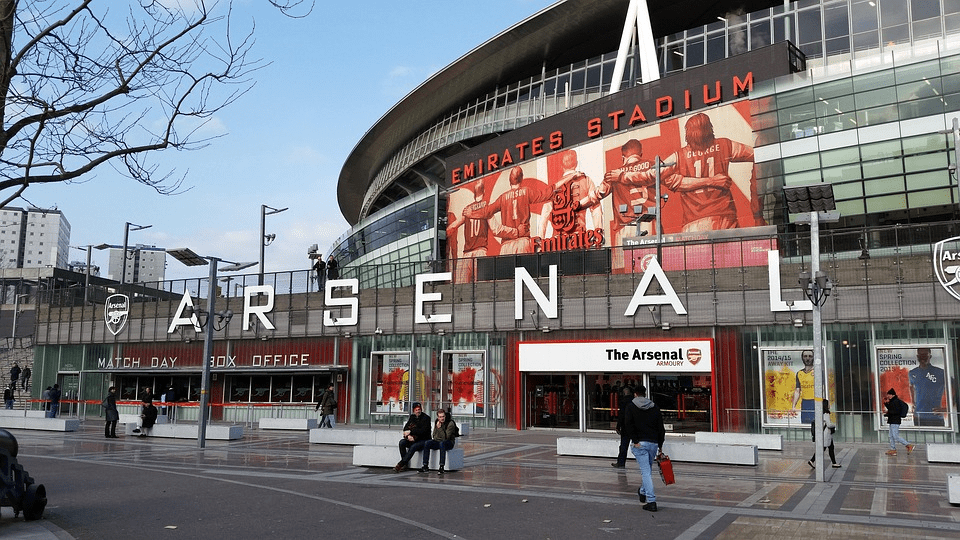
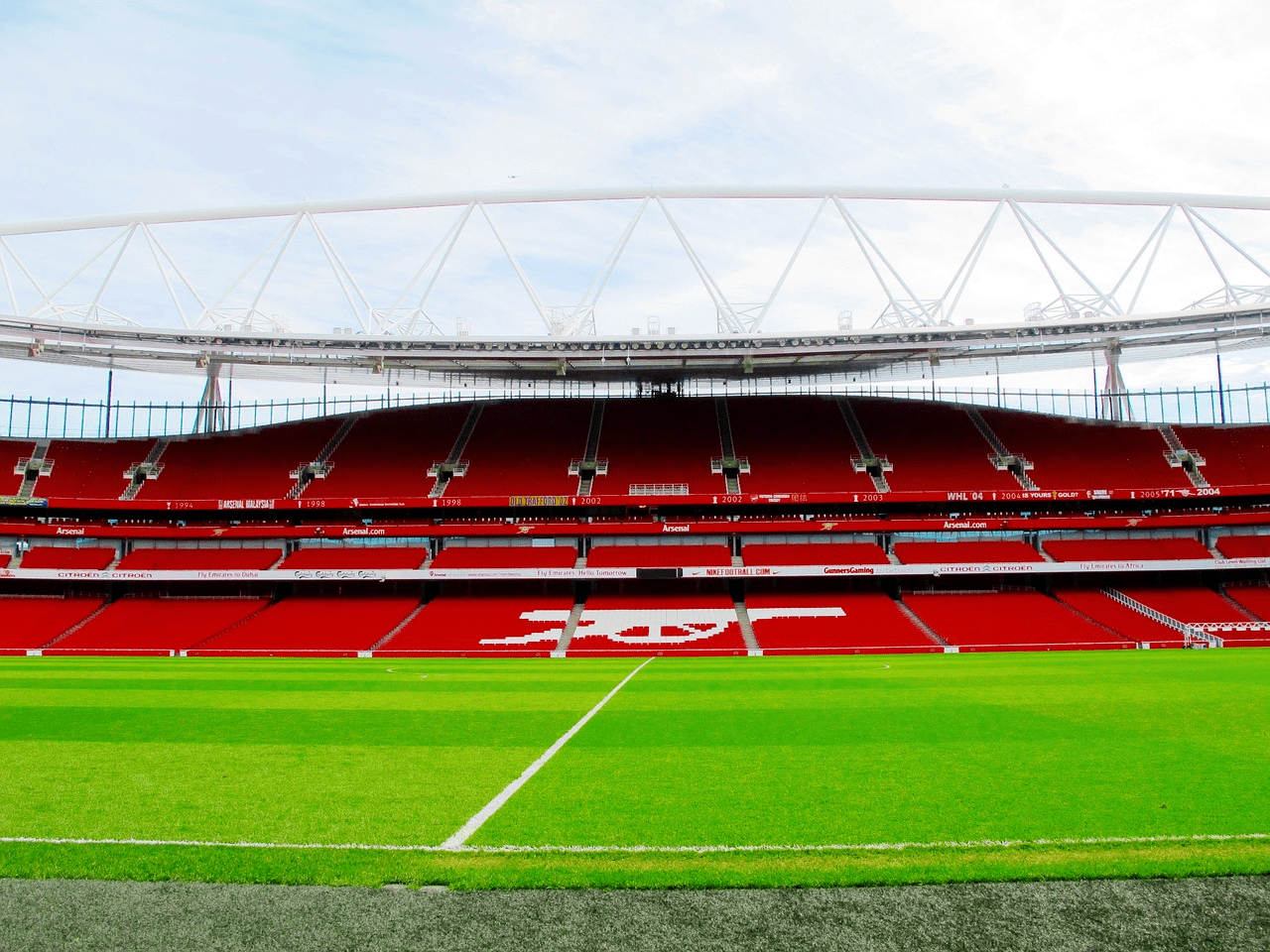
In July 2006, the team moved to the new Emirates Stadium. Located in Holloway, the 60,704-capacity stadium is the third-largest in England and serves as the club’s current home ground. It set a new attendance record of 60,383 for a match between Arsenal and Wolverhampton Wanderers. The pitch quality and overall playing experience are highly praised. The venue regularly hosts international football matches and major music events, and it features a museum and statues of club legends Chapman, Adams, Henry, and Wenger. The stadium itself became a symbol of the club’s ambition and its determination to compete at the highest European level.
Modern Day Arsenal
Following Wenger’s departure, Spaniard Unai Emery was appointed as the new head coach on 23rd May 2018. He holds the distinction of being the first ‘head coach’ in the club’s history and only the second manager from outside the United Kingdom. Emery was dismissed in November 2019, and former player and assistant manager Freddie Ljungberg was named as interim head coach.

On 20th December 2019, Mikel Arteta was appointed the new head coach. He has placed a strong emphasis on youth development, resilience, and implementing a new, dynamic approach to the game. Under his leadership, talented young players such as Bukayo Saka and Emile Smith Rowe have flourished. Arteta has been credited with restoring Arsenal’s status as a serious contender for the English Championship once again.
The roll call of Arsenal greats includes legendary striker Cliff Bastin, iconic forward Dennis Bergkamp, goalkeeper Pat Jennings, influential midfielder Liam Brady, defender Tony Adams, and, of course, arguably the team’s most potent player, striker Thierry Henry, who scored a club-record 226 goals between 1999 and 2007.
In conclusion, Arsenal remains one of the world’s most famous clubs, boasting a roster of celebrated players. Its history spans from a small workers’ team to a global powerhouse known for triumph and massive recognition. While people and eras change, the club remains an indispensable part of London’s sporting life.
Sources used: