

The Commonwealth of Nations positions itself as an association of independent states that were formerly part of the British Empire. The British Monarch remains the symbolic head of this free association. Consequently, Great Britain, and London in particular, has always played a significant role in any event related to the association’s existence. The results of this union of nations affect various areas of life, including sports. The Commonwealth Games are one of the most important events. This spectacular event takes place once every four years and unites athletes from across the globe. What does the history of the Games tell us, and what unique features characterise this brilliant event? Read more at ilondon.
History of the Event’s Founding
The Commonwealth Games are not only important sporting competitions but also hold significant symbolic meaning for many nations, most of which were formerly part of the British Empire. The event first took place in 1930 in Hamilton, Canada. At that time, 11 countries participated, represented by 400 top athletes. Since then, the Games have been held in various countries once every four years. However, history records a couple of instances when the event was cancelled. The 1942 Games were scheduled to be held in Canada but were cancelled due to the terrible events raging across the world. World War II also prevented the event from being organised in 1946, when it should have taken place in Great Britain. The competition finally resumed after the world had recovered from the war. Over time, the event grew increasingly grand and spectacular, with a rising number of participating countries and athletes each year.
It is also interesting that in 1994, people with disabilities were allowed to compete in certain events. By 2002, these competitions were included as a mandatory part of the programme. Thus, these athletes gained the opportunity to become full members of each country’s delegation, and their results were included in the overall medal count. Discussions about holding a similar competition for younger athletes began in the late 19th century. Consequently, the first Commonwealth Youth Games took place in August 2000. The competition was held in Scotland and was open to athletes aged 14 to 18.
London’s Exceptional Hosting of the Event
London’s hosting of the Commonwealth Games in 1934 was truly spectacular and unforgettable. The main venue was Wembley Park. In total, six sports were featured during the period from 4 to 11 August. Track and field athletes competed for awards at White City Stadium. Aquatics competitions were held at Wembley Arena, located near the world-famous Wembley Stadium. Notably, 1934 was the first time that athletics events for women were included in the programme. During previous Commonwealth Games, women could only represent their country in swimming and diving. Significant attention was also paid to the wrestling and boxing competitions, which were contested only by men.
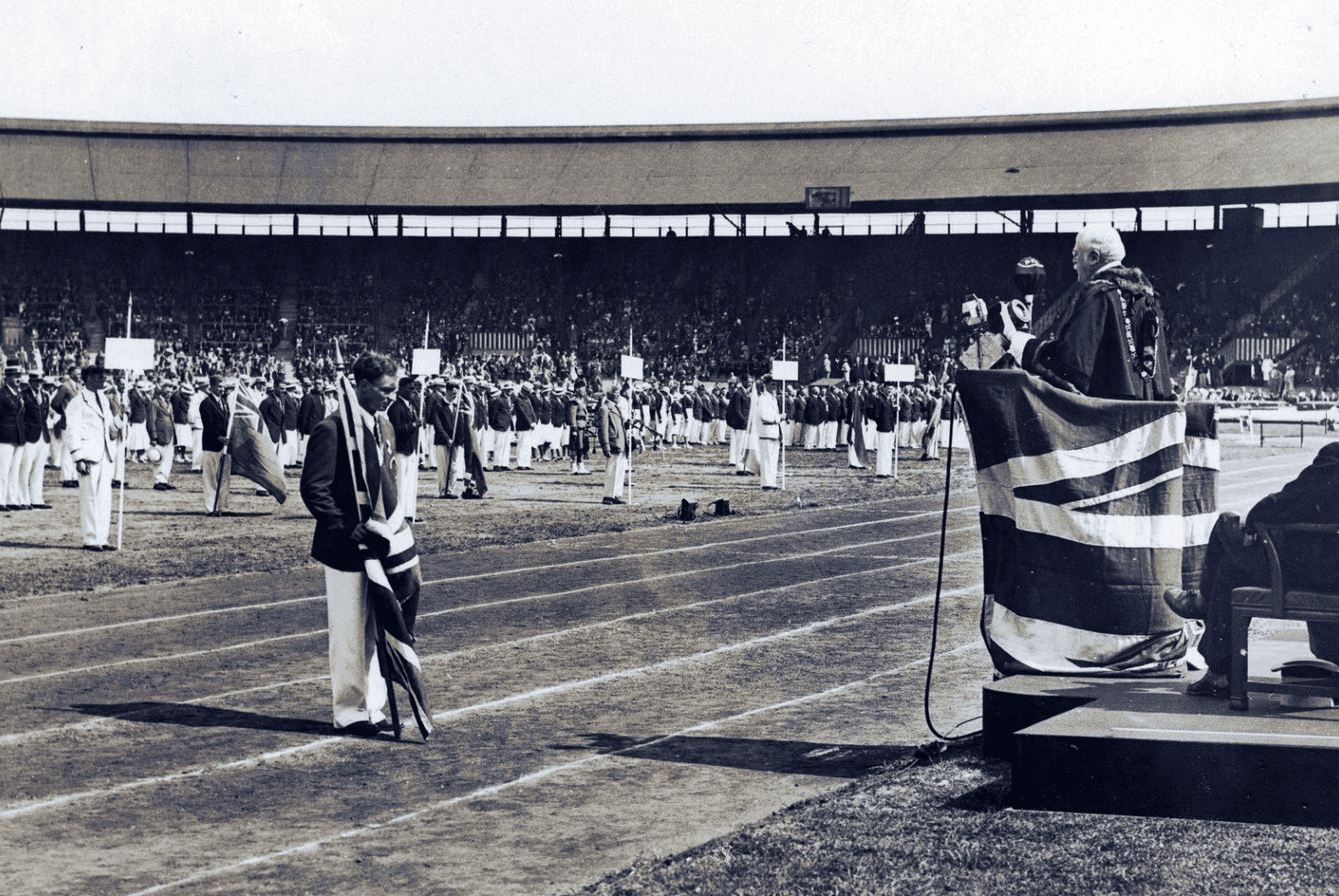
The 1934 Commonwealth Games were only the second ever held. However, the significance of the event and the preparation for it were impressive. Athletes from over 15 countries around the world decided to compete. Some countries, such as Jamaica, Southern Rhodesia, and Trinidad and Tobago, participated for the first time. England took the overall lead in the Commonwealth Games, with athletes from the host country winning 73 medals, 29 of which were gold. Canada managed to secure gold in 17 events, while Australians added 8 gold medals to their tally. Athletes from South Africa also achieved a good result, earning 7 gold medals and 22 medals in total.