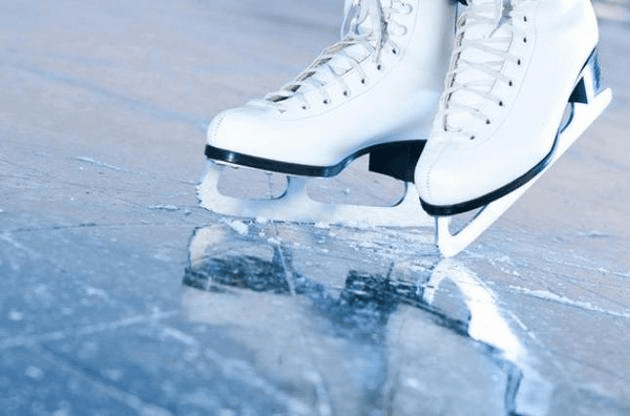

Skating belongs to a set of pastimes that became popular many centuries ago. However, the history of this pursuit charts an evolution from the first skates, which served as a means of transport, to the new equipment and technology used by the world’s best athletes. Modern London boasts a large number of outstanding figure skaters, hockey players, and skiers, as well as venues that teach these sports. Yet, the most fascinating fact is that the first artificial ice rink was created right here in the UK capital. What history lies behind this event, and how did it change the public’s attitude towards winter sports? Read more at ilondon.
Precursors to the Artificial Ice Rink
Centuries ago, an ice rink naturally formed with the arrival of winter. Snow and ice would remain frozen for long periods in Scandinavian countries, where skates became a necessary means of transport. They were made from animal bones, and later from metal strips. At the time, no one would have called skating a pastime, let alone a sport. The situation was similar across Great Britain for a long time. Although the country is not Scandinavia, its climate often necessitated the use of skates. The most popular routes were canals and rivers, where the water froze in winter. Special sledges were used to transport goods and products, pushed by people on skates. The 18th century saw the emergence of the first winter sports, including figure skating. This is when the first competitions started to take place. However, this was only possible during winter and was entirely dependent on the weather.
Inventing the Year-Round Rink
One of the most pressing problems throughout the 18th century was the inability to hold training sessions and competitions in all seasons. Therefore, the creation of a rink where ice wouldn’t melt in any weather became a major objective. Attempts to create artificial ice in France laid the groundwork for future technology. However, the development of the first fully artificial ice rink was an incredible breakthrough. This event was documented in London in 1876. The surface was created using a mixture of glycerine and water, and the process of mechanical cooling played a crucial role. Overall, this event triggered fundamental changes in winter sports. Once the new technology spread globally, athletes from warmer countries were also able to participate in major competitions. This also contributed to the emergence and spread of new winter sports.
Transition to Modern Technology
Although the technology developed in 1876 was a significant achievement and a major push for progress, it did have certain drawbacks. Nevertheless, subsequent improvements led to the soaring popularity of skating in the 20th century. This period in London was marked by the construction of many indoor ice rinks. This pastime became a favourite not only for athletes but for ordinary people, too. In winter, skating was—and still is—accessible in squares, at Christmas markets, and in parks.
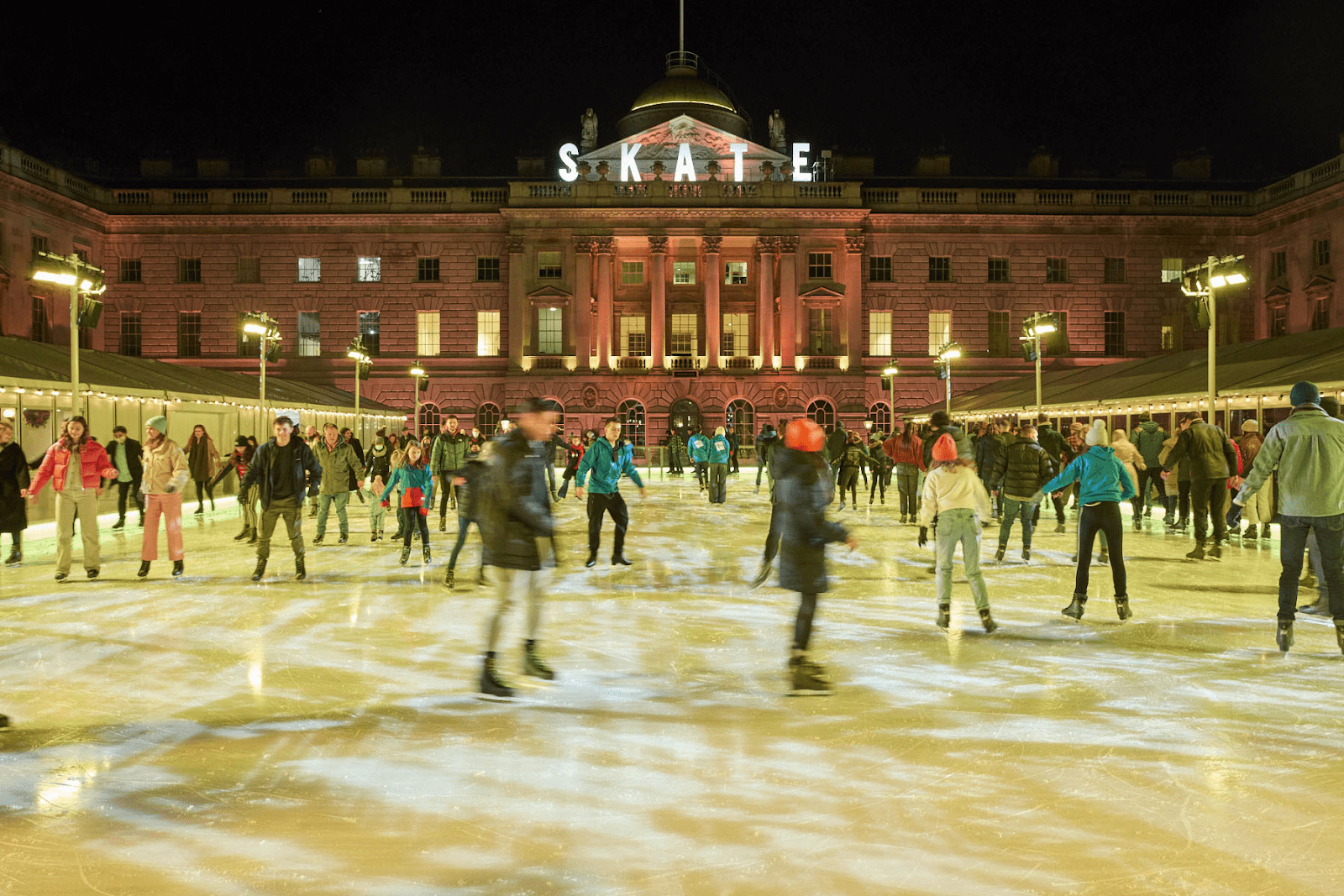
Modern ice rinks differ significantly from the first known ones. They are a successful combination of complex cooling systems with energy-efficient construction. In London, one of the most popular rinks is Alexandra Palace. Generally, this venue attracts tourists and residents alike due to its unique setting. However, the rink at Alexandra Palace also remains a key training venue for Olympic athletes. You can learn to skate, attend professional training sessions, organise festive events, and simply have fun with friends at the Lee Valley Ice Centre, Streatham Ice and Leisure Centre, and Sobell Leisure Centre.