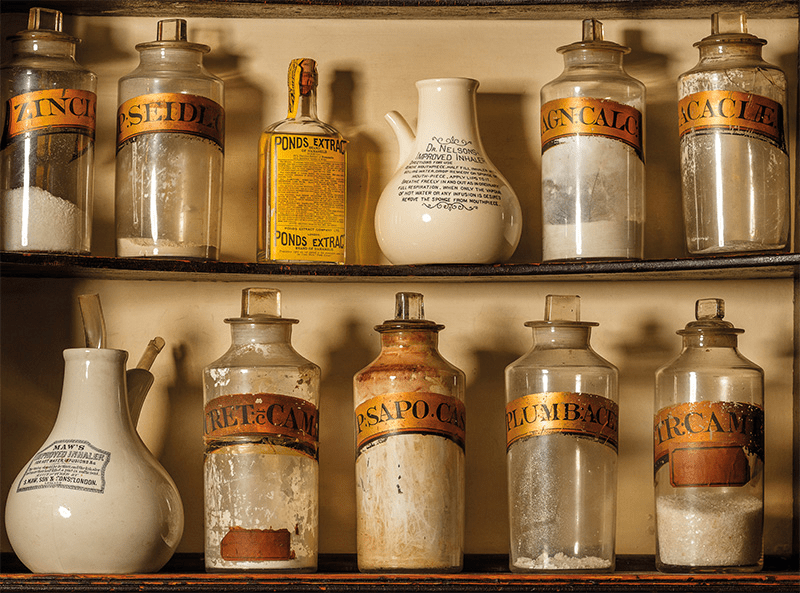

London has an astonishingly long history. Compared to many other cities, it boasts a wealth of documents and landmarks that allow modern people to trace its evolution. The history of the apothecary trade is an especially fascinating part of the UK capital’s past. In the city, you can find one of England’s oldest pharmacies or explore intriguing exhibits related to the subject in various museums. However, the stages of development can be most clearly examined through the example of the Worshipful Society of Apothecaries. Its origin is closely intertwined with humanity’s general understanding of apothecaries from thousands of years ago. The Society’s history reveals not only the processes that took place after its founding but also events from the distant past. Read more at ilondon.
From Merchants to Apothecaries
When examining the history of the Worshipful Society of Apothecaries, it is important to first acknowledge the past activities and function of the earliest known apothecaries. Secondly, the formation of the Society marked the official start of the apothecary trade’s development in London. The meaning of the Greek word “apotheca,” which translates to “warehouse” or “storehouse,” can help explain the work of the first people in this profession. For a long time in England, this word was used to denote a place where various goods (mainly spices, herbs, and wine) were stored. Later, it became the name for the merchants who sold these items. From the 14th century, they belonged to the Worshipful Company of Grocers, whose members were known for trading spices. However, the apothecaries’ activities differed slightly from those of other merchants. Their focus was more on selling products aimed at improving human health. They were also the usual place to buy various medicinal herbs.
Eventually, the apothecaries managed to separate and establish the Worshipful Society of Apothecaries in 1617. In 1632, premises were acquired on Black Friars Lane, which serves as the Society’s headquarters. The building was destroyed during the Great Fire of London in 1666 but was soon rebuilt on the same site. Apothecaries could now fully dedicate themselves to their own trade. They stored necessary herbs and spices and used them to create various tinctures and other medicinal remedies. Furthermore, in the 18th century, the government granted practitioners of this profession the right to engage in medical practice. Thus, they became some of London’s earliest physicians. The Worshipful Society of Apothecaries later even began conducting examinations and issuing licenses, gradually extending its influence across all of England. Some of the first prominent individuals to earn these qualifications included Elizabeth Garrett Anderson, Ronald Ross, and John Keats.
The Society’s Role in the Modern World
Today, the Worshipful Society of Apothecaries fulfills an educational function, engages in charitable work, and contributes to the development of London. Its members organise a large number of diverse events and lectures, many of which are named after famous members of the Society. Additionally, the main building hosts an annual open day. Such events provide an opportunity to learn about the history of the apothecary trade and gain new knowledge in the field.
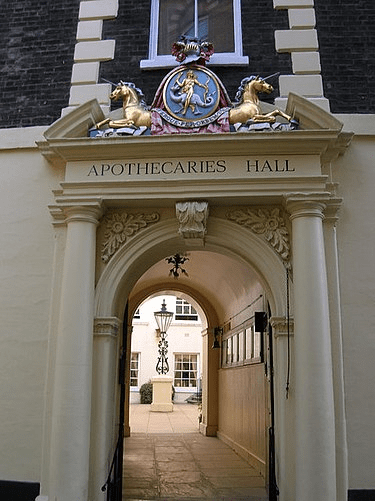
The Society is a member of The London Museums of Health & Medicine. The Worshipful Society of Apothecaries oversees an archive containing a wealth of interesting materials of historical significance. People frequently turn to it to learn more about their family history or research various topics related to the apothecary profession. Generally, members of the Society include practising doctors or qualified pharmacists, and its activities genuinely play a major role in preserving the city’s history.