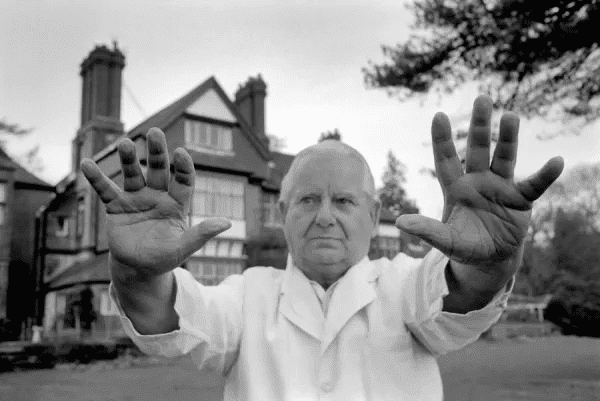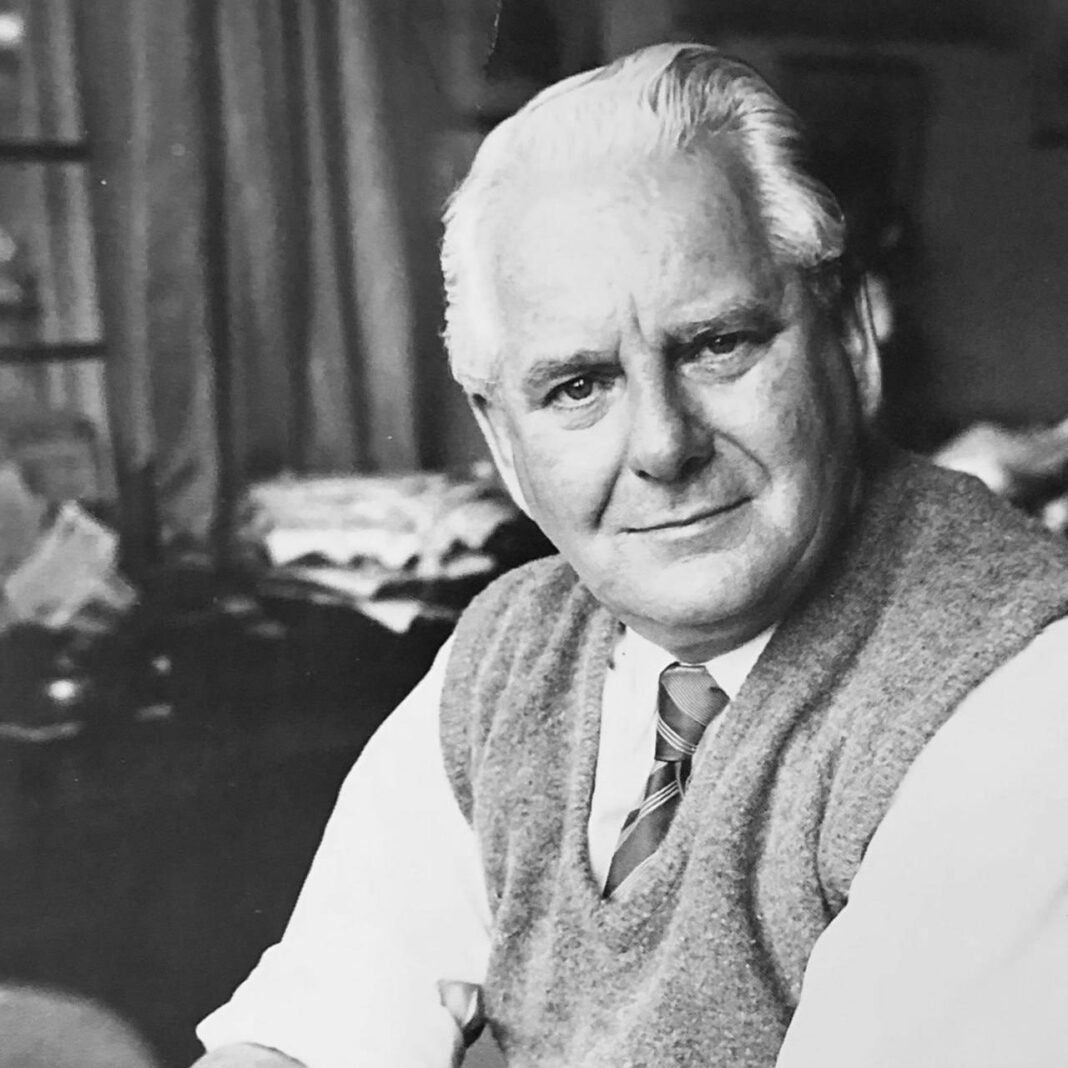

Changing society’s attitude towards alternative medicine was the life’s work of Harry Edwards—a spiritual healer, mentor, and author. Founded on simplicity, compassion, and respect for human dignity, his approach made the practice accessible to many. Read more at ilondon.
Harry Edwards’ Early Years and Spiritual Journey
Harry Edwards was born on 29 May 1893 in London to a printer and a seamstress. In 1905, he joined the Church Lads’ Brigade of the London Diocese. The boy left school in 1907 to begin an apprenticeship as a printer, but the routine work failed to satisfy his ambition. He soon developed an interest in politics and began actively participating in the Liberal Party’s election campaigns.
After finishing his apprenticeship in 1914, Harry Edwards enlisted in the Royal Sussex Regiment during World War I. His strong organisational skills earned him the rank of Captain, and he was dispatched to Persia, where he oversaw the construction of a railway link between Baghdad and Mosul. Despite lacking formal medical training, Edwards discovered an unusual aptitude for healing. His assistance to the wounded and sick was so effective that he eventually earned a reputation as a healer.
In 1921, Harry Edwards returned home, married, and, with his wife, opened a stationery shop and printing business in Balham. Life seemed to settle into a quiet routine. However, in 1935, he attended a séance where mediums identified a hidden healing potential within him. Initially sceptical, he nonetheless experimented with his gift. Eventually, he became personally convinced of the reality of his abilities.
Following the outbreak of World War II, Harry Edwards joined the Home Guard, where he continued to use his gift to heal servicemen. After moving to Stoneleigh in the post-war period, he converted the front room of his house into a treatment room. Later, his brother took over the printing business, and Edwards purchased the large Burrows Lea Manor estate in Shere, where he founded his healing sanctuary—the Harry Edwards Healing Sanctuary.
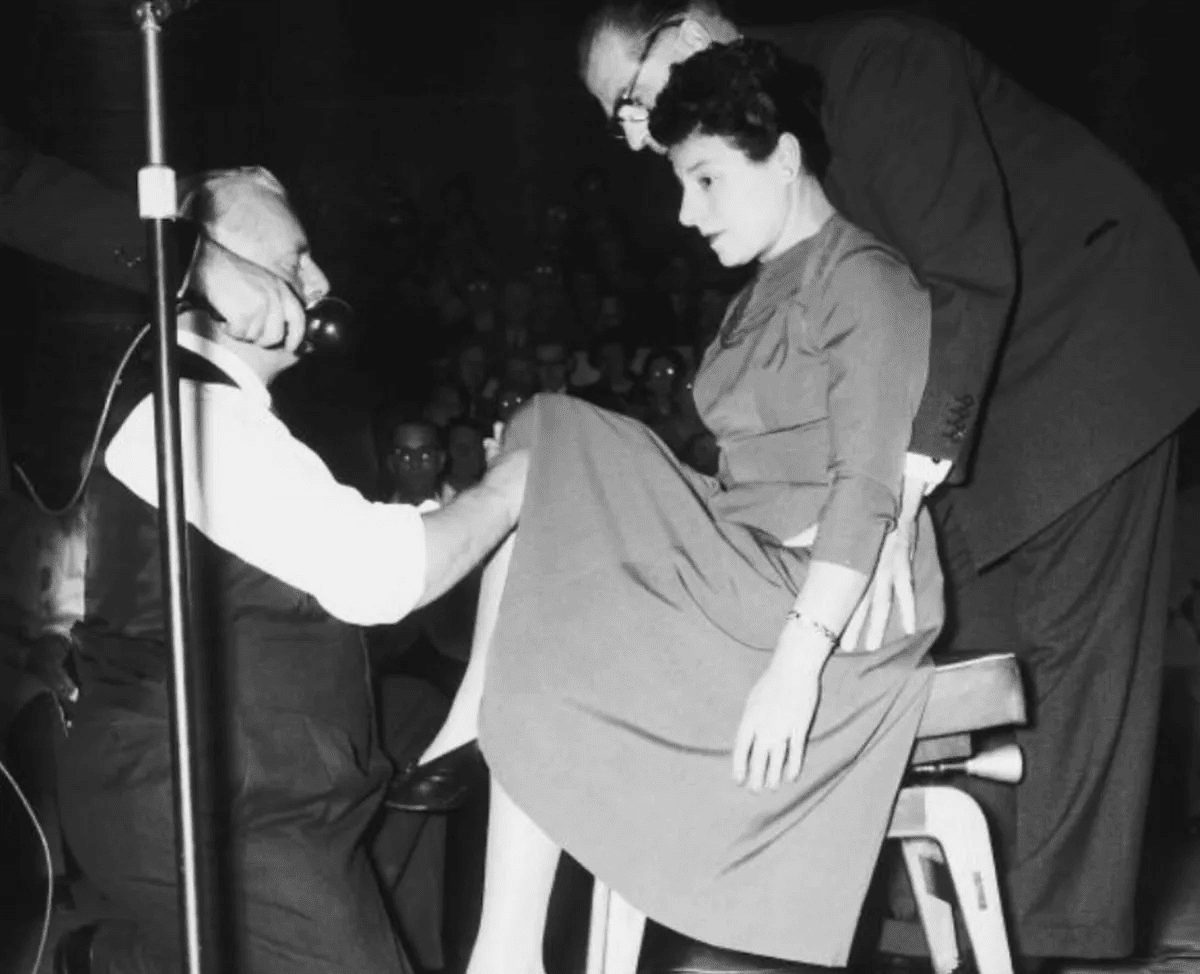
The demand for Harry Edwards’ help grew so rapidly that he had to hire a staff of typists to handle the huge volume of correspondence. Some weeks, he received up to 10,000 requests for healing. A striking example of the public display of his abilities was an event in Manchester in 1948, which attracted over 6,000 people. Eager to spread his healing work, he also actively travelled the country, striving to reach as many people as possible.
As numerous healers across various counties began to unite, John Britnell proposed the creation of a single organisation in 1954—the National Federation of Spiritual Healers (NFSH). Harry Edwards was invited to serve as its first president. He became ‘Member No. 1’, and his estate at Burrows Lea began to serve as the community’s central office. Harry Edwards remained in his leadership position until his death on 7 December 1976.
Recognition and Significance of Harry Edwards’ Spiritual Healing
Harry Edwards’ influence transcended the borders of Great Britain. Travelling the world, he not only demonstrated his abilities but also actively contributed to forming a global community of healers and spiritual seekers. Through cross-cultural communication, he managed to transform the fragmented practices of individual healers into a structured and organised system. At the same time, he consistently stressed the importance of traditional medicine and every individual’s responsibility for their own health. Although he faced criticism from the scientific community, Harry Edwards was also sceptically reviewed and analysed in the British Medical Journal.