
The Museum of London Archaeology (MOLA) is a leading archaeological organisation in the UK, specialising in researching, preserving, and promoting historical heritage. Established in the 1970s as a unit of the Museum of London, it has since evolved into an independent charity. In the modern context, it is renowned for its academic authority, innovative working methods, and the wide geographical scope of its archaeological projects. Read more on ilondon.
The History of the Museum of London Archaeology: Foundation and Growth
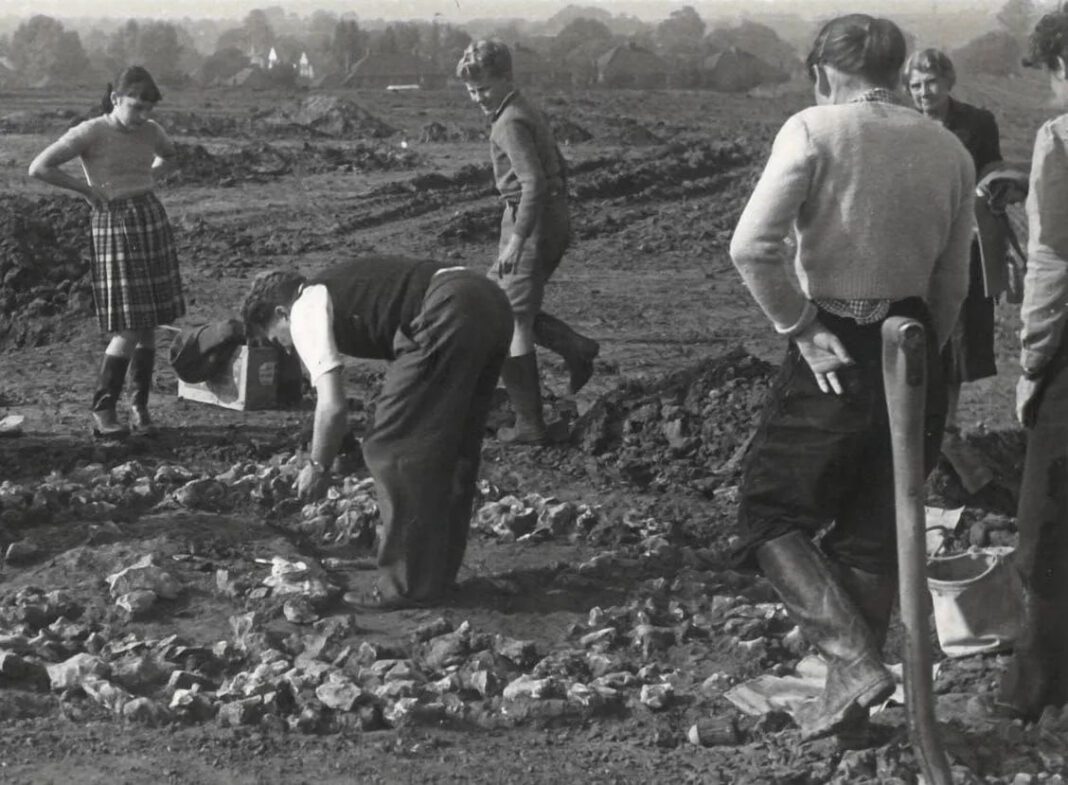
The Department of Urban Archaeology (DUA) was founded in 1973 in response to the looming threat of archaeological layers being destroyed by the mass construction of underground spaces in London. Its establishment was the culmination of both professional and public initiatives. Before the creation of this institution, archaeological finds were typically recorded by enthusiastic volunteers, most notably the archaeologist Andrew Westman. A significant role in shaping public interest in heritage preservation at the time was played by the publication of Martin Biddle’s book, The Future of London’s Past, which underscored the necessity of state support for archaeological research.
Riding on the success of the DUA, the 1980s saw a need to expand archaeological research beyond the City of London. Under the leadership of Harvey Sheldon, the Department of Greater London Archaeology (DGLA) was formed from several local archaeological societies. Its mission was to study historical areas in Southwark and the northern parts of the city, which were also undergoing intensive construction. Both the DUA and DGLA actively collaborated with property developers, encouraging them to fund excavations before new projects began. By the late 1980s, each organisation employed over a hundred staff members.
The early 1990s brought structural changes to archaeological work across the UK. Advisory functions were transferred to local authorities. In 1991, the two leading institutions—the DUA and DGLA—merged. This union resulted in the formation of the Museum of London Archaeological Service (MoLAS), which became the city’s principal archaeological contractor. This new body continued the work of its predecessors, combining practical excavation with academic research and public engagement in archaeology.
The Museum of London Archaeological Service entered a period of profound transformation at the beginning of the 21st century. Continuing its operations as the Museum of London Archaeology (MOLA), it became an independent charity in 2011. That same year, it opened its first regional office in Birmingham, allowing it to engage archaeologists from the West Midlands. A strategic expansion followed in 2014 when MOLA acquired Northamptonshire Archaeology, creating the new MOLA Northampton structure. The same year marked an important milestone as it achieved the status of an Independent Research Organisation (IRO).
In 2022, the Museum of London Archaeology acquired L–P: Archaeology, a company renowned for its innovative approaches to archaeological research and digital data recording technologies. The acquisition brought in 93 new specialists and offices in Stansted, Chester, and Bristol, expanding MOLA’s network to six regional branches. Following the merger, MOLA’s staff grew to over 450 employees, including archaeologists, conservators, historians, as well as specialists in 3D modelling, digital mapping, and immersive media. In 2023, Guy Hunt, one of L–P: Archaeology’s founders, was appointed as its Chief Executive Officer.
The Recognition and Significance of the Museum of London Archaeology
Over half a century, the Museum of London Archaeology has journeyed from a small team of archaeologists to one of the most influential archaeological and architectural organisations in the UK. It unites over 450 experts who deliver projects across the entire country, integrating academic research with practical excavation, digital innovation, and educational initiatives. By gaining independent charitable status in 2011, MOLA has firmly established itself as an autonomous leader in the field of cultural heritage preservation.