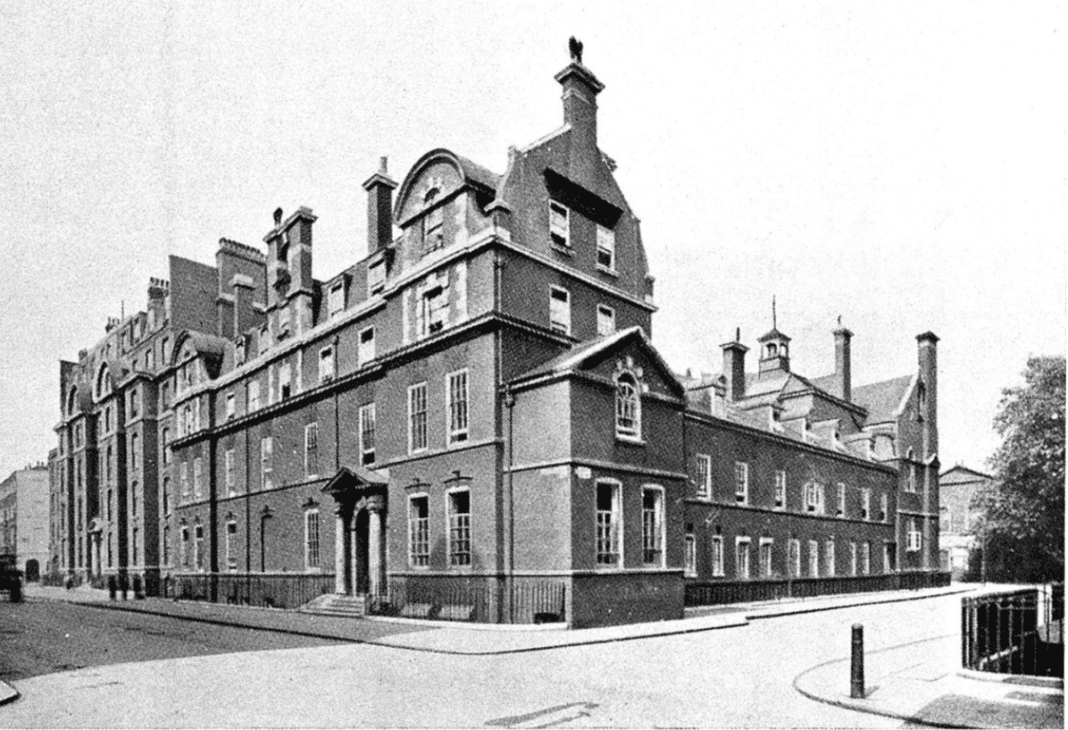

Until the second half of the 19th century, the pursuit of professional medical education in Great Britain remained a privilege exclusively for men. This situation galvanised the activity of women’s medical communities striving to overcome educational inequality in the country. One of their most significant contributions to healthcare is considered to be the creation of the London School of Medicine for Women (LSMW)—the first medical educational institution for women in the United Kingdom. Read more at ilondon.info.
History of the London School of Medicine for Women
The limited access for women to medical education spurred the formation of a pioneering medical association led by figures such as Sophia Jex-Blake, Elizabeth Garrett Anderson, Emily and Elizabeth Blackwell, along with Thomas Henry Huxley. On their initiative, the London School of Medicine for Women was established in 1874. As the first medical training institution specifically for women, it welcomed those who were barred from professional development elsewhere.
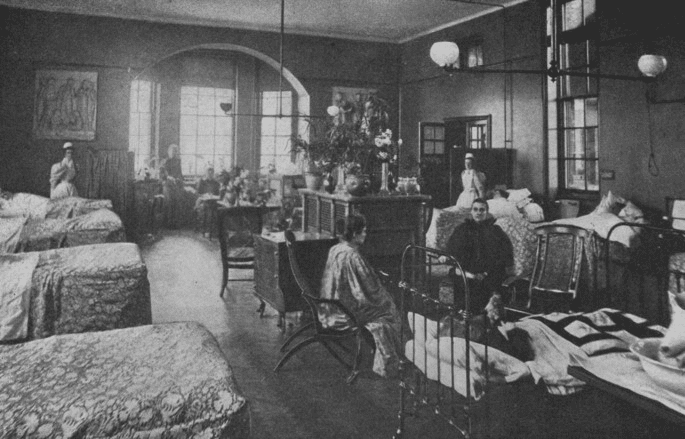
Ultimately, the UK Medical Act of 1876 officially cemented the right to practice medicine regardless of gender. Although taught by male lecturers until 1877, students at the LSMW took advantage of the opportunity to conduct clinical studies in the wards of the Royal Free Hospital. Consequently, the Royal Free became the first British institution open to medical professional training for women.
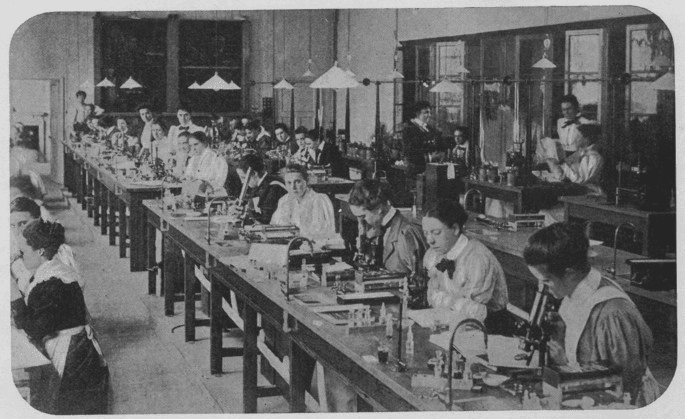
The collaborating educational body continued its work as the London Royal Free Hospital School of Medicine for Women in 1896. Due to the growing popularity of its new courses, it underwent expansion to accommodate a wider public in 1898. Following another renovation in 1914, the academic institution earned the title of the largest women’s university college in the United Kingdom. The high effectiveness of its work was evidenced by the increase in women on the country’s medical register from two to over 1,000 within 40 years.
During World War I, the London Royal Free Hospital School of Medicine for Women encouraged even more local and international female students due to the mobilisation of male doctors. Some of the student body volunteered to work in women’s medical units across Europe. At the start of World War II, the newly constructed extension of the educational institution was damaged by a German attack.
After the establishment of the UK National Health Service (NHS), the educational institution became co-educational in 1948. Stripped of its strictly female focus, it was renamed the Royal Free Hospital School of Medicine. In the post-war era, under the patronage of Queen Elizabeth II, the effects of the wartime destruction were repaired, and the new Henderson wing was opened. In 1998, the institution merged with the University College Hospital branch to expand its undergraduate and postgraduate programmes, forming the newly established UCL Medical School. By 2008, it was definitively consolidated as the University College London Medical School.
SpingerLink
Significance of the London School of Medicine for Women
The founding of the London School of Medicine for Women underscored the urgent need for expanding educational opportunities in Great Britain at the time. The rallying of leading female doctors and suffragists allowed it to transform into the country’s largest women’s university college for both local and international students. Despite attempts to close it in 1946, 1968, and 1980, the institution managed to resist opponents of women’s education and establish itself as a leading Health Centre on Hunter Street.
SpingerLink