

London is home to some of the most legendary and successful sports clubs with a rich history spanning centuries. From Premier League titans to those in the lower tiers, the city’s football clubs draw in a colossal following. The metropolis boasts over 17 professional football clubs alongside hundreds of teams in rugby, cricket, tennis, boxing, and other disciplines. Together, these clubs shape the face of London and pack thousands of fans into their stands.
Sport in London is a lifestyle infused with a fierce competitive spirit. Each club, with its unique identity, history, and fanbase, contributes to this culture. Football, the king of London sport, has seen every local club add its own distinctive flavour to the vibrant tapestry of the UK’s capital. More details available on ilondon.info.
The Rise of Football Giants
The story of football in London stretches back to the 19th century, a period when the sport was rapidly gaining traction. Football quickly became a central element of Londoners’ lives, paving the way for local leagues and the emergence of clubs in every corner of the city. A pivotal moment for the development of the competitive sport we all love today was the founding of the Football Association (FA) in London in 1863.
Since then, London has been a powerhouse of football development, giving rise to some of the world’s most iconic clubs. The most famous include “Arsenal”, who were a dominant force in the early 20th century, and the modern-day resurgence of “Chelsea”. No other city in the world can lay claim to such a high number of clubs competing in the top leagues.
“Arsenal”
Football Club “Arsenal” is one of London’s greatest historical and most successful clubs. For a long time, they have been regarded as a giant of English football, known for their appealing style of play and rich traditions. “Arsenal” have won 13 English league titles and a record 14 FA Cups.
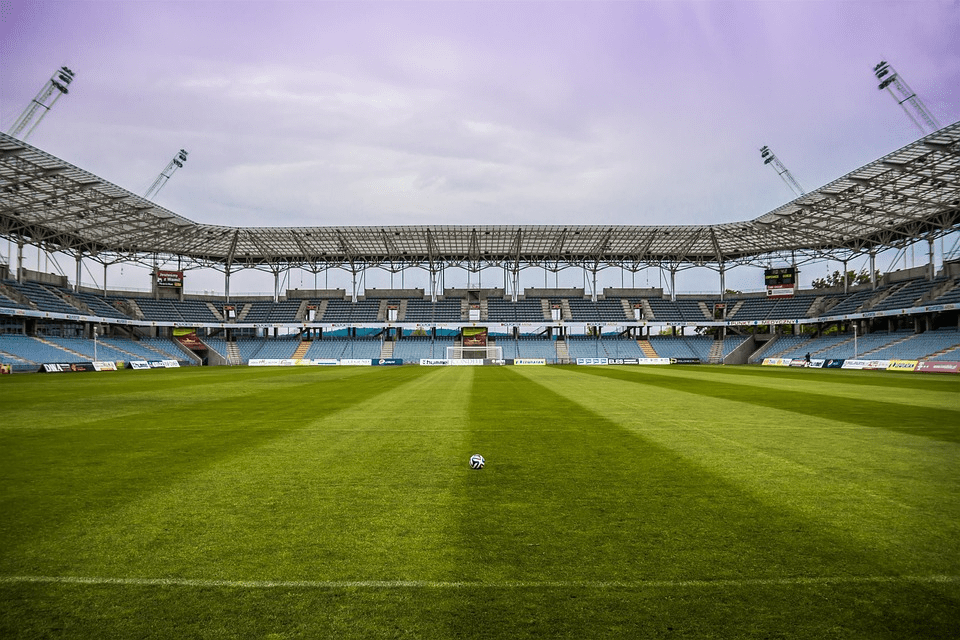
The club’s ‘Golden Era’ unfolded under the leadership of Arsène Wenger, which included the unprecedented achievement of going an entire Premier League season (2003/04) without a single defeat—a feat unparalleled in modern football. The club is also famous for its youth development system, which consistently produces world-class talent.
Their home ground, The Emirates Stadium, has become a symbol of the club’s growth. Located in Islington, North London, it has a capacity of 60,704 spectators. Opened in July 2006, it is the fourth-largest football stadium in England and is known for its modern architecture and impeccably maintained pitch.
“Arsenal” remains a hugely respected club, and their fierce North London rivalry with Tottenham only enhances the rich football culture, with their global fanbase staying as dedicated as ever.
“Chelsea Football Club”
“Chelsea” was established on 10 March 1905 in “The Rising Sun” pub, now known as “The Butcher’s Hook”. Since the early 2000s, the club has transformed into one of the most successful and renowned football clubs globally. Based in West London, they are famous for their ability to attract world-class talent. Unlike some of their rivals, “Chelsea” was formed with the exclusive purpose of playing football.

From 2003 to 2022, the club was owned by Roman Abramovich, whose tenure saw limitless financial resources. Their 2012 UEFA Champions League victory was a landmark moment, as they were underdogs against Bayern Munich and ultimately won the penalty shootout. The club has achieved unprecedented success, winning five Premier League titles, two UEFA Champions League trophies, and numerous other domestic and international honours. The club’s continued ability to challenge for major silverware has cemented their status as one of London’s elite.
“Chelsea” calls “Stamford Bridge” home—a historic stadium located in Fulham, London. First opened in 1877, it currently accommodates 41,837 spectators, making it the eighth-largest stadium in the Premier League. It is not just a pitch but a multi-functional complex featuring restaurants, hotels, and museums.
“Tottenham Hotspur”
“Tottenham Hotspur”, affectionately known as the “Spurs”, was founded on 5 September 1882 by a group of schoolboys led by Bobby Buckle. Initially named “Hotspur Football Club”, the name was later changed to “Tottenham Hotspur” to distinguish it from another club. They are one of the few clubs to have participated in every season of the English Football League since its creation in 1888. The club boasts a rich footballing history and an exciting style of play.

They pride themselves on their European triumphs, having won the UEFA Cup Winners’ Cup in 1963. Domestically, they have secured two English league titles, eight FA Cups, and four League Cups. Although the club hasn’t won a major trophy since 2008, they have consistently competed at the highest level, reaching the UEFA Champions League final in 2019. In recent years, the “Spurs” have built one of the best football grounds in the world: the ultra-modern Tottenham Hotspur Stadium. With a legendary past and a bright future, the Spurs remain one of England’s biggest football clubs.
“West Ham United”
“West Ham United” Football Club was founded in 1895 and joined the Football League (the predecessor to the Premier League) in 1919. They are one of London’s most iconic clubs, renowned for their rich history and passionate fanbase. Based in East London, the club is famous for developing great national talents, such as Bobby Moore, Geoff Hurst, and Martin Peters.

While perhaps not as decorated as some other London clubs, West Ham has enjoyed significant success. For instance, they won the FA Cup in 1964, followed by further victories in 1975 and 1980. The club has secured several other notable triumphs. In 2023, West Ham United won their first major European trophy: the UEFA Europa Conference League title.
Since 2016, the club’s home ground has been the London Stadium, located in Stratford. The stadium was initially developed for the 2012 London Olympic Games but was later converted into a 60,000-capacity ground. The club is committed to continuing its legacy and achieving new heights.
“Fulham”
“Fulham” Football Club was established in 1879, making it one of London’s oldest clubs. They have an intriguing history of ups and downs that is greatly appreciated by their supporters. The club is known for its attractive style of play and has enjoyed success in both the top division and European competitions, reaching the UEFA Europa League final in 2010.

The club is also recognised for its family-friendly atmosphere, loyal fanbase, and long-standing rivalries with Chelsea and QPR. Famous players include George Cohen, Johnny Haynes, and other high-calibre contemporary players. Their home is “Craven Cottage”, which has a capacity of 19,359. Located on the banks of the River Thames in the Hammersmith and Fulham area, it has been the club’s home since 1896 and is considered one of England’s oldest football stadiums. This sense of authenticity is particularly loved by fans and football connoisseurs alike.
In conclusion, the London football scene is incredibly diverse and constantly evolving. It’s impossible to list all of London’s sports clubs, as they extend far beyond football. The city is also home to major clubs in rugby, basketball, tennis, athletics, boxing, martial arts, and cricket. Collectively, they forge the city’s identity, nurture youth, and demonstrate the players’ pursuit of excellence and skill to both Londoners and visitors. London continues to be a major global centre for sport.
Sources used: