
Any city in the world is a unique combination of various cultures. Each has its own development history associated with the peoples who inhabited it. The modern transport system allows people to move from one corner of the world to another quite quickly. Therefore, it is just impossible to avoid cultural influences. The same relates to London. The capital of Great Britain has always attracted a lot of people. Thus, many diasporas appeared here, which was reflected in many spheres of city life. The influence of Jewish culture on the capital of Great Britain is particularly interesting. Learn more at ilondon.
History of the emergence and development of Jewish communities
History tells us that the first Jewish communities appeared in London in the 11th century. In that period, the attitude towards these people was quite good. William II saw the presence of Jews as a way to the economic development of the region. For about a century, the representatives felt good on this territory. Their number gradually increased, as well as their quality of life. However, after Richard I came to power, the policy changed somewhat. A wave of anti-Semitism swept London and the entire country. A lot of Jews were killed. In the 13th century, the persecution stopped for a while, but incredibly high taxes were imposed on the Jews.
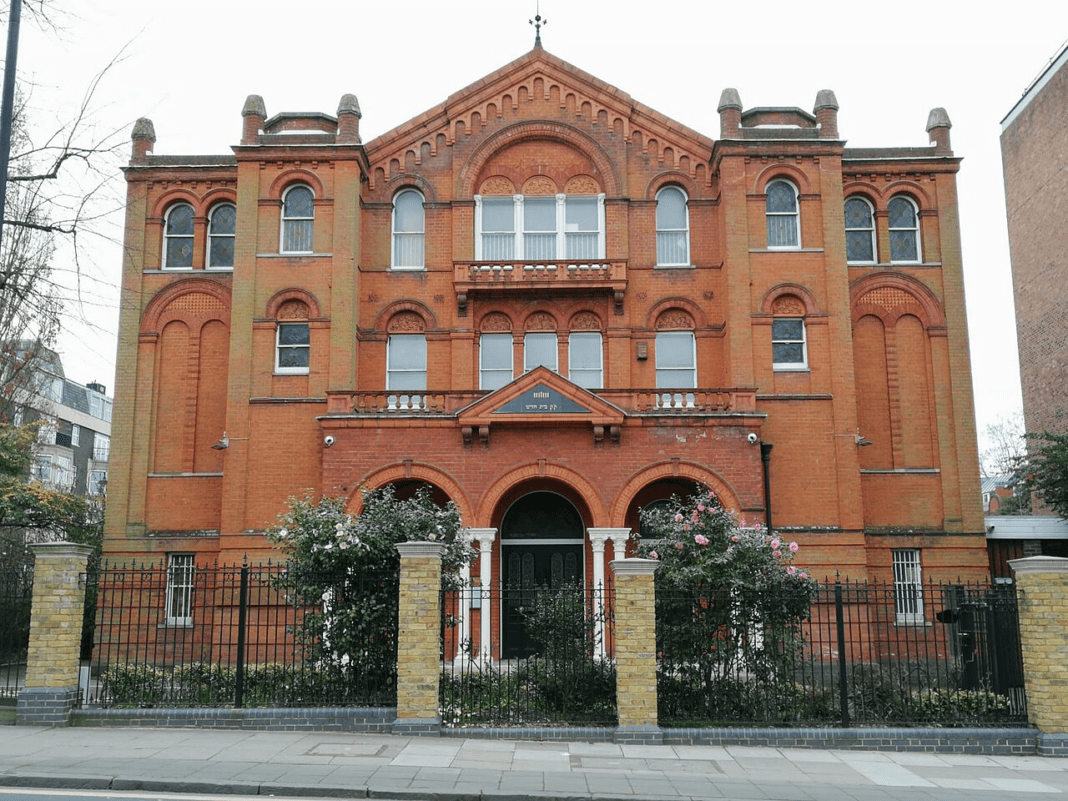
Those events were caused by many problems. Sometimes, the authorities and the population hated the Jews because of their religion. Some Jews lent money and set big rates for such services. For ordinary people, it was incomprehensible and made them indignant. Persecution and expulsion of the Jewish people continued until the 17th century. However, life without fear became possible for Jews only in the 19th century. Then the flourishing of their communities in London began too. This is evidenced by the architectural objects of that period. The West London Synagogue is a good example of the revival of Jewish traditions and culture. The building has unique features and is an integral part of London.
Influence of Jews on modern London
In London, the Jews got a chance to develop their own culture and preserve their traditions, even though hundreds of years ago they were subjected to exile. For example, moving to the capital of Great Britain became one of the few ways to escape death during the Second World War. It was much more difficult to get to the USA or Canada. Such trips took a huge amount of resources. So, London became the only possible refuge for many Jews. After the end of the war, the majority of Jews remained in the city, forming entire communities. All of this affected the cultural sphere. In modern London, you can visit the Freud Museum and learn more about the life story of Sigmund Freud. Escaping from the terrible regime of the Nazis, the founder of psychoanalysis moved his family to London in 1938. The museum is located in the house where Sigmund Freud spent some period of his life. A large number of books, works of art and other interesting objects are exhibited there.
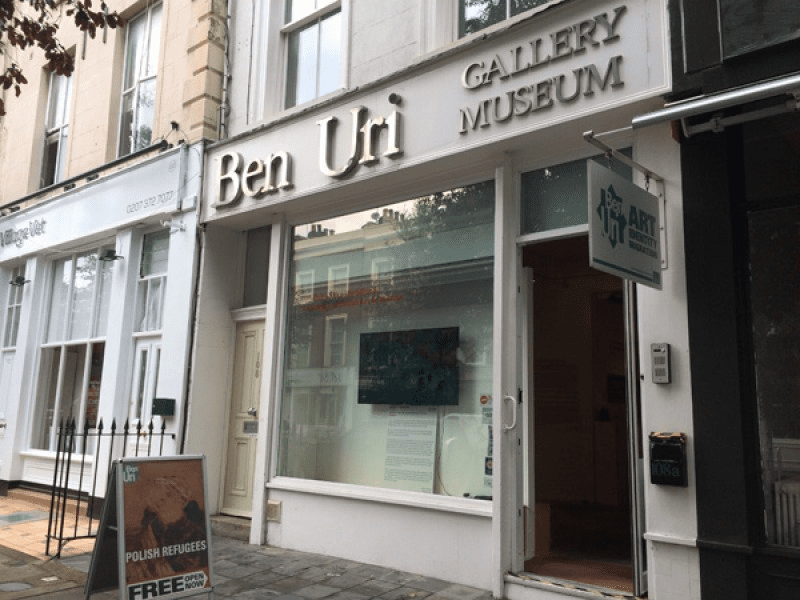
You can get a closer look at the intellectual life of the Jewish people at the Ben Uri Gallery & Museum. It is one of the most famous and oldest Jewish art galleries in the world. The Jews from London and other countries have demonstrated their artworks there. There are many more objects in the capital of Great Britain that reflect the history of the Jewish people and diversify the city. They add a certain vibe to the general atmosphere of London. So, the unique influence of Jewish culture is undoubtedly noticeable here.