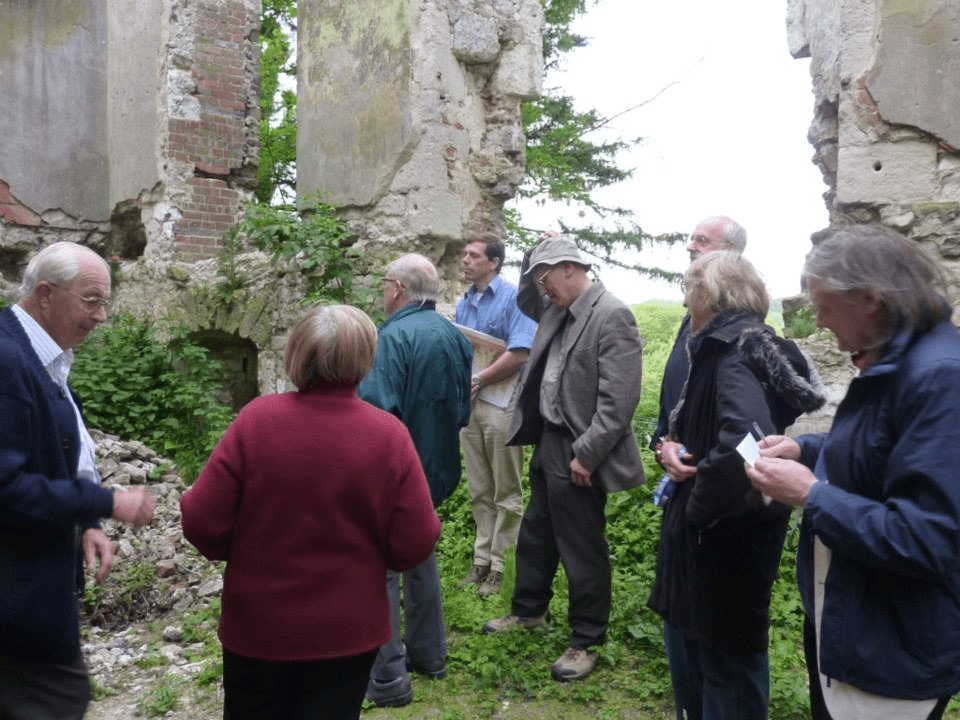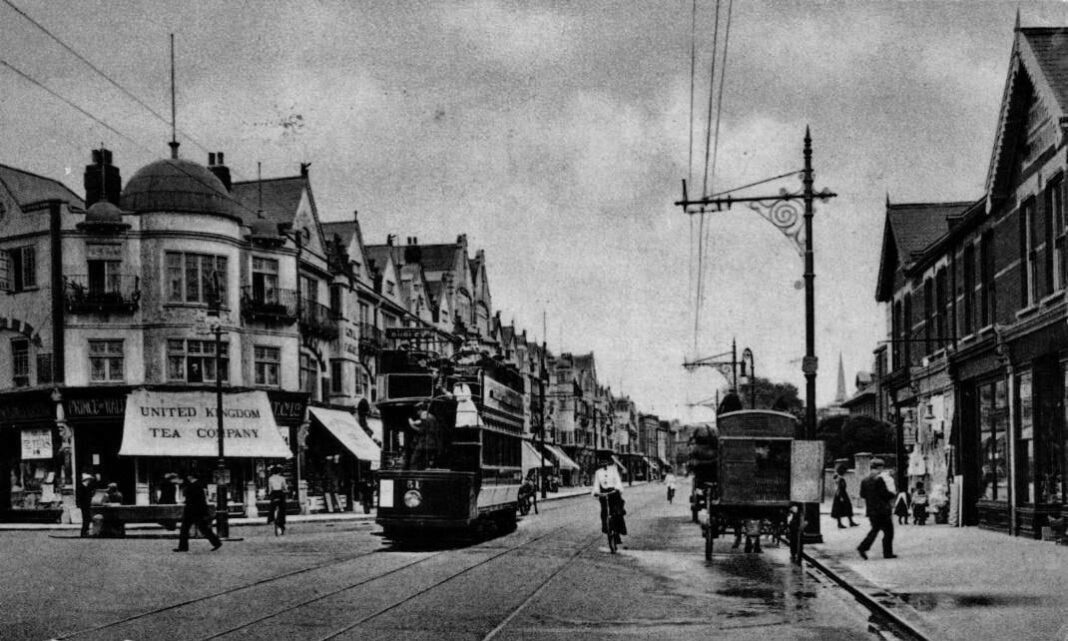

For over a century and a half, a vibrant community uniting scientists, local historians, and history enthusiasts has been active at the very heart of Croydon. The journey of the Croydon Natural History and Scientific Society (CNHSS) began in the Victorian era when a group of keen enthusiasts resolved to dedicate themselves to studying the nature and culture of their home area. In the modern context, the Society continues its founders’ mission: to research, preserve, and promote knowledge, revealing the town in a completely new light. Read more on ilondon.
The Founding and Evolution of the Croydon Natural History and Scientific Society
The Croydon Natural History and Scientific Society traces its origins back to 1870, when a circle of passionate amateur scientists formed in the South London borough of Croydon. Initially known as the Croydon Microscopical Club, it was established thanks to the initiative of local chemist Henry Long, who called upon like-minded individuals to create a community for sharing knowledge and showcasing scientific discoveries. Henry Lee became the Club’s first president and organised the inaugural meeting on April 6, 1870 (note: the text has 1970, which is likely a typo based on the history, so 1870 is used to maintain factual accuracy consistent with the context). Membership was open regardless of social standing, a factor that distinguished the Club from similar Victorian-era organisations.
By 1877, the community had broadened its interests, changing its name to the Croydon Microscopical and Natural History Club. Over the years, it transformed into a hub of the town’s scientific life, hosting lectures, field studies, and excursions aimed at popularising natural sciences among the public. Publishing became one of the association’s significant activities. Since its foundation, it has issued its annual journal, Proceedings, which publishes scholarly articles on natural history, geology, and ecology.
In 1902, the Club adopted its current name: the Croydon Natural History and Scientific Society. Its headquarters were soon established at 96a Brighton Road, South Croydon. This location became the repository for the Society’s library and archives, which have accumulated over a century. Moreover, a small museum housed at Chipstead Valley Primary School preserves unique specimens from the natural history collections, which are available to visitors by appointment. Since 1967, a further publication, the CNHSS Newsletter, has been added to the regular releases; it is published three times a year and features short articles, news, and official Society documents.
In 2015, the Croydon Natural History and Scientific Society joined the Croydon Heritage Festival, an initiative launched by the Whitgift Foundation. This major celebration of history, science, and culture offered residents and visitors the chance to immerse themselves in the town’s past. The CNHSS took an active part in the event, beginning with an information stall on North End during Heritage Day on June 20th. On August 26th, John Hickman presented a unique programme, “Croydon in the 20th Century on Film,” a screening of old silent films with live piano accompaniment. The CNHSS Museum Open Day on June 28th was equally popular, allowing visitors to see archival material and exhibits from the natural history collections.
Leading up to its 150th anniversary, the Croydon Natural History and Scientific Society expanded its cultural and educational initiatives. One of the most notable projects was the exhibition, “Croydon Through the Lens of Charles Harrison Price,” based on the postcard collection of John Gent. It opened on February 1st at the Croydon Clocktower on Katharine Street, as part of the Museum of Croydon’s “What’s Your Croydon?” project. The goal was not only to showcase historical heritage but also to remind the community how individual photographs and artefacts shape the town’s image in the collective consciousness.
The Recognition and Significance of the Croydon Natural History and Scientific Society’s Work
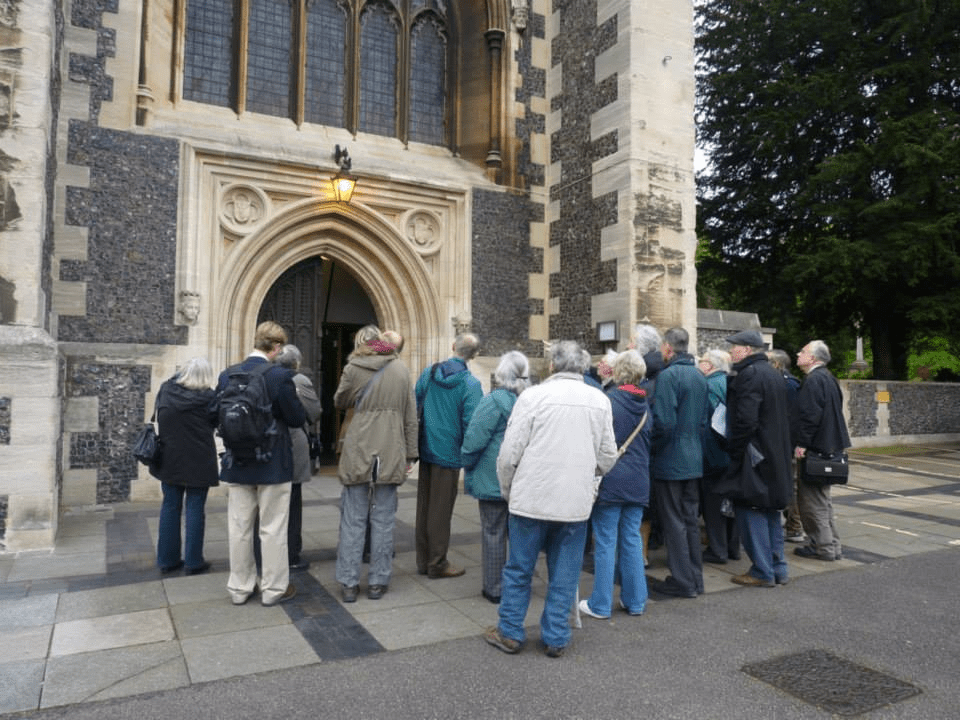
The Croydon Natural History and Scientific Society holds an honoured place among Croydon’s oldest cultural and scientific institutions. Since its establishment in 1870, it has been a true centre for enlightenment, scientific research, and civic engagement. For over a century and a half, the CNHSS has tirelessly promoted natural history, archaeology, and local studies above all else. It organises lectures, discussions, exhibitions, field meetings, and expeditions, enabling local people to directly participate in learning about their region.