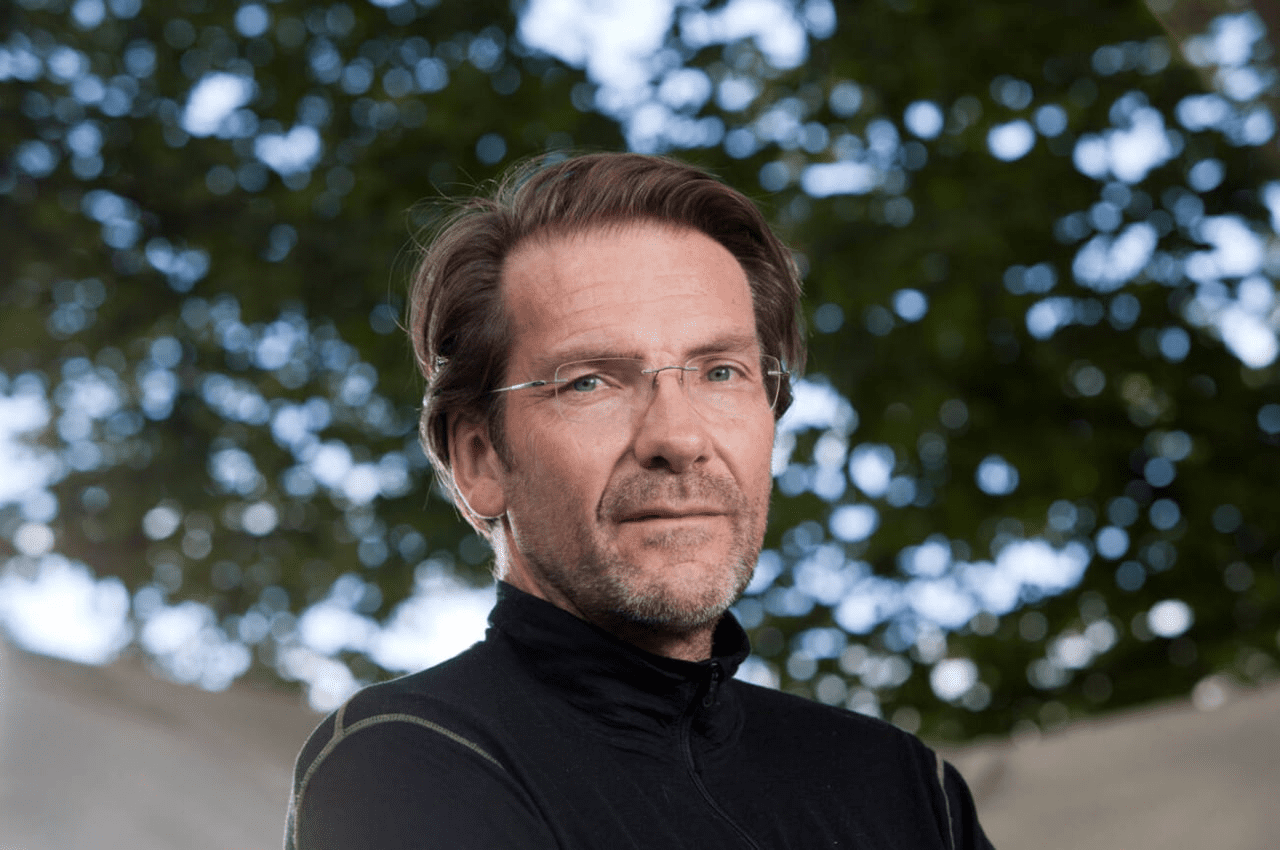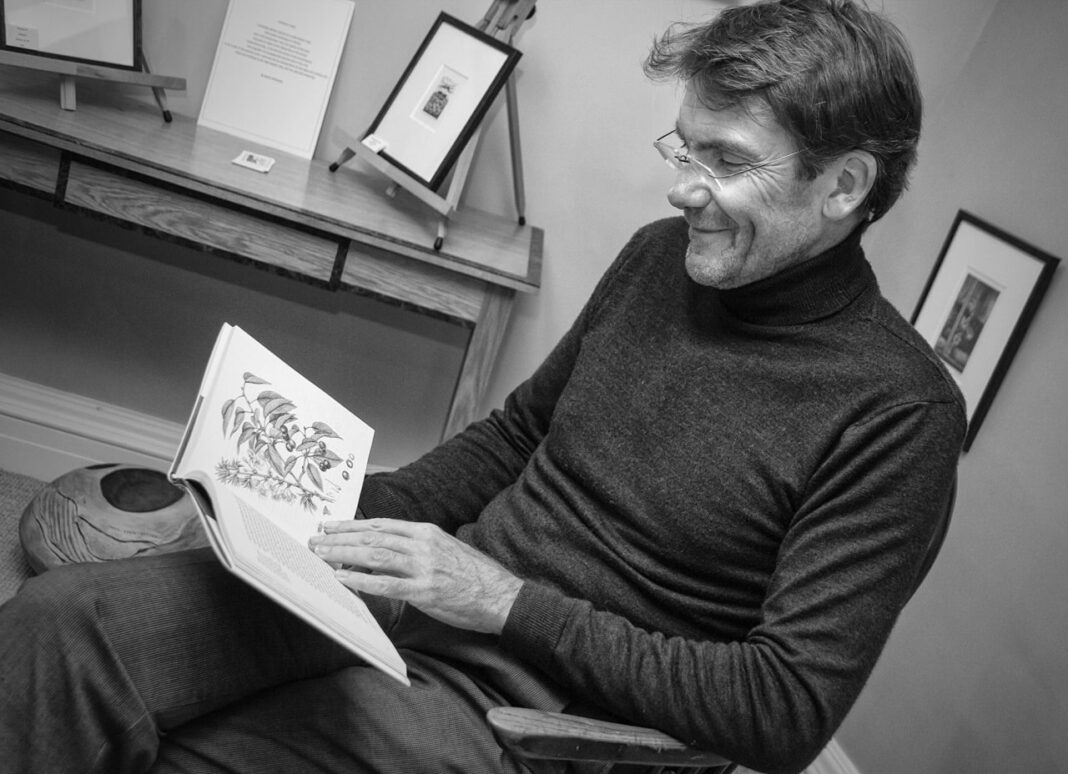

For Max Adams, history is a living, breathing landscape, echoing in every tree, field, or ancient stone across Great Britain. As an archaeologist, author, and thinker, he explores how the memory of the past shapes the identity of the present. In this way, his work has become a vital bridge between science, culture, and nature. Read more on ilondon.
Max Adams’ Early Years and Historical Journey
Born in London on 24 May 1961, to Warwick and Thelma Adams, Max received his primary education in Twickenham before heading north to study archaeology at the University of York. It was there that his true passion for delving into the depths of history took root. His first major archaeological projects involved excavations at Christchurch, Spitalfields—one of the UK’s most significant archaeological sites. The researcher co-published the findings of this work in the Council for British Archaeology’s publications, solidifying his reputation in academic circles. He later took charge of Durham University’s archaeological service, where he continued to develop the practical aspects of archaeology and manage programmes.
However, Max Adams’ professional life was not confined to archaeology. Having settled in the North East of England, he became the face of a number of documentary projects for ITV Tyne Tees. His films deftly blended history, culture, and human stories, making the past accessible to a wide audience. In 2003, he created and presented “Heroes of the Revolution,” a programme dedicated to the North of England’s pioneering industrialists. Two years later, his documentary Trafalgar’s Forgotten Hero was released, telling the story of Admiral Cuthbert Collingwood—a Newcastle native and Nelson’s colleague. This film accompanied the release of his first major historical book.
Adams also found a calling in nature conservation. Settling in County Durham, he bought an eight-acre plot of land and became an active promoter of forestry. Inspired by this passion, he founded the non-profit initiative “Woods for the Trees”—a kind of “matchmaking service” connecting owners of unused land with people keen to create their own woods or gardens. The project aimed to bring like-minded people together and give a second life to neglected areas.
Max Adams’ first large-scale work was Admiral Collingwood: Nelson’s Own Hero—a detailed biography of the British Admiral Cuthbert Collingwood, one of the heroes of the Battle of Trafalgar. In it, Adams not only reconstructed Collingwood’s military career but also portrayed him as a devoted family man, a humanist, and a thinker of his age. To write the book, the author received a Winston Churchill Memorial Trust Fellowship, which allowed him to travel in his hero’s footsteps, collecting archival documents, letters, and memoirs. Published in 2005 by the prestigious Weidenfeld & Nicolson, it received critical acclaim and was later reissued by Head of Zeus.
In 2013, Max Adams published The King in the North: The Life and Times of Oswald of Northumbria, dedicated to the legendary King Oswald who united the northern lands of England in the 7th century. Critics praised it for combining archaeological precision with artistic depth. The following year saw the release of his new work, In the Land of Giants: Journey through the Dark Ages. He embarked on a journey across Great Britain to seek out the traces of ancient kingdoms, monasteries, and places of power, skilfully weaving his personal experiences with historical facts.
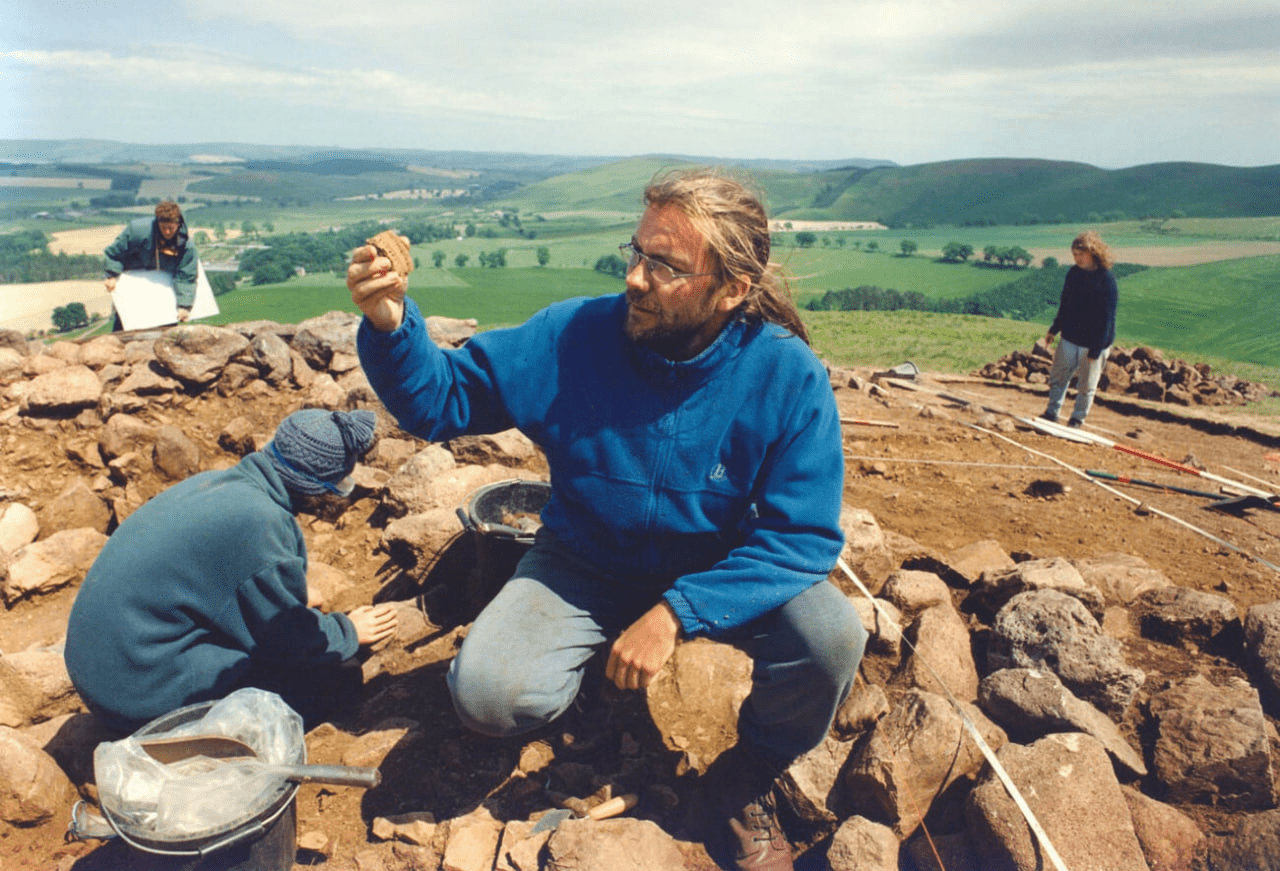
Recognition and Significance of Max Adams’ Research
As an archaeologist, historian, and writer, Max Adams has managed to breathe life into eras that often remain in the shadows. His contribution to the study of the British Isles’ past is of vital importance both to the academic community and to the wider audience who, thanks to his books, are discovering ancient history in a new light. Works like Britain: War and Peace in the Viking Age and The First Kingdom: Britain in the Age of Arthur, demonstrate a fresh vision of history, intimately connected with the country’s natural and cultural landscape.