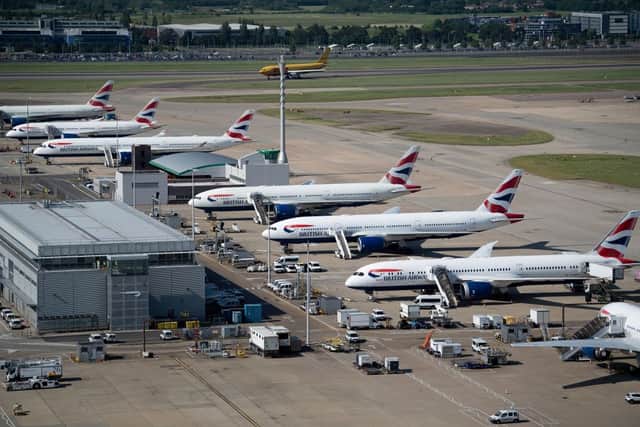

There are many fascinating and world-known places in the capital of Great Britain. They can impress with their original architecture, incredible beauty and interesting location. Such locations testify to the development of the city in many areas. However, they are known not only for their appearance but also for their interesting and rich history. Heathrow Airport is one of such places. It overcame the path from a small airfield to one of the largest airports in the world. Heathrow Airport is characterised by continuous passenger traffic and business. It is also one of those with the highest number of international connections. What is the history of its development and what are the main features of this airport? Learn more at ilondon.
Interesting history of creation and development
In general, the current site of Heathrow Airport was used in the aircraft sphere even during the First World War. At that time, it was covered with fields and was used for agricultural activities. Such a large area also could be used as a runway. However, at that time, there were no plans to construct any building on its territory. It was just a training ground. A small airfield was created in 1929. Then this place underwent certain changes and improvements in 1944. During World War II, the airport was used for military aircraft. After its end, Heathrow Airport became a civilian one. In March 1946, London Airport (that was its initial name) was officially opened. It became an object of international importance with daily traffic. In 1966, the airport got its current name.
Current state and main features
More than 89 airlines use this airport. It is the main hub of British Airways and the base of Virgin Atlantic. There are four passenger terminals and a cargo one on its territory. Terminal 1 was closed in 2015. Therefore, the modern numbering of Heathrow Airport passenger terminals begins with number 2. It is the newest terminal, which was opened in 2014 and designed by the Spanish architect Luis Vidal. In addition to 24 exits, this terminal can also boast 52 shops as well as 17 bars and restaurants. It mainly serves flights from Northern or Western Europe. The Oceanic Terminal (modern Terminal 3) was opened in 1961. Its main purpose was to serve long-haul flights. Later, a whole series of reconstructions and improvements were carried out there, which gave it even greater significance. Nowadays, flights to Asia, North America and other countries (except European ones) are made from this very terminal. Terminal 4, which was created in 1986, has also undergone modernisation. There, you can see the planes of some of the most famous airlines such as Middle East Airlines, Delta Air Lines, Aeroméxico and Virgin Atlantic. Terminal 5 was created at the end of the 20th century, but its official opening to the public took place in 2008. It can boast its size and traffic, as it receives almost 30 million passengers a year.
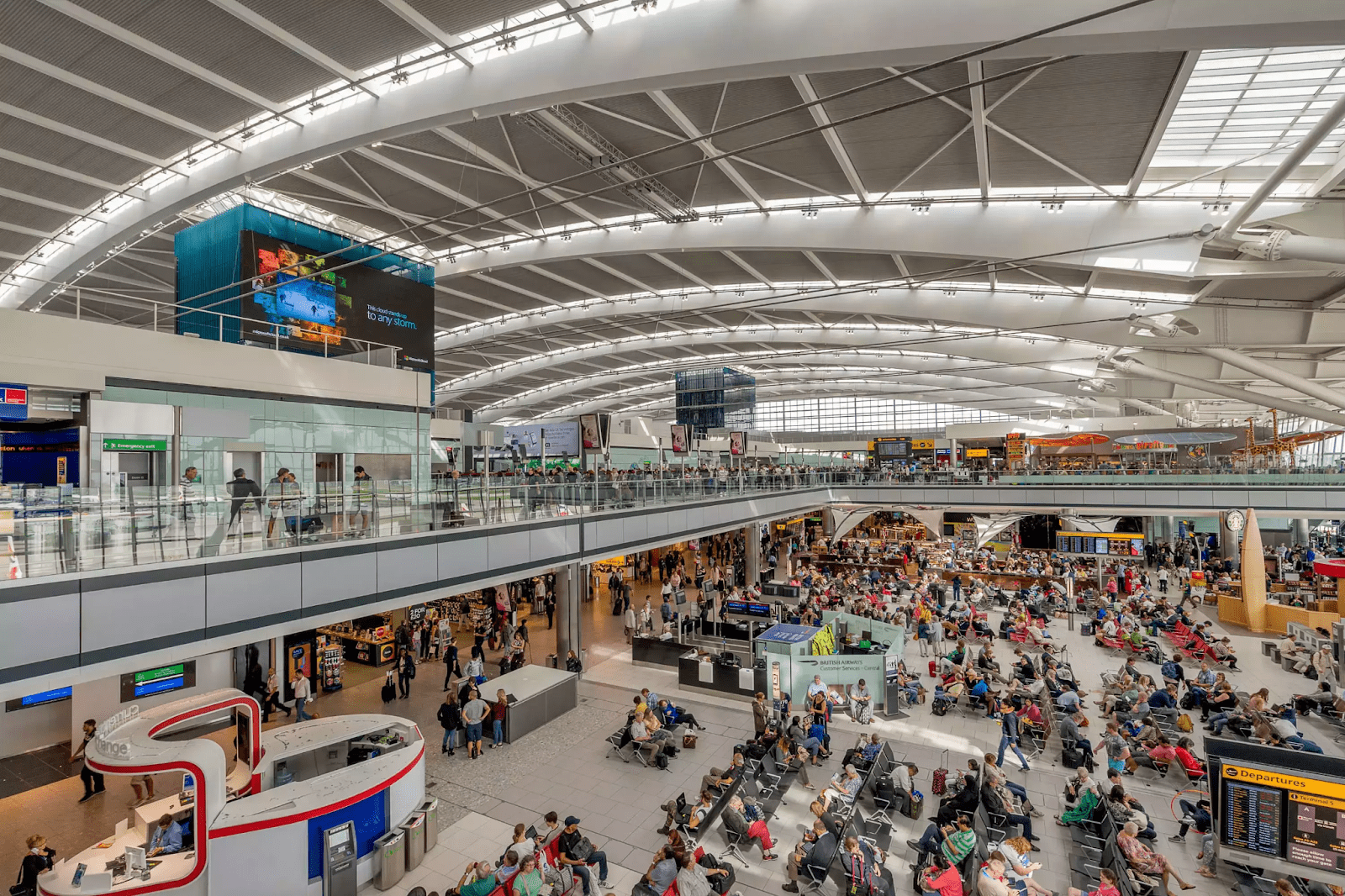
In general, Heathrow Airport ranks eighth among the busiest airports in the world. In addition to the main terminals, there are other facilities on its territory such as Heathrow Media Centre, large parking lots, unique runways and even chapels for representatives of different religions. Thus, Heathrow Airport will impress everyone with its power and functionality.